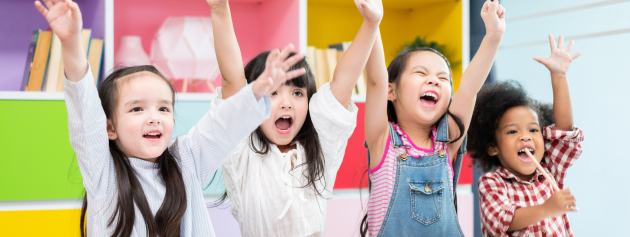
In today’s increasingly globalized world, the interplay of diverse cultures in contemporary education has become a focal point of pedagogical discourse. As classrooms become microcosms of broader societal dynamics, educators and policymakers are challenged to navigate the complexities that arise from cultural diversity among students. This intersection of various cultural backgrounds presents both opportunities and obstacles in fostering an inclusive learning environment. The infusion of multicultural perspectives not only enriches the educational experience but also prepares students to thrive in a multicultural society. By examining the ways in which diverse cultural influences shape curricula, teaching methodologies, and student interactions, this article aims to illuminate the critical role that cultural diversity plays in modern education. It will explore how educators can leverage this diversity to promote equity, enhance student engagement, and cultivate global citizenship. Additionally, the article will address the potential pitfalls of cultural misunderstandings and the importance of cultural competence among educators. Ultimately, understanding the interplay of diverse cultures in educational settings is essential for equipping future generations with the skills and awareness necessary to navigate an interconnected world.
- Cultural Diversity Shapes Educational Practices Today
The integration of cultural diversity within educational frameworks has significantly influenced pedagogical approaches and curricular design. Educators now recognize the importance of incorporating multiple cultural perspectives to create more inclusive learning environments that resonate with a broader student demographic. By embracing diverse cultural narratives, educators can foster a deeper understanding of global interconnectedness and promote critical thinking skills among students. This shift not only enhances engagement but also encourages students to appreciate varying viewpoints, thus preparing them for a multicultural society.
Moreover, the incorporation of culturally relevant teaching strategies enables educators to address the unique needs of students from different backgrounds. Such strategies emphasize the importance of students’ cultural identities, allowing them to see their experiences reflected in the curriculum. In doing so, the educational system becomes a tool for empowerment, promoting equity and social justice. This approach not only aids in the retention and academic success of marginalized students but also cultivates a more empathetic and culturally aware student body capable of navigating an increasingly diverse world.
Teacher training programs that emphasize culturally relevant pedagogy equip educators with the skills to recognize and address the unique needs of diverse learners.
- Intercultural Competence Enhances Student Learning Outcomes
Intercultural competence plays a pivotal role in enhancing student learning outcomes by equipping individuals with the skills necessary to navigate and thrive in diverse environments. When students engage with a curriculum that promotes intercultural understanding, they develop essential skills such as empathy, adaptability, and critical reflection. These competencies not only enrich their academic experiences but also prepare them for future interactions in an increasingly globalized workforce. Furthermore, research has shown that students who possess high levels of intercultural competence tend to demonstrate improved collaboration skills, problem-solving abilities, and overall academic performance.
The cultivation of intercultural competence also fosters a sense of belonging and community among students from varied backgrounds. By facilitating open dialogues and encouraging mutual respect, educational institutions create an atmosphere where students feel valued and included. This sense of belonging is crucial for academic success, as it motivates students to participate actively in their learning processes. Consequently, the integration of intercultural competence within educational practices not only enriches individual learning experiences but also contributes to the development of a more harmonious and cohesive educational environment that reflects the complexities of a multicultural society.
- Collaborative Learning Fosters Mutual Cultural Understanding
Collaborative learning serves as a vital mechanism for fostering mutual cultural understanding among students from diverse backgrounds. Through group projects, discussions, and collaborative activities, individuals are encouraged to share their unique perspectives and experiences, leading to a richer educational environment. This form of learning not only facilitates the exchange of ideas but also helps diminish stereotypes and misconceptions that students may hold about one another. As they work together towards common goals, students develop a deeper appreciation for cultural differences and learn to value the contributions of their peers, thereby enhancing their social cohesion and reinforcing a sense of community.
Moreover, the dynamics of collaborative learning promote active engagement and critical thinking, as students are often required to negotiate, compromise, and resolve conflicts in a multicultural context. Such interactions enable them to navigate complex social landscapes, cultivating a deeper understanding of cultural nuances and enhancing their ability to communicate effectively across differences. Consequently, this experiential learning process not only enriches academic outcomes but also equips students with the interpersonal skills necessary to thrive in an increasingly interconnected world, ultimately contributing to a more inclusive and harmonious society.

Check Out Our Podcast!
- Curriculum Development Embraces Multicultural Perspectives Effectively
Effective curriculum development that incorporates multicultural perspectives fosters an inclusive educational framework that reflects the diversity of society. By integrating diverse cultural narratives, historical contexts, and pedagogical approaches, the curriculum not only broadens students’ understanding of the world but also promotes critical thinking and empathy. This holistic approach encourages educators to challenge Eurocentric narratives and to present knowledge from a variety of angles, thereby enriching the learning experience and allowing students to see themselves and their cultures represented in the material they study.
Incorporating multicultural perspectives into curriculum design necessitates collaboration among educators, community members, and cultural experts to ensure authenticity and relevance. This collaboration leads to the development of learning materials that resonate with students from various backgrounds, ultimately fostering a sense of belonging and engagement within the classroom. Additionally, such an inclusive curriculum equips students with the skills needed to thrive in a multicultural society, preparing them to interact thoughtfully and respectfully in an increasingly interconnected world. Thus, curriculum development that embraces these perspectives is essential for cultivating informed, culturally competent individuals.
- Teacher Training Incorporates Culturally Relevant Pedagogy
Teacher training programs that emphasize culturally relevant pedagogy equip educators with the skills to recognize and address the unique needs of diverse learners. By focusing on the cultural contexts of their students, these programs encourage teachers to create inclusive classroom environments where all voices are valued and respected. Furthermore, culturally relevant pedagogy promotes the adoption of teaching strategies that not only acknowledge but also celebrate students’ cultural identities, facilitating a more equitable educational landscape.
The integration of culturally relevant pedagogy into teacher training underscores the importance of reflexivity among educators. By reflecting on their own cultural biases and learning about the histories and experiences of their students, teachers can develop more effective instructional strategies that resonate with the diverse student population. This approach empowers teachers to forge meaningful connections with their students, fostering a supportive learning atmosphere that encourages academic achievement and personal growth. Ultimately, such training transforms the classroom into a space of mutual respect and understanding, where both teachers and students can engage in a collaborative process of learning that honors cultural diversity.
In conclusion, the examination of diverse cultures within contemporary education highlights the crucial role that multiculturalism plays in fostering inclusive learning environments. By integrating varied cultural perspectives, educators not only enrich the educational experience but also equip students with the critical thinking skills necessary to navigate an increasingly interconnected world. This interplay of cultures promotes mutual respect and understanding among students, ultimately preparing them to thrive in a society marked by diversity. As educational institutions continue to embrace this multifaceted approach, they contribute to the development of a more equitable and harmonious global community, underscoring the importance of cultural awareness and appreciation in shaping future generations.