In an increasingly interconnected world, the appreciation of diverse cultures and global traditions has become more accessible than ever. Celebrating these traditions at home not only enriches personal understanding and respect for various heritages but also fosters a sense of community and belonging. This guide aims to provide readers with a detailed, step-by-step approach to incorporating global customs into their own households, allowing them to experience the joy and vibrancy of different cultures without the need for extensive travel. From festive food preparations and traditional attire to music, dance, and storytelling, the article will explore various ways to engage with these rich cultural practices. It will offer practical tips and resources, ensuring that anyone can participate in and celebrate global traditions, regardless of their prior knowledge or experience. By embracing the customs of others, individuals can create a more inclusive home environment that highlights the beauty of diversity. This guide serves as an invitation for readers to embark on a journey of cultural exploration, providing them with the tools to celebrate and honor global traditions in a meaningful and memorable way.
Research traditions from around world.
To explore diverse research traditions, one can begin by investigating the unique methodologies and practices that define various cultural approaches to inquiry. For instance, in many Indigenous communities, storytelling serves as a fundamental method of knowledge transmission, blending oral history with communal experiences to foster understanding and connection. Observing how these narratives convey wisdom can provide insights into the values and priorities of the culture. In contrast, Western research traditions often emphasize empirical data collection and quantitative analysis, where structured experiments and statistical evaluations play a pivotal role in drawing conclusions. Engaging with both traditions allows for a richer comprehension of knowledge creation and the significance of context in shaping research questions and interpretations.
To celebrate these varied research traditions, individuals can initiate discussions or workshops that focus on specific cultural practices, inviting speakers from different backgrounds to share their insights. Creating a collaborative environment encourages participants to reflect on how various traditions inform their own understandings of research and knowledge. Additionally, incorporating multimedia resources, such as documentaries or written accounts, can facilitate deeper engagement with the material. By fostering an atmosphere of curiosity and respect, one can cultivate a greater appreciation for the myriad ways in which cultures approach the quest for knowledge.
Encouraging creativity can also make the process more enjoyable; they might adapt recipes slightly or make substitutions based on available ingredients.
Gather supplies for festive activities.
Individuals should begin by making a detailed list of supplies necessary for each festive activity planned. This may include traditional decorations, art materials for crafts, or ingredients for culturally relevant foods. They can visit local stores or online marketplaces to gather these items, ensuring they have everything on hand before the festivities commence. Incorporating elements like music or traditional attire can also enhance the experience, so it’s wise to identify where these can be obtained as well.
Once the supplies are collected, organizing them by activity can streamline the preparation process. Setting up designated areas for each activity will help maintain a festive atmosphere and keep everything accessible. Participants can also consider enlisting the help of family and friends in gathering supplies, fostering a sense of community and anticipation for the celebrations ahead. By prioritizing preparation, individuals can ensure that the festivities run smoothly and that everyone fully enjoys the experience of celebrating global traditions together.
Prepare traditional recipes with family.
Families should select a few traditional recipes that resonate with their cultural heritage or the themes of their celebration. It is beneficial to assign roles to each family member, whether it’s measuring ingredients, chopping vegetables, or stirring pots. This collaborative approach not only speeds up the cooking process but also strengthens family bonds through shared tasks and stories. As they cook, they can share memories associated with these dishes, allowing younger generations to connect with their roots.
To elevate the experience, families can create a cooking timeline, deciding which recipes need to be prepared first and how to stagger the cooking times for efficiency. Encouraging creativity can also make the process more enjoyable; they might adapt recipes slightly or make substitutions based on available ingredients. Once the meal is ready, the family can set a special dining table, incorporating traditional serving methods or utensils. This will enhance the overall experience of sharing a meal, allowing everyone to appreciate the effort and tradition behind each dish, and fostering an atmosphere of gratitude and togetherness.

Check Out Our Podcast!
Decorate home to reflect culture.
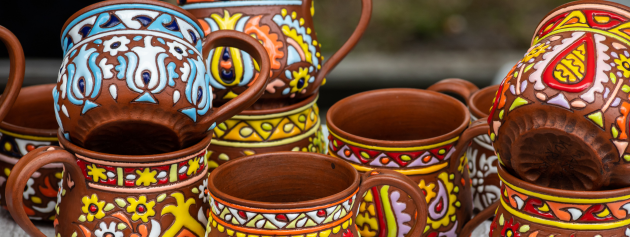
To infuse a home with cultural significance, families should begin by curating meaningful decor that reflects their heritage. This may include traditional textiles, artwork, or handcrafted items that tell a story or symbolize important values. Families can visit local artisans or markets to find unique pieces that resonate with their identity, ensuring that each item serves as a reminder of their cultural roots. Incorporating colors and motifs characteristic of their culture can further enhance the atmosphere, creating a cohesive and inviting space that feels like home.
In addition to decor, families can utilize spaces for cultural displays, such as a dedicated shelf or wall featuring family heirlooms, photographs, and artifacts from their homeland. Arranging these items thoughtfully allows for storytelling opportunities during gatherings, fostering conversations about heritage and traditions. Families might also consider hosting cultural-themed evenings where they share stories, music, and festivities that celebrate their background, creating an immersive environment that honors their lineage while inviting others to learn and appreciate their culture.
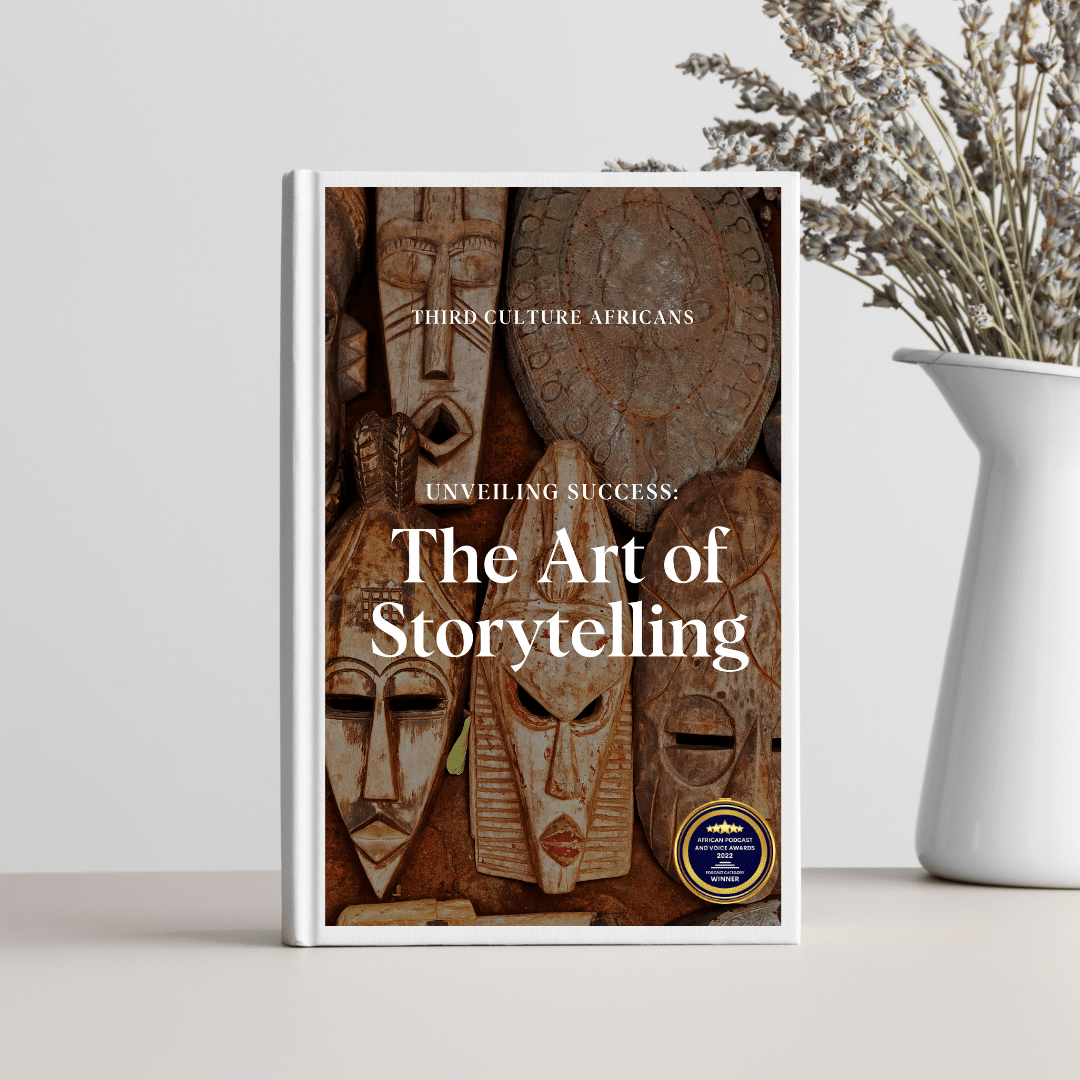
Share stories of traditions together.
Individuals can share stories that highlight their unique customs and practices. During these gatherings, each family member could take turns recounting personal experiences related to specific traditions, such as how holidays were celebrated in their native countries or the significance of certain rituals. This practice deepens the connection among family members and provides younger generations with a sense of belonging and continuity.
In addition to personal anecdotes, families could incorporate traditional foods into these storytelling sessions, further enriching the experience. Preparing a meal that reflects their cultural background not only brings the stories to life but also allows everyone to engage their senses, linking taste with memory. Together, they can explore the origin of ingredients, the stories behind recipes, and the rituals associated with food preparation. This combination of storytelling and culinary traditions creates a vibrant cultural tapestry that strengthens family bonds and fosters appreciation for their heritage.
In conclusion, celebrating global traditions at home can be a rewarding and enriching experience for everyone involved. By following the step-by-step guide outlined in this post, individuals can easily explore diverse cultures through food, music, crafts, and storytelling. Whether it’s preparing a traditional meal from a far-off land or engaging in festive activities that highlight the uniqueness of various customs, the possibilities are endless. Embracing these global traditions not only fosters a greater appreciation for cultural diversity but also creates lasting memories for families and friends. With a little creativity and enthusiasm, anyone can turn their home into a vibrant tapestry of global celebration.