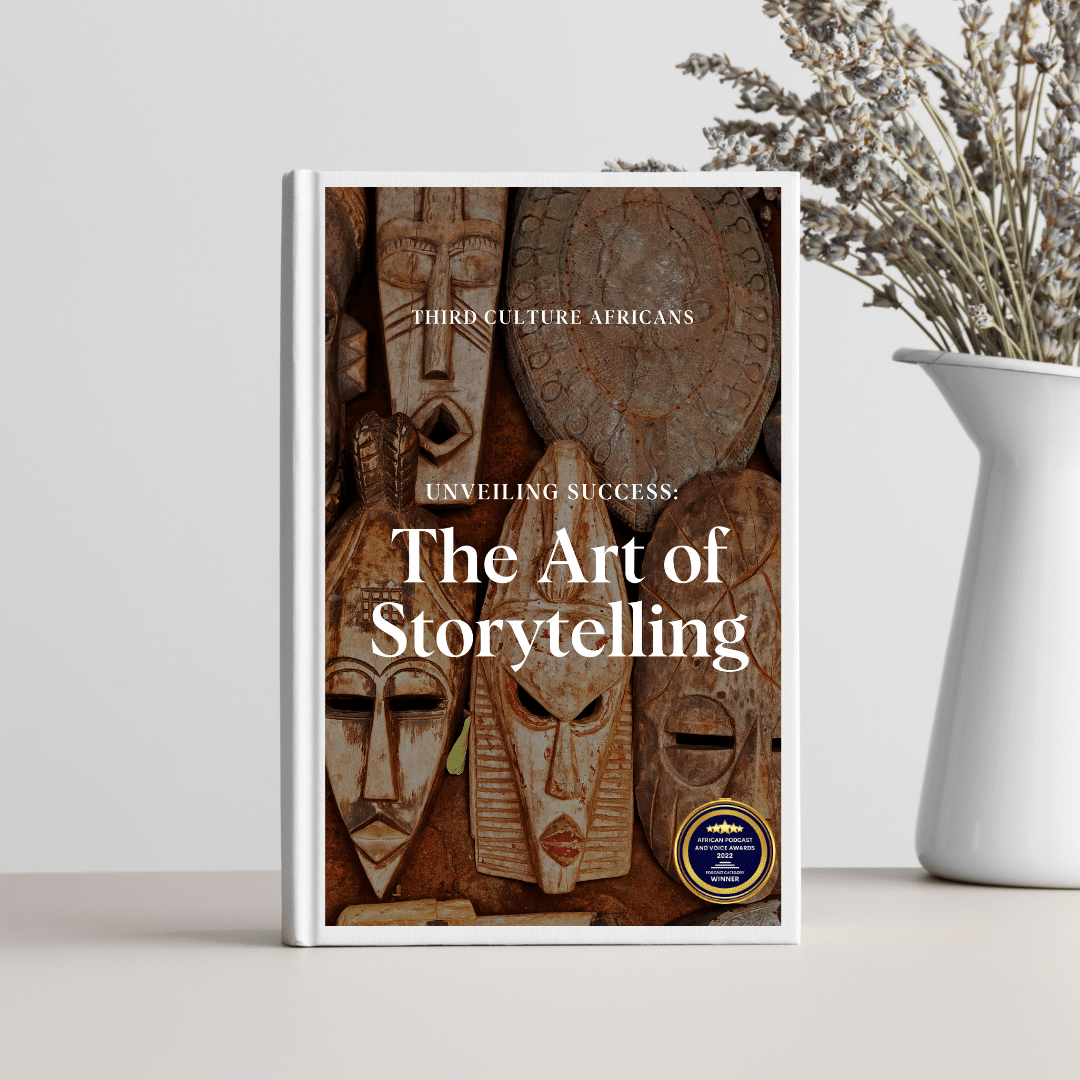
In an increasingly fast-paced world, the practice of gratitude serves as a powerful antidote to stress and negativity. Writing gratitude stories can transform fleeting moments of appreciation into lasting narratives that enrich one’s life.
This article presents a comprehensive step-by-step guide designed to empower individuals to craft their own gratitude stories, allowing them to reflect on positive experiences and cultivate a mindset of thankfulness. By detailing the benefits of gratitude writing—such as enhanced emotional well-being, improved relationships, and greater resilience—this guide invites readers to embark on a journey of self-discovery and personal growth.
Each section provides practical tips and techniques, from brainstorming ideas and structuring narratives to incorporating vivid details that resonate on an emotional level. Readers will learn how to articulate their gratitude in a way that not only honors their experiences but also inspires others.
In an era where the power of storytelling is increasingly recognized, this guide serves as a valuable resource for anyone seeking to deepen their appreciation for life’s blessings and share their journey with the world.
Through the lens of gratitude, individuals can create meaningful stories that celebrate their unique experiences and foster a sense of connection with others.
- Identify meaningful experiences and moments.
To identify meaningful experiences and moments, one should take the time to reflect on their past. This reflection can be facilitated by journaling or simply sitting quietly with thoughts.
It is useful to think about moments of joy, connection, or personal growth, as these often carry significant emotional weight. Engaging with the senses can help; recalling sights, sounds, and feelings associated with these experiences can bring them to life.
It is beneficial to focus on both big milestones and small, seemingly mundane moments, as both can hold profound significance.
In addition, asking questions can guide the process of uncovering these moments. What experiences made an impact on one’s life? Who were the people involved? How did those experiences shape feelings or beliefs?
By considering these questions, one can unearth stories that resonate deeply. Connecting with others to share experiences can also reveal new perspectives on what constitutes a meaningful moment, thereby enriching the understanding of gratitude.
One can start by recalling specific instances where gratitude was felt, whether it was for a kind gesture from a friend or a moment of support during a challenging time.
- Reflect on feelings associated with gratitude.
To delve into feelings associated with gratitude, it is essential to create a space for introspection. One can start by recalling specific instances where gratitude was felt, whether it was for a kind gesture from a friend or a moment of support during a challenging time.
Engaging with these memories allows individuals to tap into the emotions tied to those experiences, exploring the warmth, joy, or relief that gratitude can evoke. It may be helpful to describe these feelings in detail, using vivid language to capture the essence of the emotions experienced.
In this exploration, one should consider how gratitude not only enhances individual well-being but also strengthens connections with others. Reflecting on how acts of kindness or support made one feel can illuminate the importance of gratitude in fostering relationships.
By articulating these sentiments, one can appreciate the ripple effect of gratitude—how it enriches both the giver and the receiver. Ultimately, this reflection serves to deepen the understanding of the significance of gratitude in one’s life, illuminating the powerful role it plays in shaping positive emotional landscapes.

Check out this podcast!
- Organize thoughts into clear narratives.
As individuals begin to articulate their feelings of gratitude, it becomes crucial to structure these thoughts into coherent narratives. They should start by identifying the main theme or message they wish to convey—whether it is the significance of a particular relationship or the impact of a specific experience.
By establishing a clear focus, they can weave together their memories and emotions into a compelling storyline. It is beneficial to arrange events chronologically or thematically, ensuring that each part of the narrative flows smoothly into the next. This organization not only aids in clarity but also enhances the reader’s engagement.
To further refine their narratives, individuals can incorporate sensory details and reflections that deepen the storytelling experience. They may choose to include dialogue or specific actions that bring the memories to life, allowing readers to visualize and connect with the emotions conveyed.
By balancing descriptive elements with well-organized thoughts, they can create a rich tapestry of gratitude that resonates on multiple levels.
Ultimately, an organized narrative not only serves to express personal feelings but also invites others to reflect on their own experiences of gratitude, fostering a shared understanding and appreciation of its transformative power.

Check out this episode!
- Use descriptive language for engagement.
Engaging the reader requires a rich tapestry of descriptive language that evokes vivid imagery and emotional resonance. By painting pictures with words, individuals can transport readers into their experiences, allowing them to feel the warmth of a heartfelt embrace or the chill of a moment of vulnerability.
They should consider the sights, sounds, smells, and textures associated with their memories, weaving these sensory details into the narrative. For instance, rather than simply stating that a friend was supportive, they might describe the comforting sound of their laughter or the way their presence felt like a shield against life’s challenges.
Moreover, utilizing metaphors and similes can enhance the depth of engagement. By comparing feelings to familiar concepts, such as likening gratitude to a gentle breeze that lifts the spirit, they can create more impactful connections for their audience.
Carefully chosen adjectives can also amplify emotions, transforming a simple thank-you into a profound expression of appreciation. It is important to strike a balance between elaboration and conciseness, ensuring that the narrative remains focused while allowing the beauty of language to shine through.
In doing so, they invite readers into an immersive experience that resonates long after the final sentence has been read.
- Revise stories for clarity and impact.
To ensure clarity and impact, it is essential for individuals to revisit their narratives with a critical eye. They should read through their stories multiple times, identifying areas where the message may become muddled or where details might detract from the overall theme.
Simplifying complex sentences and eliminating unnecessary jargon can enhance readability, allowing the core emotions and experiences to shine through more clearly. Additionally, ensuring that each paragraph flows logically into the next will help maintain the reader’s engagement and understanding.
In this revision process, individuals can also seek feedback from others. Sharing stories with trusted friends or family members can provide valuable insights into how the narrative resonates with an audience. Their perspectives may reveal aspects that are unclear or moments that lack emotional weight.
By incorporating constructive criticism, individuals can refine their stories further, enhancing their emotional depth and overall impact. Ultimately, the goal is to create a narrative that not only conveys gratitude but also leaves a lasting impression on the reader.
In conclusion, writing gratitude stories is a rewarding practice that allows individuals to reflect on and appreciate the positive aspects of their lives.
By following this step-by-step guide, anyone can harness the power of storytelling to capture meaningful moments and express heartfelt thanks. Whether it’s through journaling, sharing with friends, or even crafting a public narrative, these stories can inspire and uplift both the writer and the audience.
With patience and creativity, anyone can create a collection of gratitude stories that not only enrich their own lives but also resonate with others, fostering a sense of connection and appreciation in the process.