Artistic endeavours encompass a wide range of creative activities, including visual arts, music, dance, and drama, that serve as powerful tools for cognitive and emotional development. Research has increasingly highlighted the multifaceted benefits of engaging in artistic pursuits, demonstrating their capacity to enhance critical thinking, problem-solving skills, and emotional intelligence. Through the process of creation, individuals are not only able to express themselves but also to explore complex ideas and emotions, fostering a deeper understanding of themselves and the world around them. The interplay between artistic expression and psychological growth underscores the significance of incorporating creative activities into educational curricula and therapeutic settings. By engaging with various art forms, individuals can experience profound personal transformations, leading to improved mental health, social skills, and resilience. This article delves into the intricate relationship between artistic practice and developmental psychology, examining how participation in the arts can catalyze cognitive and emotional growth across different age groups. It also considers the implications for educators, mental health professionals, and policymakers who seek to cultivate environments conducive to holistic development through the arts. Ultimately, the exploration of artistic endeavours reveals their vital role in nurturing well-rounded individuals equipped to navigate the complexities of contemporary life.
Artistic endeavours enhance cognitive processing and problem-solving skills in individuals across various age groups.
Engagement in artistic endeavour has consistently been associated with improvements in cognitive processing and enhanced problem-solving capabilities. Research indicates that activities such as painting, sculpting, and musical composition stimulate various neural pathways, fostering creative thinking and innovative solutions. This engagement not only cultivates divergent thinking but also encourages individuals to approach challenges from multiple perspectives, thereby improving their adaptability in complex situations. As individuals navigate the intricacies of artistic creation, they develop a heightened ability to analyze and synthesize information, contributing to their overall cognitive agility.
Furthermore, the benefits of artistic endeavour are apparent across diverse age groups, highlighting its universal relevance. Children exposed to various forms of art often demonstrate increased levels of critical thinking and improved spatial reasoning skills, while adults engaged in artistic activities report heightened cognitive flexibility. Older adults, too, experience cognitive preservation through artistic engagement, which aids in maintaining mental acuity and emotional well-being. Thus, the integration of artistic practices into daily life emerges as a valuable strategy for enhancing cognitive function and problem-solving skills throughout the lifespan.
As social bonds are strengthened through these shared experiences, participants are likely to experience increased empathy and understanding, vital components of effective communication and collaboration in any community setting.
Creative expression fosters emotional regulation and resilience in both children and adults during challenges.
Artistic endeavour serves as a vital mechanism for emotional regulation and resilience, equipping both children and adults with tools to navigate life’s challenges. When individuals engage in creative activities, they are afforded a safe space to explore and express complex emotions, thereby facilitating greater self-awareness and emotional processing. This expression allows for the externalization of feelings that might otherwise become overwhelming, leading to a more balanced emotional state. Moreover, the act of creating can serve as a form of catharsis, promoting mental well-being and alleviating stress by providing an outlet for feelings of anxiety, sadness, or frustration.
In addition to aiding emotional expression, artistic endeavour cultivates resilience by fostering a sense of agency and accomplishment. As individuals create art, whether through painting, music, or drama, they encounter and overcome obstacles inherent in the creative process. This experience reinforces the notion that challenges can be navigated successfully, instilling confidence and perseverance. For children, this not only aids in developing coping strategies but also contributes to a growth mindset, allowing them to view setbacks as opportunities for learning. Adults similarly benefit, as artistic endeavours offer a pathway to reflect on and reframe difficulties, ultimately enhancing their capacity to thrive amidst adversity.
Furthermore, the benefits of artistic endeavour are apparent across diverse age groups, highlighting its universal relevance. Children exposed to various forms of art often demonstrate increased levels of critical thinking and improved spatial reasoning skills, while adults engaged in artistic activities report heightened cognitive flexibility. Older adults, too, experience cognitive preservation through artistic engagement, which aids in maintaining mental acuity and emotional well-being. Thus, the integration of artistic practices into daily life emerges as a valuable strategy for enhancing cognitive function and problem-solving skills throughout the lifespan.
Engaging in art promotes social interaction, encouraging collaboration and communication among participants.
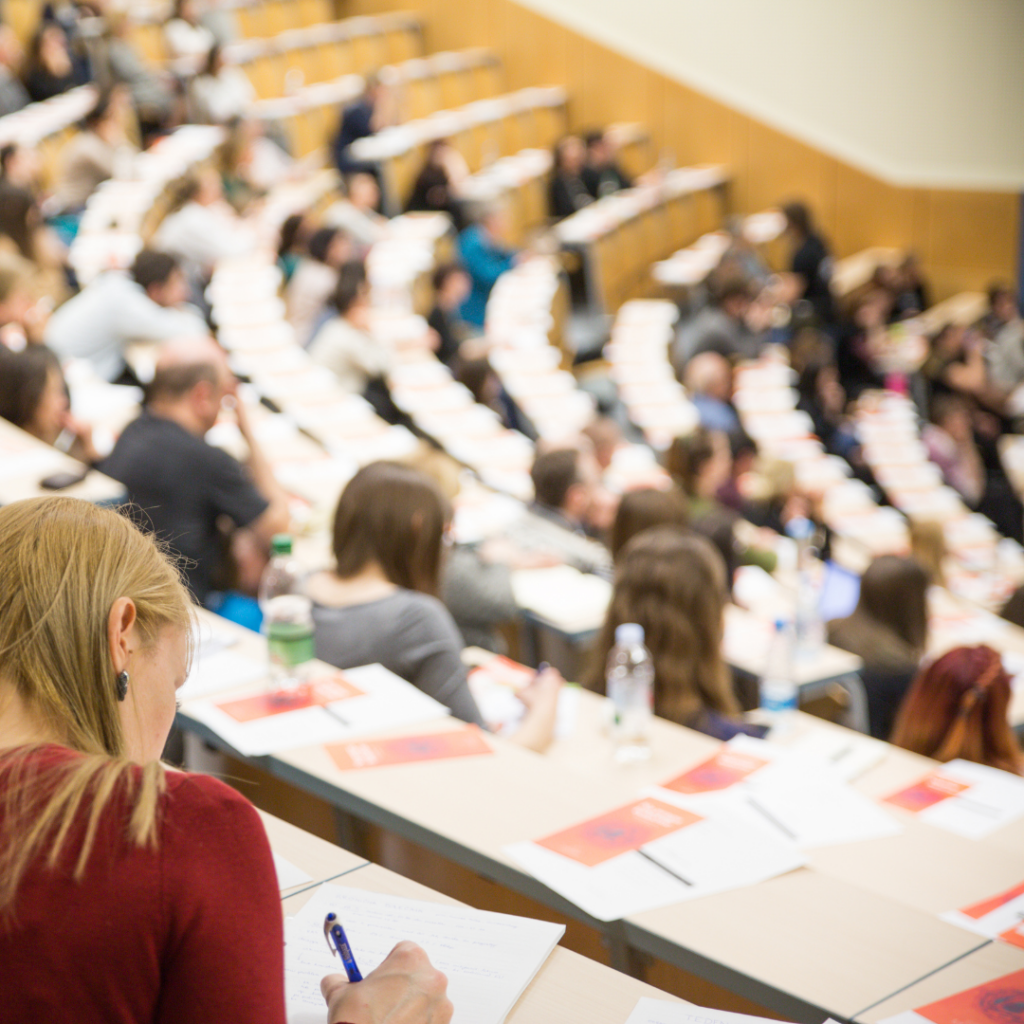
Artistic endeavour inherently fosters environments conducive to social interaction, facilitating collaboration and communication among participants. When individuals come together to engage in creative activities, they not only share their distinct perspectives but also merge their ideas, resulting in a collective artistic expression that can surpass individual capabilities. This collaborative process encourages dialogue, negotiation, and compromise, as participants learn to listen to one another and integrate diverse viewpoints. Such interactions enrich the creative experience, fostering a sense of community and belonging that can enhance interpersonal relationships.
Moreover, artistic endeavour often requires teamwork, prompting individuals to work towards common goals and develop a shared vision. This collaborative spirit can break down barriers and foster inclusivity, as diverse groups come together to engage in shared creative pursuits. By participating in joint artistic activities, individuals enhance their communication skills, learning to articulate their thoughts and feelings in a constructive manner. As social bonds are strengthened through these shared experiences, participants are likely to experience increased empathy and understanding, vital components of effective communication and collaboration in any community setting.
In addition to aiding emotional expression, artistic endeavour cultivates resilience by fostering a sense of agency and accomplishment. As individuals create art, whether through painting, music, or drama, they encounter and overcome obstacles inherent in the creative process. This experience reinforces the notion that challenges can be navigated successfully, instilling confidence and perseverance. For children, this not only aids in developing coping strategies but also contributes to a growth mindset, allowing them to view setbacks as opportunities for learning. Adults similarly benefit, as artistic endeavours offer a pathway to reflect on and reframe difficulties, ultimately enhancing their capacity to thrive amidst adversity.
Furthermore, the benefits of artistic endeavour are apparent across diverse age groups, highlighting its universal relevance. Children exposed to various forms of art often demonstrate increased levels of critical thinking and improved spatial reasoning skills, while adults engaged in artistic activities report heightened cognitive flexibility. Older adults, too, experience cognitive preservation through artistic engagement, which aids in maintaining mental acuity and emotional well-being. Thus, the integration of artistic practices into daily life emerges as a valuable strategy for enhancing cognitive function and problem-solving skills throughout the lifespan.
Writing for me became a sanctuary, a way to channel the chaos and trauma of war into something meaningful.
Vamba Sherif Listen Here
Artistic activities stimulate critical thinking and innovation, fostering a growth mindset in learners.
Engagement in artistic endeavour cultivates critical thinking skills by encouraging individuals to analyze, interpret, and evaluate their creative decisions. As learners navigate the complexities of various artistic mediums, they are prompted to question traditional norms and explore innovative solutions to problems. This iterative process of experimentation and reflection not only enhances cognitive flexibility but also nurtures an environment where failure is perceived as a valuable learning opportunity. Such experiences are instrumental in developing a growth mindset, as individuals come to understand that mastery and creativity emerge from persistence and resilience rather than innate talent.
Furthermore, artistic endeavour promotes innovation by encouraging learners to push the boundaries of conventional thought. The act of creating art often involves synthesizing disparate ideas and experimenting with new techniques, which fosters an adventurous spirit and a willingness to take risks. By engaging in this creative process, learners acquire the ability to think outside the box and devise original solutions to challenges they encounter. The combination of critical thinking and innovative exploration within artistic activities not only enhances individual capabilities but also prepares learners for the complexities of an ever-evolving world, reinforcing the notion that continual growth and adaptation are essential to personal and communal success.
Art serves as a therapeutic outlet, aiding in self-reflection and emotional healing for individuals.
The exploration of artistic endeavour facilitates a profound avenue for self-reflection and emotional healing, allowing individuals to confront and process complex feelings. Through the act of creation, individuals often find a safe space to express thoughts that may be difficult to articulate verbally. This form of non-verbal communication can lead to increased self-awareness, as participants engage with their emotions and gain insights into their psychological states. By translating internal experiences into tangible forms, whether through painting, sculpting, or other artistic practices, individuals can explore their identities and confront personal challenges in a constructive manner.
Moreover, the therapeutic potential of artistic endeavour lies in its ability to foster resilience and promote emotional regulation. As individuals engage in the creative process, they experience a sense of agency and empowerment, which can be particularly beneficial in overcoming trauma or emotional distress. The iterative nature of artistic work encourages patience and perseverance, helping individuals to navigate their emotional landscapes while cultivating coping strategies. Through this journey, artistic endeavour emerges not merely as a pastime but as a vital tool for mental well-being, enabling individuals to heal and grow through their creative expressions.
In conclusion, the exploration of artistic endeavors as a medium for cognitive and emotional development underscores the profound impact that creative expression can have on individuals. The synthesis of research findings indicates that engagement in the arts not only fosters critical thinking and problem-solving skills but also enhances emotional intelligence and self-awareness. By providing a platform for individuals to navigate their thoughts and feelings, artistic activities facilitate a deeper understanding of oneself and others. Consequently, it becomes evident that integrating artistic practices into educational and therapeutic settings can significantly contribute to holistic development, promoting a well-rounded approach to personal growth and social interaction. Thus, recognizing the intrinsic value of the arts is essential for cultivating environments that support both cognitive and emotional flourishing.