In an era characterized by rapid technological advancement and ever-evolving societal needs, the interplay between artistic endeavours and innovation has garnered significant attention. This relationship embodies a dynamic synergy where creativity meets practicality, leading to groundbreaking solutions in various fields. Artistic pursuits, ranging from visual arts and music to performance and design, possess a unique ability to inspire divergent thinking, challenge conventional norms, and encourage collaboration across disciplines. By engaging with artistic expression, individuals and organizations can unlock new perspectives that drive innovative practices, ultimately shaping the future. Moreover, the integration of art into industries such as technology, education, and business has proven to enhance problem-solving capabilities, foster emotional intelligence, and stimulate a culture of experimentation. As society grapples with complex challenges—from climate change to social inequality—the role of art as a catalyst for innovation becomes increasingly crucial. This article will explore how artistic endeavours not only enrich cultural landscapes but also serve as essential tools for creative problem-solving, illustrating their profound impact on today’s society and the ways in which they cultivate a fertile ground for innovative thought and action.
Artistic endeavours inspire creative problem-solving in various industries.
Artistic endeavours serve as a powerful catalyst for innovative thinking across multiple sectors. By integrating creative processes and techniques from the arts, professionals in fields such as technology, engineering, and business are able to approach challenges with a fresh perspective. The methods employed in artistic practices encourage experimentation and risk-taking, allowing individuals to break free from conventional patterns of thought. This infusion of creativity not only enhances the development of unique solutions but also fosters a culture of collaboration and open-mindedness within teams.
Moreover, the application of artistic principles in problem-solving can lead to more engaging and effective outcomes. Industries that embrace artistic endeavours often find that they can cultivate a more dynamic environment where diverse ideas flourish. This approach not only contributes to the development of innovative products and services but also enhances the overall aesthetic and user experience. As professionals draw inspiration from the arts, they are better equipped to navigate complex challenges, resulting in a more adaptable and forward-thinking workforce.
The iterative nature of artistic creation fosters an environment of trial and error, where artists learn to navigate ambiguity and uncertainty, ultimately honing their analytical skills
Innovation flourishes in collaborative artistic environments.
Collaborative artistic environments play a crucial role in nurturing innovation by encouraging interdisciplinary interactions. When individuals from diverse artistic disciplines come together, they bring a wealth of unique perspectives and creative problem-solving skills. Such environments cultivate a sense of shared ownership over projects, allowing participants to explore bold ideas without the constraints typically found in traditional settings. This synergy fosters a rich atmosphere where experimentation becomes the norm, leading to breakthroughs that might not arise in isolation.
In these collaborative spaces, the interplay between different artistic endeavours amplifies the potential for creative exploration. Team members often engage in dynamic discussions, challenge each other’s viewpoints, and inspire one another to think outside established parameters. As a result, the collective creativity that emerges not only enhances the quality of the artistic output but also encourages individuals to develop an adaptive mindset. This adaptability is essential in today’s fast-paced world, where the ability to pivot and innovate can determine success across various fields.
Engaging in art enhances critical thinking skills.
Artistic endeavours serve as a powerful catalyst for enhancing critical thinking skills, as they require individuals to analyze, interpret, and evaluate various elements of their work. Through the process of creating art, participants are often confronted with complex challenges that demand thoughtful consideration and innovative solutions. This engagement encourages them to assess different perspectives, question assumptions, and make reasoned decisions, all of which are essential components of critical thinking. The iterative nature of artistic creation fosters an environment of trial and error, where artists learn to navigate ambiguity and uncertainty, ultimately honing their analytical skills.
Furthermore, the reflective practice inherent in artistic endeavours promotes metacognition, allowing individuals to think about their own thinking processes. By evaluating their own artistic choices and the impacts of those choices on the audience, artists become more adept at self-assessment and iterative improvement. This ongoing reflection not only sharpens their artistry but also translates into enhanced critical thinking abilities that can be applied in various contexts beyond the realm of art. Thus, engaging in artistic activities significantly contributes to the development of a critical mindset, equipping individuals with the tools necessary to tackle complex problems in a rapidly evolving world.

Artistic pursuits promote diverse perspectives and ideas.
Artistic endeavours inherently embrace a multitude of perspectives and ideas, creating a rich tapestry of cultural expression that is vital for societal growth. Through engagement in various forms of art, individuals from different backgrounds, experiences, and ideologies come together, sharing their unique narratives and insights. This collaborative spirit not only broadens the understanding of diverse cultures but also fosters empathy and appreciation for differing viewpoints. As artists communicate their thoughts and feelings through their work, they challenge the status quo and encourage audiences to reconsider their own beliefs, thus igniting conversations that promote inclusivity and dialogue.
Moreover, the collaborative nature of artistic endeavours serves as a platform for innovation, as artists draw inspiration from each other’s experiences and techniques. This cross-pollination of ideas can lead to the emergence of new artistic styles and movements, reflecting the dynamic interplay between tradition and contemporary influences. By embracing diverse perspectives, artistic pursuits not only enrich the creative landscape but also contribute to societal progress, as they invite collective participation in addressing shared challenges and envisioning a more equitable future.
Creativity from art drives technological advancements.
The intersection of artistic endeavours and technology is a dynamic force that propels innovation forward. Artists frequently explore new mediums and techniques, driving the development of tools and technologies that enhance creative expression. This symbiotic relationship is evident in fields such as digital art, where advancements in software and hardware are often a direct result of artistic demands for more sophisticated capabilities. As artists push the boundaries of what is possible, they inadvertently inspire engineers and technologists to devise solutions that address these emerging needs, leading to advancements that benefit both the art world and broader society.
Furthermore, the principles of artistic endeavours—such as experimentation, risk-taking, and the reimagining of existing constructs—can be applied to technological development, encouraging a culture of creativity within scientific and engineering disciplines. As artists challenge conventional norms, they encourage technologists to think outside the box and approach problems from unconventional angles. This cross-disciplinary approach has historically led to groundbreaking innovations, illustrating that the creative impulses rooted in art are not just complementary to technological progress, but are often the catalyst for it.
Artistic creation, especially writing, gave me the freedom to reconstruct my world and reclaim my narrative.
Vamba Sherif Listen Here
Artistic expression fosters emotional intelligence and empathy.
Artistic endeavours play a crucial role in cultivating emotional intelligence and empathy within individuals and communities. By engaging with various forms of art—be it through creating, performing, or experiencing art—people are invited to explore complex emotions and perspectives that may differ from their own. This exploration encourages a deeper understanding of the human experience, allowing individuals to connect with others on a profound level. As they immerse themselves in the narratives and emotions conveyed through artistic expression, they develop a heightened awareness of their feelings as well as those of others, fostering a more empathetic worldview.
Moreover, artistic endeavours serve as a vehicle for communication that transcends linguistic and cultural barriers. Through visual arts, music, dance, and literature, artists convey stories and messages that resonate universally, enabling audiences to engage with diverse experiences. This shared emotional journey not only enriches personal relationships but also promotes social cohesion and understanding within diverse communities. As empathy grows through engagement with art, societies become more compassionate and inclusive, reflecting the powerful impact of artistic endeavours on emotional and relational dynamics.
Art initiatives strengthen community bonds and collaboration.
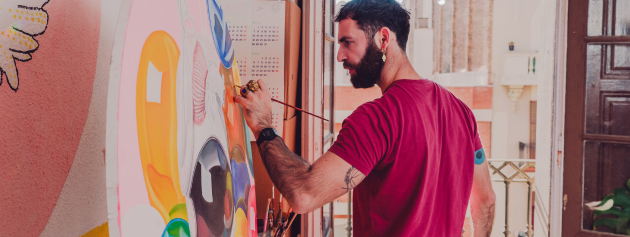
Artistic endeavours act as a catalyst for strengthening community bonds and promoting collaboration among individuals from diverse backgrounds. Community art initiatives, such as public murals, collaborative performances, and local festivals, create opportunities for residents to come together, share their unique perspectives, and contribute collectively to a common goal. These collaborations not only enrich the cultural fabric of the community but also foster a sense of belonging and pride among participants. By actively engaging in artistic projects, individuals are encouraged to build relationships based on mutual respect and understanding, ultimately enhancing social cohesion.
Furthermore, the cooperative nature of artistic endeavours encourages innovative problem-solving and resource sharing within communities. As people work together on artistic projects, they exchange ideas, skills, and resources, sparking new creative solutions that address local challenges. This collaborative spirit not only amplifies the impact of individual contributions but also nurtures an environment where creativity thrives. In this way, art initiatives not only celebrate diversity but also empower communities to harness their collective strengths, driving positive social change and fostering a culture of collaboration.
Different art forms encourage unconventional thinking and solutions.
Artistic endeavours inherently invite participants to explore beyond traditional frameworks, promoting a culture of unconventional thinking and inventive solutions. By engaging with diverse forms of expression, such as visual arts, music, dance, or theater, individuals are prompted to challenge existing norms and conventions. This exposure to varied perspectives encourages them to approach problems with an open mind, recognizing that creativity can flourish outside conventional boundaries. The iterative process of artistic creation often involves experimentation and iteration, which not only cultivates a mindset of flexibility but also leads to unexpected breakthroughs that can be applied to broader contexts.
Moreover, the collaborative nature of artistic endeavours amplifies this capacity for innovative thinking. When artists and creators come together, they merge their distinct insights and methodologies, resulting in a dynamic interplay of ideas. This cross-pollination of thoughts and techniques fosters a vibrant environment where solutions can emerge organically, often in ways that conventional problem-solving methods might overlook. As such, the practice of engaging in various art forms becomes a powerful tool not only for individual expression but also for nurturing a collective approach to addressing complex challenges in society.
In conclusion, artistic endeavours play a pivotal role in fostering innovation within today’s society. By encouraging creative thinking and interdisciplinary collaboration, the arts challenge conventional boundaries and inspire individuals to explore new ideas and solutions. As demonstrated throughout the discussion, the integration of artistic expression into various fields—ranging from technology to business—can lead to groundbreaking advancements and a more vibrant cultural landscape. As society continues to navigate complex challenges, recognizing and nurturing the symbiotic relationship between art and innovation will be essential for driving progress and cultivating a more imaginative future.