Engaging in artistic endeavours has long been recognized as a significant component of education, transcending mere hobby or leisure activity to serve as a vital tool for cognitive and emotional development. The educational value of the arts encompasses a spectrum of benefits that extend beyond the confines of traditional academic disciplines. Research consistently demonstrates that participation in artistic activities—ranging from visual arts and music to dance and theater—enhances critical thinking skills, promotes creativity, and fosters collaboration among peers. Moreover, artistic engagement cultivates emotional intelligence and self-expression, allowing individuals to navigate complex emotions and communicate their thoughts more effectively. As educational institutions increasingly seek holistic approaches to learning, the integration of arts into curricula has gained momentum, reflecting a growing recognition of its multifaceted contributions to personal and academic growth. This article explores the myriad ways in which engaging in artistic endeavours enriches the educational experience, highlighting empirical studies, expert opinions, and case examples that illustrate the transformative power of the arts in shaping well-rounded individuals equipped for the challenges of the modern world. Through this exploration, the intrinsic link between creativity and education emerges, underscoring the essential role of the arts in fostering a vibrant, innovative society.
- Engaging in art enhances critical thinking skills for deeper understanding and analysis.
Engaging in artistic activities encourages individuals to explore complex concepts and themes, fostering a nuanced approach to problem-solving. As participants analyze diverse forms of expression, they are prompted to interpret meanings, critique techniques, and evaluate the intentions behind various works. This process cultivates an analytical mindset, as individuals learn to navigate ambiguity and consider multiple perspectives. Such critical engagement with art not only deepens one’s appreciation for creative endeavours but also translates into enhanced cognitive abilities that are applicable in academic and everyday contexts.
Furthermore, the act of creating art itself demands a reflective thought process that involves planning, experimentation, and revision. Artists must weigh options, assess outcomes, and make informed decisions throughout their creative journey. This iterative practice not only hones their ability to think critically about their work but also cultivates resilience and adaptability. Consequently, individuals who engage in artistic pursuits are more likely to develop a robust toolkit for critical analysis, empowering them to approach challenges with greater depth and creativity in various aspects of life.
Art helps navigate challenges and celebrate successes collectively, allowing for the cultivation of a shared vision.
- Artistic activities promote creativity and innovation, fostering unique problem-solving approaches.
It encourages the development of innovative solutions to challenges encountered during the creative process. By delving into various artistic mediums and techniques, individuals learn to intertwine their emotional responses with practical strategies, leading to a fusion of creativity and functionality. This unique intersection is particularly valuable in problem-solving scenarios, where traditional methods may fall short. The skills acquired through artistic practice—such as adaptability, resourcefulness, and imaginative thinking—can be effectively applied to a range of disciplines, enabling individuals to approach problems from unconventional angles.
Moreover, the collaborative nature of many artistic endeavours further amplifies this innovative spirit. When individuals work together in creative settings, they are exposed to diverse viewpoints and approaches, fostering a dynamic exchange of ideas. This collaborative environment not only enhances their ability to articulate their thoughts but also nurtures an openness to constructive feedback and collective brainstorming. As a result, participants become adept at synthesizing different perspectives, which empowers them to devise solutions that are not only imaginative but also grounded in the realities of group dynamics. Thus, the interplay of creativity, collaboration, and critical exploration in artistic activities lays a foundation for a more inventive and adaptable mindset in various problem-solving contexts.
- Art encourages emotional expression, aiding emotional intelligence development and interpersonal skills.
Art serves as a powerful medium for emotional expression, allowing individuals to explore and articulate their feelings in ways that words alone might not achieve. Through various forms of artistic expression—be it painting, music, dance, or theater—participants tap into their emotions, confronting and processing complex feelings. This engagement promotes emotional intelligence, as individuals become more attuned to their own emotional states and those of others. By learning to express themselves artistically, they also cultivate a heightened awareness of non-verbal cues, enhancing their ability to empathize and connect with others.
In addition to fostering emotional intelligence, engaging in art supports the development of essential interpersonal skills. Collaborative art projects require effective communication, compromise, and the ability to navigate differing perspectives, all of which are vital in interpersonal relationships. As individuals work together, they practice active listening and constructive feedback, creating a safe space for vulnerability and trust. Such experiences not only strengthen their social bonds but also equip them with the tools necessary for successful collaboration in various aspects of life, from personal relationships to professional environments.

- Collaborative art projects build teamwork and communication skills in diverse groups.
Art helps navigate challenges and celebrate successes collectively, allowing for the cultivation of a shared vision. This group dynamic encourages participants to articulate their ideas clearly while also remaining receptive to feedback, fostering an atmosphere where diverse opinions are not just tolerated but valued. As they collaborate on artistic tasks, individuals learn to appreciate the strengths and talents of their peers, leading to a sense of mutual respect and understanding.
Furthermore, the process of creating art in a group setting often mirrors real-world scenarios where teamwork is essential. Participants are tasked with negotiating roles, responsibilities, and creative directions, which inherently builds skills in conflict resolution and collaboration. Such experiences equip individuals with the tools necessary to work effectively in varied environments, whether in academic, professional, or community settings. Engaging in collaborative art projects thus serves as a microcosm for developing broader social skills, ultimately enhancing the ability to work harmoniously in diverse groups.
- Art education improves focus and patience, beneficial for academic success in various subjects.
Art education cultivates essential cognitive skills such as focus and patience, which are instrumental in enhancing academic performance across various subjects. Through the meticulous nature of artistic processes, students learn to concentrate on details, whether they are painting, drawing, or sculpting. This sustained attention to task fosters a habit of mindfulness, encouraging learners to immerse themselves fully in their academic pursuits. As they engage in the iterative process of creating and refining their artwork, students develop the patience to see a project through to completion, a trait that correlates directly with improved persistence in tackling complex assignments and study routines.
Moreover, the skills acquired in art education extend beyond the classroom, providing a foundation that supports success in disciplines like mathematics, science, and language arts. The ability to focus on intricate details can lead to enhanced problem-solving skills, enabling learners to dissect challenging concepts methodically. Likewise, the patience cultivated through artistic endeavours translates into a more profound capacity for learning, allowing students to engage with material at a deeper level. By integrating art into their education, learners not only enrich their creative expressions but also arm themselves with vital skills that bolster their overall academic journey.
Creating something new and original requires courage, especially in an industry that’s constantly changing. But that’s where the magic of artistic expression comes alive.
Fisayo Longe Listen To The Full Episode Here
- Engaging in art reduces stress, promoting mental well-being and overall life satisfaction.
Engagement in artistic activities has been shown to serve as a powerful antidote to stress, contributing significantly to mental well-being and overall life satisfaction. By allowing individuals to express their emotions creatively, art fosters a sense of release from daily pressures and anxieties. The immersive nature of artistic creation, whether through painting, music, or dance, provides a sanctuary where individuals can temporarily escape their worries and immerse themselves in the process. This act of creation not only distracts from stressors but also encourages a flow state, characterized by focused engagement and enjoyment, which is vital for psychological health.
In addition to its stress-relieving qualities, participation in the arts has been linked to improved self-esteem and a sense of accomplishment. As individuals observe their skills develop and their ideas materialize into tangible forms, they cultivate a positive self-image and greater life satisfaction. Moreover, artistic engagement often facilitates social connections, as individuals share their work and participate in collaborative projects, further enhancing emotional well-being. Collectively, these elements underscore how art not only enriches personal lives but also contributes to a more balanced, fulfilled existence in a fast-paced world.
- Artistic endeavours cultivate cultural awareness, fostering appreciation for diverse perspectives and traditions.
Artistic activities play a crucial role in fostering cultural awareness by exposing individuals to a wide array of traditions, values, and narratives that differ from their own. Through engagement with various art forms—such as music, literature, visual arts, and performance—participants gain insights into the histories and experiences of different cultures. This exposure not only enriches their understanding of the world but also encourages empathy and respect for diverse perspectives. By appreciating the intricacies of artistic expression across cultures, individuals are better equipped to recognize and celebrate the unique contributions that each community brings to the global tapestry.
Moreover, this appreciation for diversity through art can lead to meaningful dialogues, bridging gaps between different cultural backgrounds. When individuals engage in collaborative artistic projects or share their own cultural practices, they foster a sense of interconnectedness and shared humanity. Such interactions not only enhance social cohesion but also empower individuals to reflect critically on their own cultural identities. In this way, artistic endeavours become a vital educational tool, guiding individuals toward a more inclusive worldview that values the richness of human experience.
- Creating art strengthens fine motor skills, enhancing hand-eye coordination and dexterity.
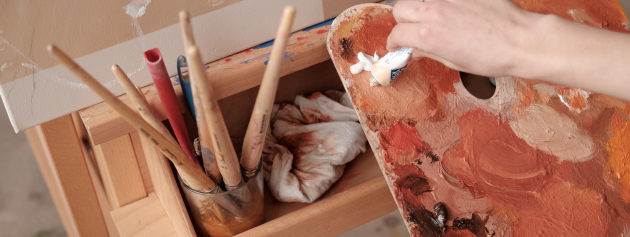
Engaging in artistic activities requires precision and control, which are essential for the development of fine motor skills. As individuals manipulate various tools and materials—such as brushes, pencils, or clay—they practice intricate hand movements that directly strengthen their hand-eye coordination and dexterity. This increased control not only allows for greater creativity in the artistic process but also translates to improved performance in everyday tasks that necessitate fine motor skills, such as writing, typing, or using utensils.
Furthermore, the repetitive nature of artistic practice reinforces muscle memory, which contributes to long-term skill retention. By repeatedly engaging with art, individuals refine their abilities, making them more adept at nuanced movements. These enhancements in fine motor skills are particularly beneficial for children, as they lay the groundwork for later learning and development. As participants create and explore their artistic expressions, they inadvertently build a robust foundation for both cognitive and physical growth, fostering a holistic approach to skill acquisition.
In conclusion, engaging in artistic endeavours offers profound educational value that extends far beyond the confines of traditional learning. Through creative expression, individuals not only hone their critical thinking and problem-solving skills but also develop emotional intelligence and cultural awareness. The process of creating art fosters resilience and adaptability, essential traits in an ever-evolving world. As educators and parents recognize the importance of nurturing creativity, they contribute to a holistic approach to education that prepares learners for a diverse range of challenges. Ultimately, the integration of the arts into educational frameworks enriches the learning experience, fostering well-rounded individuals who are not only knowledgeable but also innovative and empathetic.