The evolution of artistic endeavours has been a remarkable journey, reflecting both societal changes and technological advancements. From the earliest cave paintings to the intricate sculptures of antiquity, traditional art forms have long served as a testament to human creativity and expression. These forms were deeply rooted in cultural narratives and personal experiences, often requiring extensive training and mastery of materials. However, the advent of digital technology has revolutionized the landscape of art, opening up new avenues for creativity and expression. Digital art, characterized by its reliance on computer software and digital tools, has democratized the artistic process, allowing a broader range of individuals to engage in artistic creation without the constraints of traditional mediums. This transformation raises critical questions about the definition of art, the role of the artist, and the value of artistic expression in a rapidly changing world. As societal norms continue to shift alongside technological innovations, understanding the trajectory from traditional to digital art becomes essential for appreciating the complexities of modern artistic practices. This article explores this evolution, examining the interplay between tradition and innovation and highlighting the diverse ways in which artists navigate this dynamic landscape.
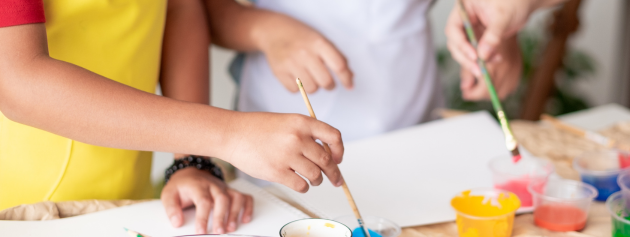
Traditional art forms date back centuries, showcasing human creativity and cultural expressions through various mediums.
Throughout history, traditional art forms have played a pivotal role in reflecting the values, beliefs, and experiences of different cultures. From ancient cave paintings to intricate textiles and ceramics, these artistic expressions serve as a testament to the ingenuity and resourcefulness of human beings. Each medium carries its own significance, often intertwined with rituals, storytelling, and social functions, thereby providing a window into the lives of past civilizations. The craftsmanship involved in creating these works often requires years of dedication, preserving techniques and styles that have been passed down through generations.
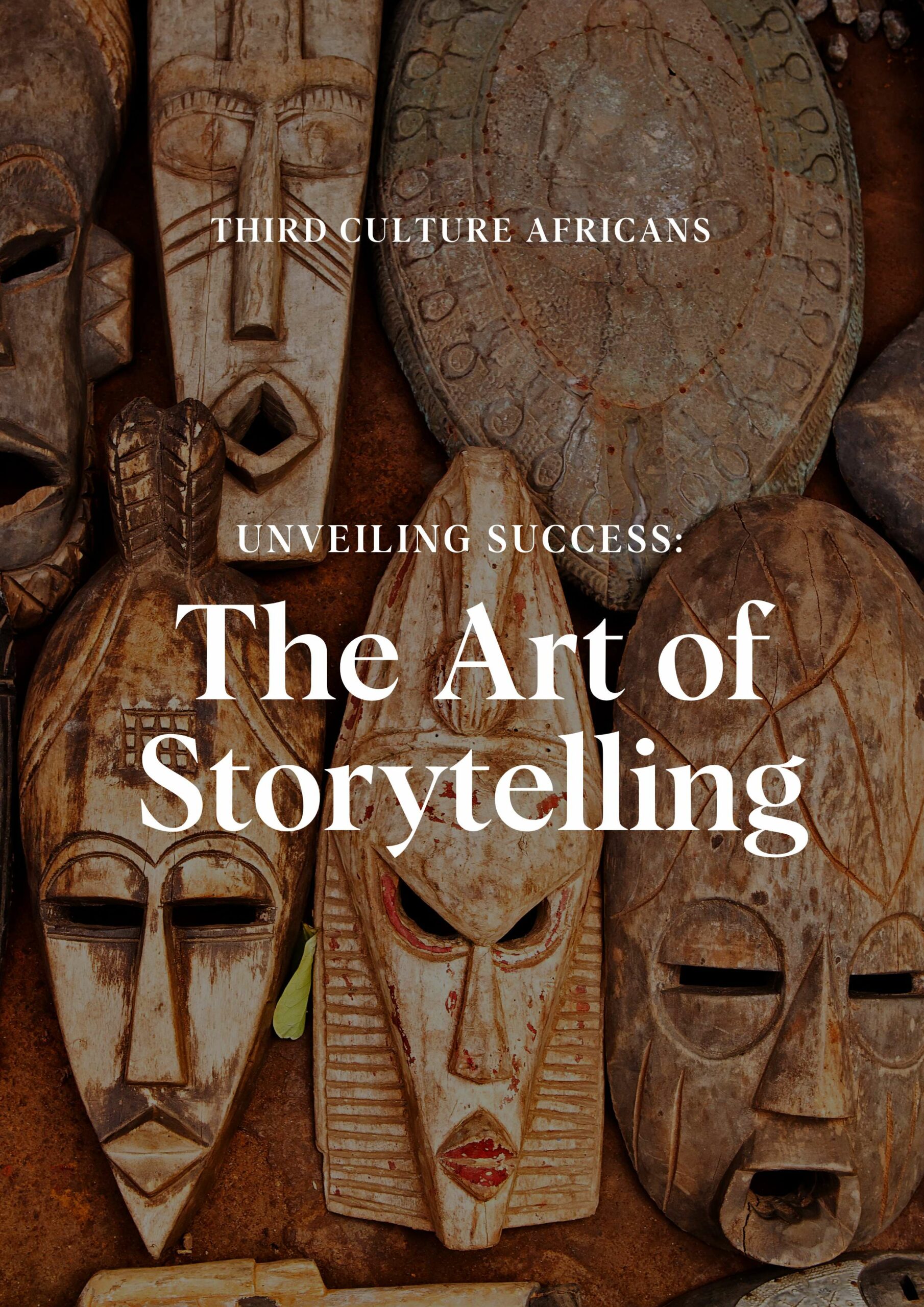
Various cultures have developed unique art forms that illustrate their distinctive identities. For instance, the intricate patterns found in Indian Madhubani paintings often celebrate nature and mythology, whereas African tribal masks embody spiritual beliefs and social narratives. The diversity in traditional art not only enriches the global artistic landscape but also fosters a sense of connection among communities. As these art forms continue to be practiced and appreciated today, they remind contemporary society of the importance of heritage and the enduring power of creativity in shaping human experiences across time.
The rise of digital art has significantly transformed the landscape of art creation and consumption, prompting critical discussions regarding authenticity and ownership.
The invention of photography transformed visual arts, allowing artists to explore new creative possibilities.
With the advent of photography, artists gained a revolutionary tool that expanded their creative horizons, fundamentally altering their approach to visual representation. This new medium introduced the concept of capturing reality with precision and immediacy, challenging the traditional techniques of painting and drawing that often required extensive time and skill. Photographers could now document fleeting moments, revealing details and perspectives that were previously unattainable. This shift prompted visual artists to reconsider their own practices, leading to an embrace of experimentation and abstraction as they sought to distinguish their work from the growing prevalence of photographic images.
As photography democratized access to visual representation, it also inspired a re-examination of subjects, composition, and the nature of art itself. Artists began to explore themes of perception and reality, utilizing photography not only as a means of documentation but also as a catalyst for innovative styles such as Impressionism and Surrealism. This interplay between photography and painting fostered a dialogue between different artistic disciplines, encouraging the blending of techniques and mediums. Ultimately, photography became a pivotal force in the evolution of visual arts, opening up new avenues for expression and challenging the boundaries of creativity.
Digital art emerged in the late 20th century, revolutionizing how artists create and share work.
With the rise of digital technology in the late 20th century, artists experienced another paradigm shift in the creation and dissemination of their work. Digital art tools, such as graphic design software and digital drawing tablets, enabled artists to experiment with new mediums and techniques that were previously unimaginable. This accessibility to sophisticated tools allowed for greater experimentation and innovation, empowering artists to blend traditional techniques with modern technology. Furthermore, the ability to manipulate images in real time and apply complex effects helped to foster unique styles that reflect the nuances of the digital age.
Moreover, the internet transformed the landscape for sharing art, breaking down geographical barriers and facilitating a global exchange of ideas. Artists could easily showcase their work to a worldwide audience through online platforms and social media, creating new opportunities for collaboration and exposure. This democratization of art distribution not only expanded the reach of individual artists but also allowed for diverse voices and perspectives to emerge in the art world. As a result, digital art has become a prominent and influential form of expression, reshaping the way art is perceived, produced, and appreciated in contemporary society.
Software advancements expanded artistic tools, enabling intricate designs that were previously difficult to achieve.
Advancements in software have fundamentally transformed the capabilities available to artists, allowing for the creation of intricate designs that were once labor-intensive and challenging to realize. Enhanced features in design programs, such as advanced layering, vector manipulation, and 3D modeling, empower artists to explore complex visuals with ease and precision. These tools enable them to experiment with textures, gradients, and intricate patterns, facilitating a level of detail that is often unattainable through traditional mediums. As a result, artists can produce visually stunning works that push the boundaries of creativity and technical skill.
Furthermore, the integration of artificial intelligence and machine learning in artistic software offers new avenues for inspiration and innovation. These technologies can analyze existing artworks and suggest enhancements or generate novel design ideas, augmenting the creative process. Consequently, artists are not only equipped with powerful tools that streamline their workflow but also with intelligent assistants that can foster creativity in unexpected ways. This synergy between technology and artistry paves the way for a new era of artistic expression, where the complexity and intricacy of designs are limited only by the artist’s imagination.
Online platforms fostered community engagement, connecting artists globally and promoting collaborative projects and inspiration.
Online platforms have emerged as vital spaces for artists, cultivating a sense of community that transcends geographical boundaries. These digital environments facilitate connections among diverse creators, allowing them to share experiences, techniques, and feedback that enrich their artistic practices. By engaging in dialogues within these platforms, artists not only showcase their work but also find opportunities for collaboration on projects that blend various styles and mediums. This exchange of ideas nurtures a dynamic ecosystem of creativity, where inspiration flows freely, enabling artists to push their boundaries and explore new concepts.
Moreover, the accessibility of these platforms democratizes the art world, providing underrepresented voices with the opportunity to gain visibility and forge meaningful connections. Artists can participate in virtual exhibitions, join online workshops, and collaborate on international projects, fostering an inclusive atmosphere that encourages experimentation. As a result, the synergy created through these digital networks not only enhances individual creativity but also stimulates the development of innovative art forms that reflect the collective experiences and aspirations of a global community.
Many artists now blend traditional and digital techniques, creating unique hybrid artworks that captivate audiences.
The integration of traditional and digital techniques has given rise to a new genre of hybrid artworks that captivate audiences with their innovative approaches. Artists combine the tactile qualities of traditional media, such as paint, pencil, or collage, with the precision and versatility of digital tools, creating pieces that challenge conventional boundaries. This synthesis not only enhances the visual impact of their work but also expands the expressive possibilities available to creators, allowing them to explore themes and ideas in ways that were previously unattainable.
As a result, these hybrid artworks often reflect the complexities of contemporary life, merging the physical and the virtual in a manner that resonates deeply with audiences. The fusion of styles creates a multi-layered experience, inviting viewers to engage with the art on various levels. Furthermore, this blending of techniques fosters a sense of innovation within the art community, encouraging artists to experiment with new materials and technologies, ultimately reshaping the landscape of artistic expression.
Creating something new and original requires courage, especially in an industry that’s constantly changing. But that’s where the magic of artistic expression comes alive.
Fisayo Longe Listen To The Full Episode Here
Digital art challenges traditional notions, raising questions about authenticity and ownership in the art world.
The rise of digital art has significantly transformed the landscape of art creation and consumption, prompting critical discussions regarding authenticity and ownership. Unlike traditional artworks, which are typically unique objects, digital creations can be reproduced endlessly with minimal effort, challenging the very foundation of what it means to own a piece of art. This ease of duplication raises concerns among artists and collectors alike, as it blurs the line between original works and copies, leading to questions about the value attributed to digital pieces. The concept of ownership becomes further complicated by the proliferation of online platforms that allow for the sharing and remixing of artworks, often without the creators’ consent.
Moreover, the advent of technologies such as blockchain and non-fungible tokens (NFTs) introduces new frameworks for establishing authenticity and ownership in the digital realm. These innovations provide artists with tools to certify their works and claim provenance, potentially changing how digital art is perceived and valued in the market. Despite these advancements, skepticism remains, as many still grapple with the implications of commodifying digital art. Ultimately, the evolution of digital art continues to provoke critical conversations, urging the art world to reconsider its definitions and practices in light of technological advancements.
The evolution continues, with emerging technologies like virtual reality reshaping artistic experiences and possibilities.
Emerging technologies like virtual reality (VR) are revolutionizing artistic experiences, offering immersive environments where viewers can engage with art in ways previously unimagined. This shift allows artists to transcend the limitations of traditional mediums, enabling them to create interactive installations that invite participation and emotional connection. Through VR, art becomes a multisensory experience, allowing users to explore complex narratives and concepts from unique perspectives, thereby deepening their understanding and appreciation of the artwork.
Furthermore, the integration of VR into the art world expands opportunities for collaboration and innovation. Artists can now work alongside technologists to develop new forms of expression, merging visual art with gaming, storytelling, and even therapy. This collaboration fosters a dynamic environment, where the boundaries of creativity are continuously pushed, and new artistic genres emerge. As VR technology continues to evolve, it promises to reshape not just how art is created and experienced, but also how art communities interact and develop in the digital age.
In conclusion, the evolution of artistic endeavours from traditional to digital art highlights a significant transformation in the creative landscape. As artists embrace new technologies, they are not only expanding their mediums but also redefining the boundaries of creativity itself. Traditional techniques, rich in history and cultural significance, continue to coexist alongside innovative digital practices, allowing for a dynamic interplay between the two. This shift has democratized art, making it more accessible to a broader audience and enabling artists to experiment in unprecedented ways. Ultimately, the journey from canvas to screen illustrates the adaptability of artistic expression, ensuring that the spirit of creativity remains vibrant in an ever-changing world.