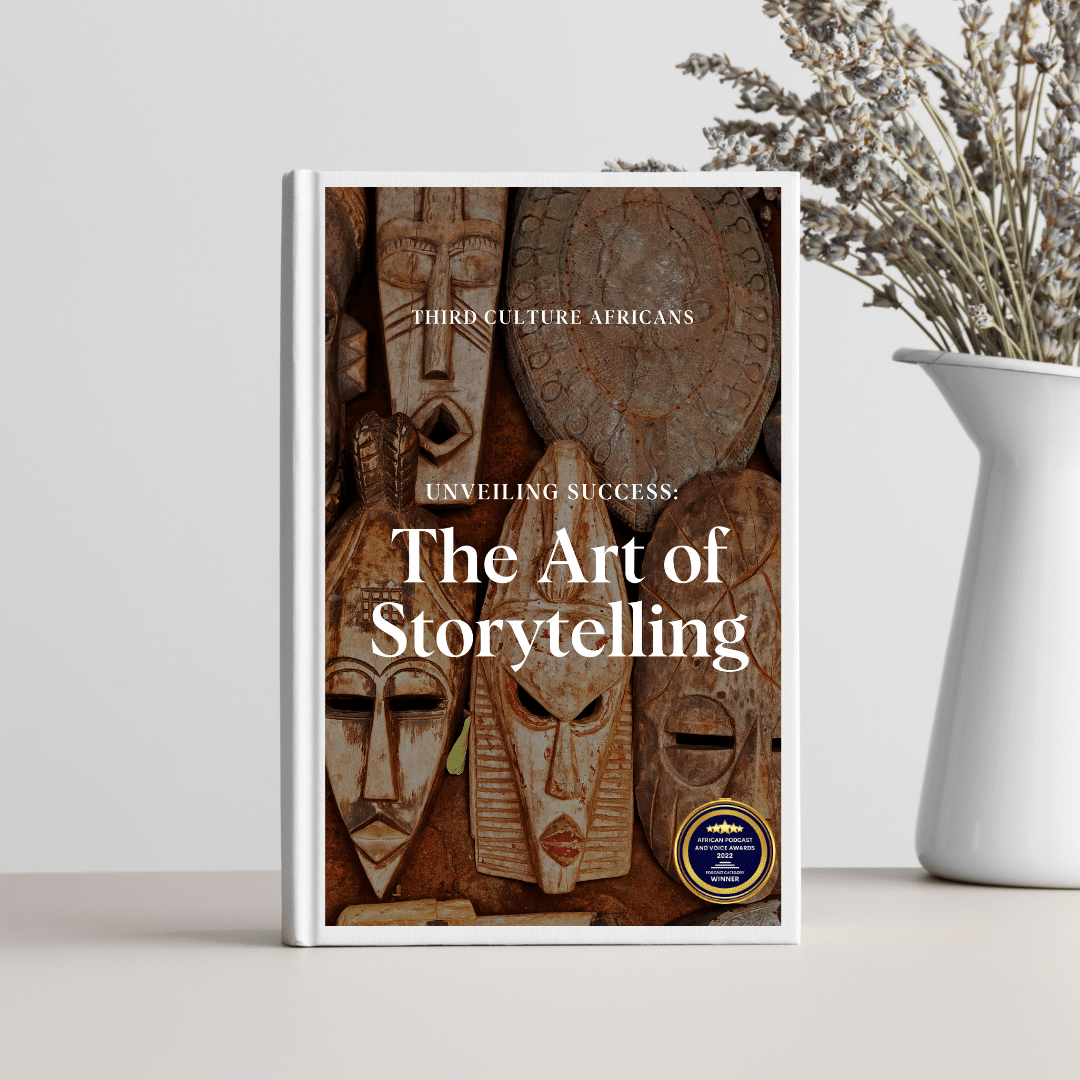
In today’s fast-paced world, the art of storytelling has emerged as a crucial skill, transcending traditional boundaries of literature and permeating various fields such as marketing, education, and public speaking. “How to Master Expressive Storytelling for Engaging Narratives” delves into the intricate techniques that elevate storytelling from simple recounting of events to powerful, immersive experiences. At its core, expressive storytelling harnesses emotional resonance, vivid imagery, and relatable characters to captivate audiences, forging connections that linger long after the narrative concludes. Whether you are a budding writer, a seasoned professional, or someone looking to enhance your communication skills, mastering the nuances of storytelling can significantly impact your ability to engage and inspire. This article provides practical strategies and insights into structuring compelling narratives, utilizing sensory details, and employing dynamic character development, all while maintaining authenticity and clarity. By understanding the principles of expressive storytelling, you will not only enhance your narrative skills but also enrich the experiences of your audience, transforming ordinary tales into unforgettable journeys. Join us as we explore the foundational elements of storytelling that resonate deeply and effectively engage listeners, creating an enduring imprint through the power of narrative.
Identify your main characters’ motivations clearly.
To ensure your main characters resonate with readers, it’s essential to articulate their motivations in a distinct and compelling manner. Begin by asking yourself what drives each character—whether it’s ambition, love, revenge, or the desire for redemption. These motivations should influence their decisions and actions throughout the story, creating a sense of cohesion and purpose. Provide backstories that reveal how these motivations have shaped their personalities and life choices, allowing readers to understand their inner conflicts and aspirations.
Additionally, consider how motivations can evolve throughout the narrative, reflecting character growth or regression. Craft pivotal moments that test these motivations, forcing your characters to confront their desires and fears. By embedding clear motivations into your character arcs, you create a more dynamic and relatable story that invites readers to invest emotionally in the characters’ journeys.
Use dialogue strategically to provide insight into your characters' personalities and motivations. The way a character speaks—be it formal, casual, sarcastic, or hesitant—can reveal their social status, education level, and emotional state.
Use vivid imagery to enhance emotions.
To evoke deep emotional responses, employ vivid imagery that paints a detailed picture in the reader’s mind. Instead of simply stating how a character feels, describe the setting and sensations that amplify their emotions. For instance, rather than saying “she was sad,” depict her standing in a gray, rain-soaked landscape, the chill seeping into her bones, as the heavy drops mirror the tears on her cheeks. Such imagery immerses readers in the character’s experience, allowing them to feel the weight of her sorrow viscerally.
Incorporate sensory details—sights, sounds, smells, textures, and tastes—to create a richer tapestry of emotion. If a character is experiencing joy, illustrate their laughter ringing like bells, their heart racing as the warmth of sunlight baths them in a golden glow. The more concrete and sensory the imagery, the more impactful the emotional experience will be for the reader. As you build these scenes, aim to connect emotions with physical sensations, allowing readers to not just understand but truly feel what the characters are going through.
Incorporate dialogue to reveal personality.
Use dialogue strategically to provide insight into your characters’ personalities and motivations. The way a character speaks—be it formal, casual, sarcastic, or hesitant—can reveal their social status, education level, and emotional state. For instance, a character who consistently uses slang and humor may come across as laid-back and approachable, while another who speaks in clipped, precise sentences might project authority or detachment. Craft conversations that reflect their backgrounds and experiences, allowing readers to draw conclusions about who they are based on their interactions with others.
Additionally, incorporate subtext in dialogue to add depth to character interactions. Sometimes, what’s left unsaid speaks volumes. A character might say, “Sure, I’ll help you with that,” but their tone and body language could hint at reluctance or resentment. Using pauses, interruptions, and emotional reactions during conversations can further illuminate personality traits and interpersonal dynamics. By layering dialogue with intention, you create memorable characters that resonate with readers, inviting them to engage more deeply with the narrative.

Check Out Our Podcast!
Create conflict to drive the narrative.
Introduce tension between your characters early in the story to establish a sense of conflict that fuels the narrative. Whether it’s a rivalry, a secret, or opposing goals, the friction that arises from these relationships can serve as a powerful engine for your plot. For example, if two characters are vying for the same promotion, their interactions will be charged with competition and urgency. This conflict not only keeps readers engaged but also provides opportunities for character development as they confront their challenges and evolve in response to their circumstances.
As the story progresses, escalate the conflict by introducing obstacles that force your characters to make difficult choices. These choices should reflect their values and priorities, revealing deeper layers of their personalities while driving the action forward. Perhaps a character must choose between loyalty to a friend or pursuing their own ambitions, presenting them with moral dilemmas that resonate with the audience. By continually raising the stakes, you create a dynamic narrative that captivates readers and compels them to invest emotionally in the outcomes of your characters’ struggles.
Edit ruthlessly for clarity and impact.
To enhance the effectiveness of your narrative, focus on clarity by trimming any unnecessary words or phrases. Review each sentence, asking whether every word serves a purpose in advancing the story or developing characters. If a sentence feels convoluted or overloaded with descriptions, consider simplifying it or breaking it into shorter, more digestible parts. This process will not only sharpen your prose but also allow readers to grasp the essence of your story without distraction.
Additionally, prioritize impact by ensuring that your word choices resonate with the emotions and themes you wish to convey. Replace vague or generic terms with precise language that evokes strong imagery or feelings. For instance, rather than stating a character is “upset,” describe their clenched fists or the tremor in their voice. Such vivid details can elevate a moment from mundane to memorable, drawing readers deeper into the emotional landscape of your narrative. By editing with these goals in mind, you can craft a story that engages and resonates with your audience on a profound level.
In conclusion, mastering expressive storytelling is an invaluable skill that can transform your narratives from merely informative to truly engaging. By incorporating vivid imagery, relatable characters, and emotional depth, you invite your audience to not just read your story, but to experience it alongside you. Remember to practice active listening to understand what resonates with your audience, and don’t shy away from experimenting with different styles and techniques. With dedication and creativity, you can refine your storytelling abilities, making each narrative a captivating journey that leaves a lasting impression. So go ahead, embrace your unique voice, and let your stories unfold in a way that captivates and inspires!
FAQ
Create Pacing That Builds Anticipation
To create pacing that builds anticipation, start by establishing a strong hook to engage the audience. Gradually unveil crucial details, using cliffhangers or suspenseful moments to heighten tension. Alternate between slower, reflective scenes and faster, action-driven sequences to maintain interest. Employ foreshadowing to hint at future events, keeping readers eager for resolution. Utilize varied sentence lengths and structures to control rhythm, making key moments stand out. Finally, allow for brief pauses or moments of silence before major revelations, creating a sense of breathlessness and leading to a satisfying climax that fulfills the built-up anticipation.
What are the key elements of expressive storytelling that can captivate an audience and keep them engaged throughout a narrative?
Key elements of expressive storytelling include relatable characters that evoke empathy, a compelling plot with conflict and resolution, vivid sensory details that create a strong atmosphere, and a unique voice or tone that resonates with the audience. Emotional depth allows for connection, while pacing maintains suspense and interest. Additionally, incorporating themes that provoke thought or reflection can enhance engagement. Effective dialogue adds realism and can reveal character traits, while a satisfying conclusion ties the narrative together, leaving a lasting impression. Combining these elements creates a rich, immersive experience that captivates and holds the audience’s attention.
How can the use of vivid imagery and sensory details enhance the emotional impact of a story and draw readers or listeners into the experience?
Vivid imagery and sensory details immerse readers in a story, allowing them to visualize scenes, feel emotions, and engage with characters on a deeper level. By appealing to the senses—sight, sound, smell, taste, and touch—authors create a rich tapestry that evokes specific feelings and memories. This enhances emotional resonance, making experiences more relatable and impactful. Readers can better empathize with characters’ struggles and triumphs, fostering a connection that keeps them invested in the narrative. Ultimately, this technique transforms abstract emotions into tangible experiences, drawing readers or listeners into the heart of the story.
In what ways can character development and relatable motivations contribute to the effectiveness of an expressive narrative?
Character development and relatable motivations enhance the effectiveness of an expressive narrative by creating deeper emotional connections between the audience and the characters. Well-developed characters with authentic motivations evoke empathy, making their struggles and triumphs more impactful. These elements encourage readers to invest in the characters’ journeys, fostering a sense of realism and resonance. As audiences see their own experiences reflected in the characters’ choices and growth, the narrative becomes more engaging and meaningful, ultimately enriching the overall storytelling experience. This connection drives the emotional weight of the narrative, making it memorable and thought-provoking.
What techniques can storytellers use to create tension and suspense, ensuring that their audience remains invested in the unfolding story?
Storytellers can create tension and suspense through techniques such as pacing, cliffhangers, and foreshadowing. Varying sentence length can enhance urgency, while strategic delays in revealing information keeps audiences guessing. Employing unreliable narrators can create doubt and intrigue. Utilizing vivid imagery and sensory details immerses the audience, heightening emotional stakes. Introducing high-stakes conflicts and placing characters in perilous situations also amplifies suspense. Additionally, intertwining subplots can create complexity, maintaining interest as primary storylines unfold. Ultimately, maintaining a balance between revelation and mystery ensures the audience remains engaged throughout the narrative.
How can the pacing and structure of a narrative be manipulated to enhance engagement and maintain the audience's interest from beginning to end?
Pacing and structure can be manipulated by varying sentence length, using cliffhangers, and alternating between high-tension scenes and quieter moments to create rhythm. Employing a nonlinear narrative can also keep the audience intrigued by revealing information gradually. Incorporating subplots enriches the main storyline, while strategic foreshadowing builds anticipation. Additionally, starting with a compelling hook and ending with a strong resolution ensures sustained interest. Engaging character development allows readers to invest emotionally, while thematic depth encourages contemplation, maintaining engagement throughout the narrative.