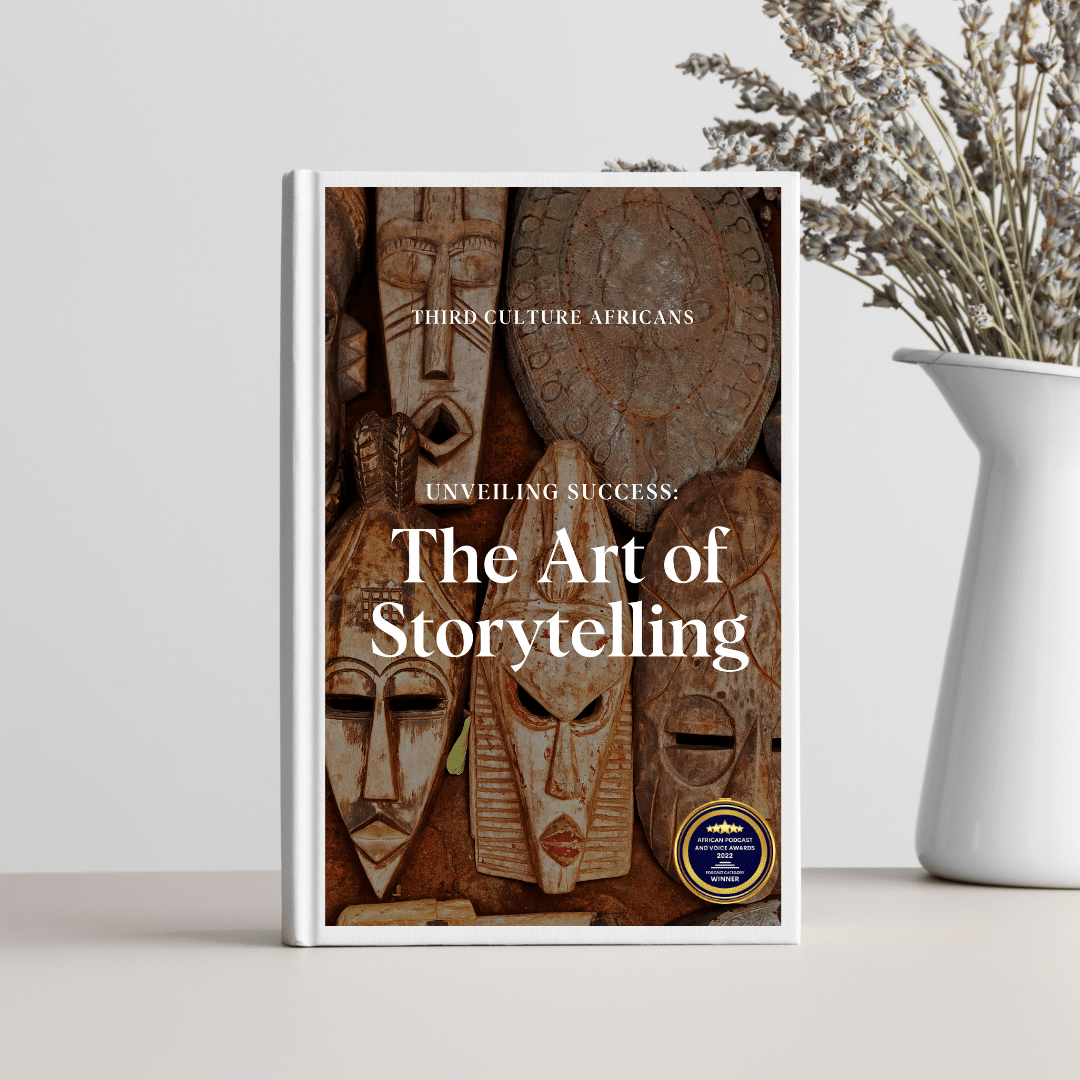
In an age where attention spans dwindle and content saturation reigns, the art of storytelling has emerged as a pivotal skill for engaging audiences across various platforms. “Step-by-Step Guide to Crafting Captivating Expressive Storytelling” serves as a comprehensive resource for individuals seeking to hone their narrative abilities. This guide delves into the essential components of effective storytelling, offering a structured approach that transforms ideas into compelling narratives. By examining the techniques employed by master storytellers, readers will discover how to evoke emotions, build relatable characters, and create immersive settings that draw audiences in. The guide emphasizes the importance of structure, rhythm, and voice, highlighting how these elements can be wielded to enhance the storytelling experience. Whether one is a seasoned writer, a marketing professional, or an aspiring creator, this article provides invaluable insights into the mechanics of storytelling that resonate. Through a series of actionable steps, readers will be equipped to craft their own expressive narratives that not only capture attention but also leave a lasting impression. By the end of this guide, they will possess the tools necessary to elevate their storytelling endeavors, ensuring their messages are both impactful and memorable.
Identify a compelling story concept.
To create a compelling story concept, one must begin by exploring the depths of human experience and emotion. This involves asking critical questions that uncover universal themes, such as love, loss, conflict, and redemption. By delving into personal experiences or current societal issues, a storyteller can generate ideas that resonate with a broad audience. It’s essential to focus on unique perspectives or untold stories that can spark curiosity, prompting readers to invest their time and emotions into the narrative.
Moreover, effective story concepts often arise from a fusion of character, setting, and conflict. By developing a well-rounded protagonist with relatable motivations and flaws, the story gains depth and authenticity. Placing this character in an engaging setting that complements the theme can enhance the overall impact. Lastly, incorporating a central conflict that challenges the protagonist allows for dynamic storytelling, providing opportunities for growth and transformation. This careful interplay of elements ensures that the story concept not only captivates but also leaves a lasting impression.
To devise an engaging narrative, writers should establish a clear structure that guides the progression of the story while maintaining reader interest.
Develop relatable characters for engagement.
Crafting characters that resonate with readers involves understanding their desires, fears, and complexities. Writers should focus on creating multidimensional personalities with relatable traits and struggles. This can be achieved by giving characters clear motivations, allowing their goals and conflicts to mirror those faced by real people. It’s important to showcase vulnerability, as characters who grapple with imperfections often evoke empathy and connection. By weaving personal flaws and unique quirks into their narratives, authors create individuals that readers can see themselves in, fostering a deeper emotional investment.
Furthermore, placing these characters in realistic situations that challenge their beliefs and values enriches the narrative. Storytellers should explore the characters’ backstories, revealing pivotal moments that shaped their identities and choices. This depth helps audiences form a bond with the characters, making their journeys more impactful. Engaging dialogue and authentic interactions can further enhance relatability, as characters navigate their relationships and confront obstacles. Ultimately, the key lies in creating individuals who reflect the complexities of human nature, inviting readers to engage not just with the story, but with the characters themselves.
Create a captivating story structure.
To devise an engaging narrative, writers should establish a clear structure that guides the progression of the story while maintaining reader interest. Beginning with a compelling hook, the opening should introduce key characters and present a central conflict that compels the audience to turn the pages. This initial setup needs to immerse readers in the world of the story, sparking curiosity and investment right from the start. As the plot unfolds, the writer should incorporate rising action that gradually intensifies the stakes, presenting obstacles that challenge the characters and deepen their motivations.
As the climax approaches, the tension should reach its peak, leading to pivotal moments of revelation or choice that can alter the characters’ trajectories. Following the climax, the resolution allows for reflection, tying up loose ends while providing closure to the characters’ arcs. A well-structured story balances excitement and emotional depth, ensuring that readers not only follow the plot but also feel the weight of the characters’ experiences. By carefully crafting each segment of the narrative, writers can create a tapestry that captivates and resonates long after the final page is turned.

Check Out Our Podcast!
Use vivid imagery to enhance storytelling.
Writers should immerse their audience in the narrative by painting vivid imagery that appeals to the senses. Descriptive language allows readers to visualize the scene, feel the textures, hear the sounds, and even smell the surrounding atmosphere. For instance, instead of simply stating that a character walked through a forest, a writer might describe how sunlight filters through the leaves, casting dappled shadows on the forest floor, while the crisp scent of pine needles fills the air. This level of detail not only brings the setting to life but also evokes emotions, drawing the reader deeper into the experience.
Incorporating specific, evocative details allows readers to form a stronger connection with the characters and the story itself. A writer may illustrate a character’s emotional state through their surroundings, such as depicting a stormy sky reflecting their turmoil, or a bright, blooming garden mirroring their hope. By using striking imagery, the writer crafts a more immersive world that resonates with the reader, enhancing the overall storytelling experience and making each moment memorable.
Edit and refine for clarity.
Individuals should meticulously review their work to enhance clarity and coherence. This process involves scrutinizing every sentence, ensuring that each word serves a purpose and contributes to the overall narrative. The writer can eliminate any superfluous phrases or repetitive thoughts that might distract the reader. By breaking down complex sentences into more straightforward constructs, the clarity of the message will improve, allowing the audience to engage more fully with the story.
Furthermore, the writer should consider the flow and structure of the narrative. Transition words and phrases can be employed to guide the reader through the text seamlessly. When refining the content, it’s essential to maintain consistency in tone and voice, as this helps establish a clear connection with the audience. By revising and polishing the prose until it is concise and impactful, the writer enables the reader to focus on the story’s emotional core, enriching their overall experience.
In conclusion, mastering the art of captivating expressive storytelling requires a blend of creativity, structure, and emotional resonance. By following the step-by-step guide outlined in this post, aspiring storytellers can develop their unique voice and engage their audiences more deeply. From brainstorming compelling ideas to refining characters and crafting vivid settings, each element plays a crucial role in bringing a narrative to life. With practice and dedication, anyone can transform their storytelling skills and create unforgettable tales that resonate with listeners and readers alike. Ultimately, the journey of storytelling is not just about the end product; it’s about the connection it fosters between the storyteller and their audience.