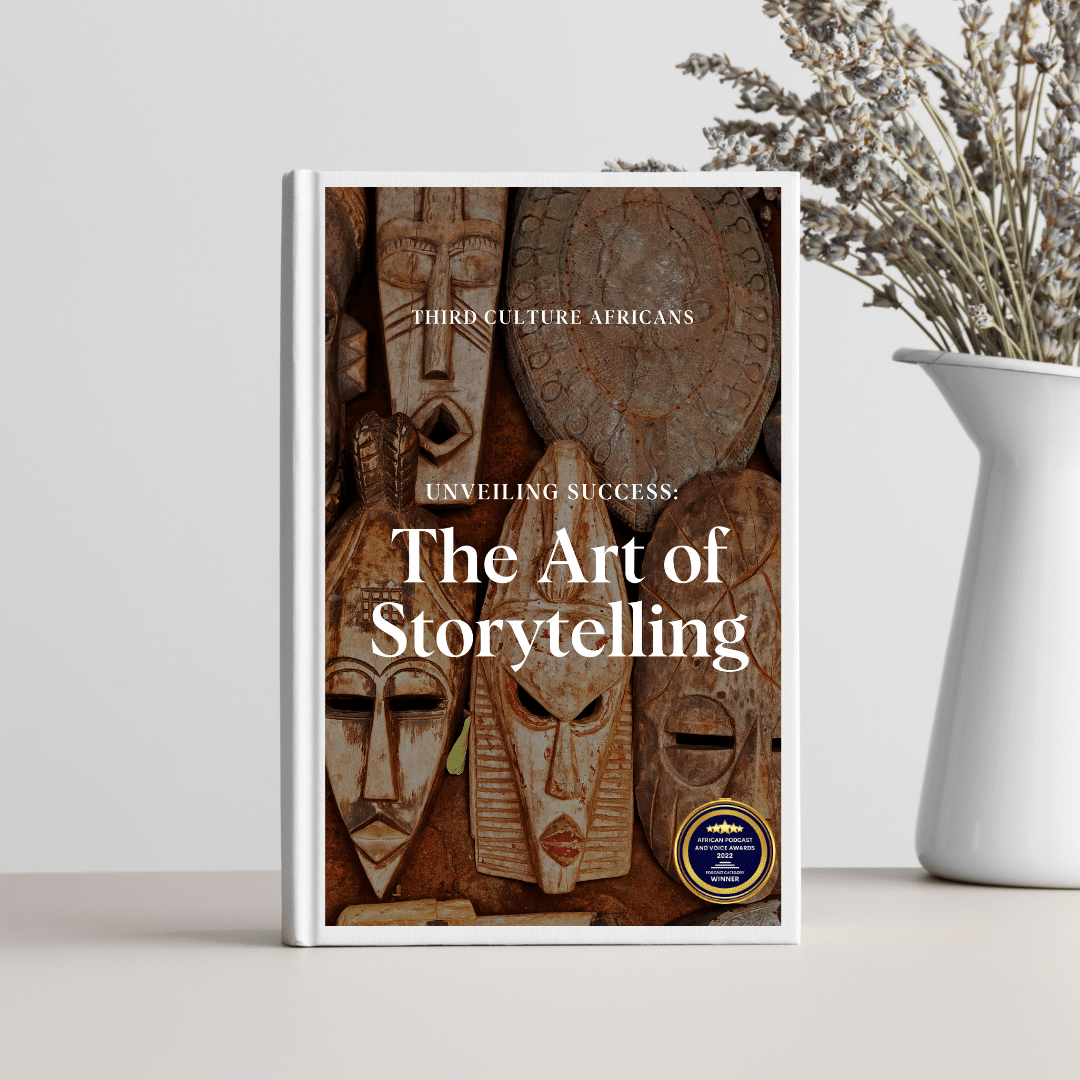
The evolution of mystery narratives reflects a rich tapestry of literary techniques that have captivated readers for centuries. From the early works of Edgar Allan Poe, who is often heralded as the father of the modern detective story, to the intricate plots of contemporary writers like Gillian Flynn, the genre has undergone significant transformation.
This article explores the various stylistic and structural innovations that have shaped mystery narratives over time. By examining key works and their authors, it aims to illuminate how narrative devices such as unreliable narrators, non-linear timelines, and layered character development have enhanced the complexity and engagement of mystery fiction.
Additionally, it considers the socio-cultural factors that influenced these literary techniques, revealing how societal shifts have shaped readers’ expectations and authors’ approaches to storytelling. As the genre continues to evolve in response to technological advancements and changing reader demographics, understanding its historical context and literary mechanics becomes ever more vital.
This study not only highlights the artistry involved in crafting compelling mysteries but also underscores the ongoing dialogue between tradition and innovation that defines this enduring literary form.
Through this exploration, readers will gain insight into the profound impact of narrative techniques on the allure and longevity of mystery literature.
Historical Context of Mystery Narratives Explored
The emergence of mystery narratives can be traced back to the intricate social dynamics and cultural anxieties of their respective periods. Initially rooted in folklore and oral traditions, these narratives often reflected the mysteries of life and the human condition, encapsulating societal fears, moral dilemmas, and the pursuit of truth.
The transition to written forms of mystery in the 19th century marked a notable shift, as industrialization and urbanization prompted a heightened interest in crime and the psychological complexities of human behavior.
Authors such as Edgar Allan Poe and Arthur Conan Doyle not only pioneered the genre but also adapted their storytelling techniques to address the changing societal landscape, intertwining elements of rational deduction with the darker facets of human nature.
As the genre progressed into the 20th century, the historical context continued to shape its narratives, with two world wars and significant social upheavals influencing themes and character development. The rise of detective fiction during this period often mirrored a burgeoning fascination with psychological depth, reflecting broader existential questions and the turmoil of contemporary life.
Mystery narratives became increasingly sophisticated, employing unreliable narrators and non-linear plots to challenge readers’ perceptions of truth and justice. This evolution illustrates how mystery narratives not only serve as entertainment but also as a lens through which the complexities of human experience and societal changes can be examined.
In mystery literature, character archetypes play a pivotal role in shaping narrative structure and reader engagement. The archetypal detective, often characterized by keen observational skills and a profound sense of justice, serves as the central figure through whom the complexities of the plot unfold.
Key Literary Techniques in Development
The development of mystery narratives is marked by the strategic use of various literary techniques that enhance both storytelling and thematic depth. Foreshadowing serves as a pivotal technique, subtly hinting at future events, thereby engaging readers and building suspense.
This anticipatory structure not only captivates the audience but also invites them to participate in the unfolding mystery. Additionally, unreliable narrators emerge as a prominent device, challenging readers’ perceptions and prompting a critical examination of truth and perspective.
By placing trust in characters who may not fully convey reality, authors create layers of complexity that reflect the intricacies of human psychology and morality.
Furthermore, the interplay of setting and atmosphere plays a crucial role in establishing tone and enhancing the narrative’s tension. Dark, evocative environments often mirror the internal conflict of characters and heighten the stakes of the mystery.
Additionally, employing multiple points of view allows for a richer exploration of the narrative, giving voice to diverse perspectives and motivations that complicate the quest for resolution. These literary techniques collectively contribute to the genre’s ability to evolve, maintaining its relevance in reflecting contemporary anxieties and the perennial search for truth within the human experience.

Check out this podcast!
Influence of Cultural Shifts Analyzed
Cultural shifts significantly influence the themes and structures of mystery narratives, reflecting societal values and anxieties. As societal norms evolve, so too do the archetypes and motivations of characters within these narratives.
For instance, the emergence of feminist movements has led to the portrayal of strong female protagonists who challenge traditional roles, thereby reshaping the dynamics of agency within the genre. These characters often navigate complex moral landscapes, confronting issues of identity, power, and justice, which resonate deeply with contemporary audiences.
Moreover, the integration of technology and globalization into mystery narratives reveals a changing landscape of crime and investigation. As communication methods and societal structures transform, narratives increasingly incorporate elements such as cybercrime and multicultural perspectives, broadening the scope of traditional mysteries.
This adaptation not only reflects the realities of modern life but also invites readers to engage with larger questions of ethics and societal impact. Through this lens, the analysis of cultural shifts illuminates the ways in which mystery narratives serve as a narrative mirror to the evolving human experience.
Character Archetypes in Mystery Literature
In mystery literature, character archetypes play a pivotal role in shaping narrative structure and reader engagement. The archetypal detective, often characterized by keen observational skills and a profound sense of justice, serves as the central figure through whom the complexities of the plot unfold.
This character is frequently juxtaposed with a variety of antagonistic figures, including the enigmatic perpetrator, whose motivations may range from greed to revenge. The interplay between these archetypes fosters a tension that drives the narrative forward, inviting readers to engage with the unfolding mystery as they seek clues and construct potential resolutions.
Additionally, the presence of supporting characters such as the sidekick, the informant, or even the red herring adds layers of complexity to the narrative. These archetypes serve not only to provide comedic relief or serve as a sounding board for the detective but also to enrich the thematic elements of the story.
For instance, a morally ambiguous informant might challenge the detective’s ethical boundaries, prompting a deeper exploration of themes such as loyalty and betrayal.
Through these diverse character archetypes, mystery literature creates a multifaceted tapestry that reflects not only the intricacies of criminal behavior but also the underlying societal issues that permeate the genre.

Check out this episode!
Future Trends in Mystery Narratives Predicted
Emerging trends in mystery narratives indicate a shift towards more innovative storytelling techniques and complex character development. The incorporation of technology, particularly artificial intelligence and digital forensics, is poised to transform the investigative process within these narratives, allowing for a more intricate and realistic portrayal of crime-solving.
Such advancements not only enrich the plot but also challenge traditional notions of the detective’s role, as collaboration with digital tools becomes integral to unraveling intricate mysteries.
Moreover, contemporary mysteries are increasingly embracing diverse perspectives, reflecting societal changes and encouraging inclusivity. Narratives that foreground marginalized voices and experiences provide fresh angles on familiar tropes, thereby expanding the genre’s appeal.
This transformation invites readers to engage with multifaceted characters and plots that transcend binary notions of good and evil, fostering a more nuanced understanding of morality within the framework of mystery. As these trends continue to evolve, they promise to redefine reader expectations and the overall landscape of mystery literature.
In summary, the evolution of mystery narratives reflects a rich tapestry of literary techniques that have adapted to the shifting tastes and cultural contexts of readers over time.
From the intricate plotting of early detective fiction to the psychological depth found in contemporary thrillers, these narratives have continually reinvented themselves, borrowing elements from various genres while maintaining their core appeal of suspense and intrigue.
The analysis presented underscores the significance of character development, narrative structure, and thematic exploration in shaping the reader’s experience. Ultimately, the study of mystery narratives not only illuminates the artistry behind their creation but also highlights their enduring relevance in engaging audiences and stimulating critical thought within the literary landscape.