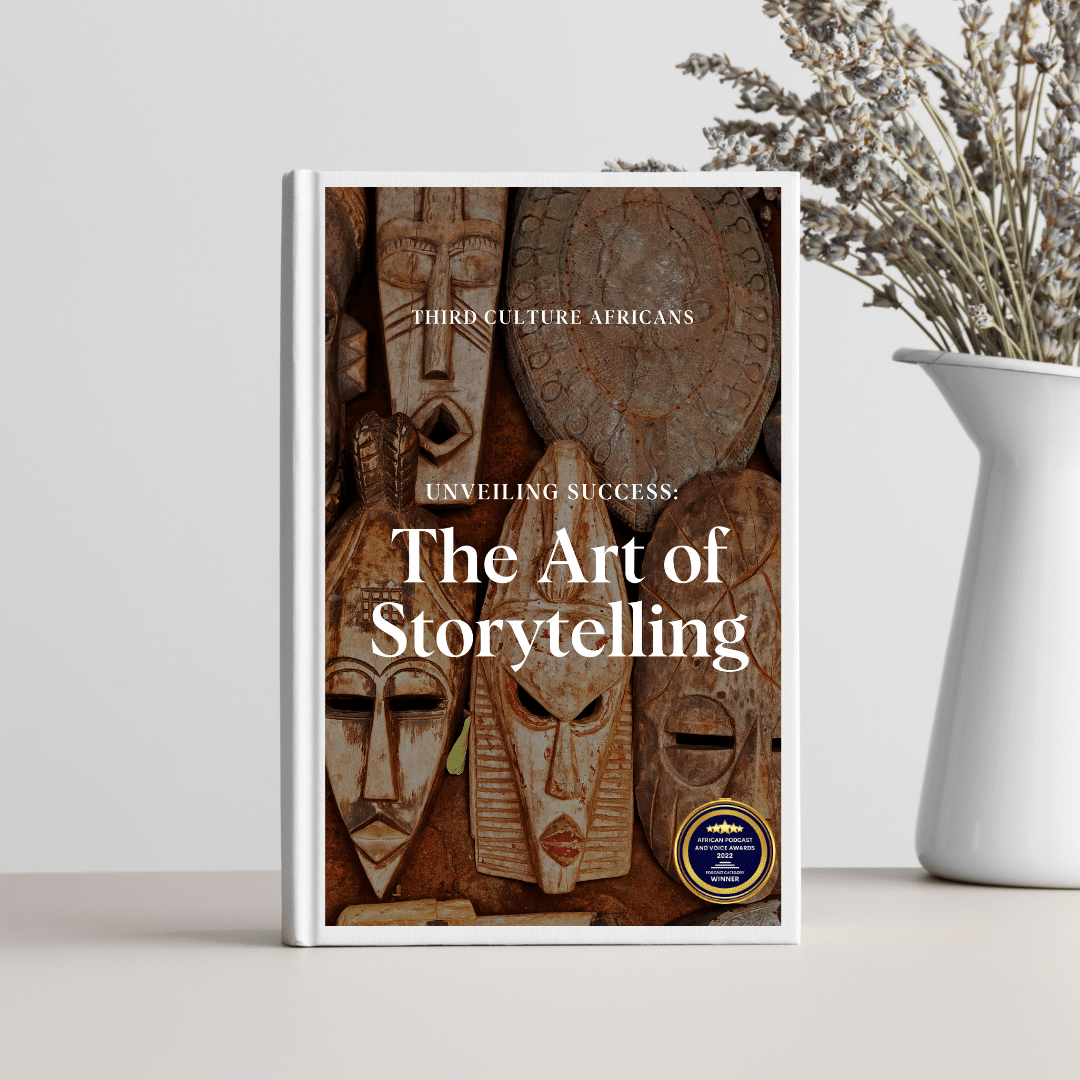
In an age where information is abundant yet attention spans are fleeting, the art of expressive storytelling emerges as an invaluable skill for writers, marketers, educators, and communicators alike. This article delves into the techniques that elevate narratives from mere sequences of events to captivating experiences that resonate with audiences on multiple levels. By exploring the foundational elements of storytelling, such as character development, emotional depth, and vivid imagery, readers will gain insight into how to craft narratives that not only inform but also inspire and engage. The power of a well-told story lies in its ability to bridge the gap between the storyteller and the audience, fostering a connection that transcends words. Through a combination of practical strategies and illustrative examples, this article aims to equip individuals with the tools necessary to master the nuances of expressive storytelling. Whether one is seeking to enhance their writing skills or to communicate ideas more effectively, understanding the techniques behind compelling narratives is crucial in today’s fast-paced world. As the following sections unfold, readers will discover the transformative potential of storytelling and how it can be harnessed to create memorable and impactful narratives that leave a lasting impression.
Understanding the core elements of storytelling enhances narrative effectiveness.
At the heart of effective storytelling lies a comprehensive grasp of its fundamental elements, which include character, plot, setting, conflict, and theme. Each component plays a vital role in constructing a narrative that resonates with audiences. Characters must be well-developed and relatable, allowing readers or viewers to form emotional connections and invest in their journeys. The plot serves as the backbone of the story, guiding the audience through a structured sequence of events that build tension and foster engagement. An evocative setting further enhances the narrative by providing context and atmosphere, immersing the audience in the world created by the storyteller.
Conflict serves as the catalyst for character development and plot progression, driving the narrative forward and maintaining audience interest. By incorporating universal themes, storytellers can evoke deeper reflections on human experiences, making their narratives not only entertaining but also thought-provoking. Mastery of these core elements ensures that a story is not merely a collection of events, but a cohesive and compelling tapestry that captivates the audience, prompting them to reflect on the underlying messages and emotions conveyed throughout the storytelling experience.
Achieving the right pacing in a narrative is crucial for sustaining reader engagement. When a story skillfully alternates between fast-paced action and moments of introspection, it allows readers to absorb the emotional weight of events while staying invested in the plot's momentum.
Creating relatable characters captivates audience interest and empathy.
Characters imbued with relatable traits and experiences foster a sense of connection that can draw audiences into the narrative. When individuals see aspects of themselves reflected in the characters—be it through struggles, aspirations, or moral dilemmas—they are more likely to invest emotionally in their journeys. This connection enhances empathy, as readers or viewers become more attuned to the characters’ emotions and decisions, ultimately leading to a more immersive storytelling experience.
Furthermore, relatable characters often embody flaws and vulnerabilities, making them more human and accessible. This authenticity allows audiences to navigate their own feelings and experiences alongside the characters, creating a shared journey of growth and understanding. As these characters face challenges and evolve, they not only captivate the audience’s interest but also encourage reflective thought on personal and societal issues, enriching the overall narrative. Thus, the emotional resonance created through relatable characters is crucial in crafting compelling stories that leave a lasting impact.
Utilizing vivid imagery paints immersive scenes in readers' minds.
Vivid imagery serves as a powerful tool in storytelling, enabling authors to craft immersive scenes that transport readers into the heart of the narrative. By employing descriptive language that appeals to the senses, writers can evoke sights, sounds, smells, tastes, and textures that allow the audience to experience the story on a more visceral level. Through the meticulous selection of words and phrases, an author can create a rich tapestry of details that not only set the scene but also convey the emotions and moods of the characters involved. This depth of description encourages readers to visualize the environment, making it easier for them to become emotionally and psychologically invested in the unfolding events.
Moreover, the use of vivid imagery can enhance the thematic elements of a story by symbolically linking the physical surroundings to the characters’ inner conflicts or transformations. For instance, a stormy landscape might mirror a character’s turbulent emotions, while a tranquil garden may symbolize hope and rejuvenation. Such connections deepen the reader’s engagement and foster a greater understanding of the narrative’s underlying messages. Ultimately, the artful application of vivid imagery not only enriches the storytelling experience but also allows for a more profound exploration of the human condition, inviting readers to reflect on their own experiences and emotions.
Incorporating conflict drives tension and keeps readers engaged throughout the story.
Conflict is a fundamental element in storytelling that propels the narrative forward and maintains reader interest. It introduces obstacles and challenges that characters must navigate, thereby creating a sense of urgency and suspense. The tension generated by conflict not only showcases the characters’ resilience and growth but also invites readers to invest emotionally in their journeys. As characters confront internal or external struggles, the stakes are raised, compelling readers to turn the pages in anticipation of resolution or further complications.
Furthermore, the presence of conflict invites exploration of deeper themes such as morality, identity, and relationships. By weaving various types of conflict—be it man versus man, man versus nature, or man versus self—authors can create a rich tapestry that resonates with readers on multiple levels. This layered approach not only enhances the emotional depth of the narrative but also encourages readers to reflect on their own experiences and beliefs. Ultimately, the intertwining of conflict with character development and thematic exploration is what keeps readers engaged, ensuring that the story remains dynamic and impactful until the very end.

Check Out Our Podcast!
Mastering pacing balances action and reflection, maintaining reader interest.
Achieving the right pacing in a narrative is crucial for sustaining reader engagement. When a story skillfully alternates between fast-paced action and moments of introspection, it allows readers to absorb the emotional weight of events while staying invested in the plot’s momentum. Rapid sequences of action can evoke excitement and tension, drawing readers into the immediacy of the narrative. In contrast, reflective passages provide necessary breathing room, allowing both characters and readers to process experiences, understand motivations, and explore underlying themes. This balance fosters a more immersive reading experience, as it mirrors the ebb and flow of real-life emotional responses to events.
Moreover, an effective pacing strategy can be leveraged to heighten suspense and anticipation. By strategically placing reflective moments after significant action, authors can amplify the impact of pivotal scenes. This interplay not only cultivates a deeper connection between the reader and the characters but also enriches the overall narrative structure. When readers are afforded moments to reflect, they are prompted to engage with the story on a more profound level, leading to a lasting impression long after they have turned the final page. As such, mastering pacing is essential for any storyteller aiming to create an engaging and memorable narrative.
Using dialogue effectively reveals character traits and advances the plot.
Dialogue serves as a powerful tool for authors, enabling them to not only delineate character traits but also to propel the narrative forward. When characters engage in conversation, their unique voices, speech patterns, and choices of words convey essential aspects of their personalities, backgrounds, and motivations. For instance, a character who uses formal language may indicate a background steeped in education or tradition, while colloquial speech might suggest familiarity and approachability. These nuances enrich the characters, allowing readers to form connections and gain insights into their complexities, thereby enhancing the overall storytelling.
In addition to character development, dialogue is instrumental in advancing the plot. When characters articulate their goals, conflicts, and desires in conversation, they create tension and set the stage for future events. For example, a heated exchange can ignite a conflict, creating ripples that impact other characters and lead to unforeseen consequences. Furthermore, moments of revelation or misunderstanding conveyed through dialogue can serve as critical turning points in the narrative, driving the story toward its climax. By intertwining character traits with plot progression through dialogue, authors cultivate a dynamic narrative landscape that keeps readers engaged and invested in the unfolding drama.
Employing foreshadowing builds anticipation and deepens narrative complexity.
Foreshadowing is an essential narrative device that subtly hints at events to come, creating a layer of anticipation that engages readers more deeply in the story. By planting clues or signals early on, authors can guide readers toward expected outcomes while simultaneously encouraging them to remain vigilant and attentive to the unfolding plot. This technique not only heightens emotional investment but also enriches the reading experience as individuals begin to piece together the narrative puzzle, often reflecting on earlier moments with newfound understanding as the story progresses.
Furthermore, foreshadowing contributes to narrative complexity by weaving threads of interconnectivity throughout the story. When elements introduced at the beginning of the narrative resonate with later developments, they create a sense of cohesion and depth, enhancing the overall impact of the plot. Readers find themselves revisiting earlier passages with a sense of revelation, recognizing how seemingly innocuous details play pivotal roles in the characters’ arcs and the resolution of conflicts. This intricate layering of meaning encourages critical engagement and thoughtfulness, inviting readers to explore themes and character motivations on a more profound level.
Crafting a strong conclusion leaves a lasting impression on the audience.
A well-crafted conclusion serves as the final brushstroke on the canvas of storytelling, encapsulating the essence of the narrative and reinforcing its core themes. It provides a sense of closure, allowing the audience to reflect on the journey they have experienced. Through a powerful conclusion, authors have the opportunity to evoke emotional responses, leaving readers with a profound sense of satisfaction or contemplation. By skillfully tying together loose ends and reiterating key messages, the conclusion solidifies the story’s significance and ensures that it resonates long after the last page is turned.
Moreover, an impactful ending can inspire audiences to engage with the narrative on a deeper level, prompting them to consider its implications in their own lives. When readers are left with thought-provoking questions or a strong emotional tug, they are more likely to share their experiences and insights with others, creating a lasting ripple effect beyond the immediate context of the work. Thus, the conclusion becomes not just an ending but a powerful catalyst for continued reflection and discourse, ultimately solidifying the story’s place in the hearts and minds of its audience.
In conclusion, the art of expressive storytelling is a multifaceted skill that combines various techniques to create engaging narratives. By employing tools such as vivid imagery, relatable characters, and dynamic pacing, storytellers can captivate their audience and evoke emotional responses. The exploration of themes and the strategic use of dialogue further enrich the narrative, allowing for deeper connections between the story and its audience. As individuals continue to refine their storytelling abilities, they not only enhance their own creative expression but also contribute to a rich tapestry of shared human experience, ultimately reminding us of the power that stories hold in bridging gaps and fostering understanding among diverse perspectives.