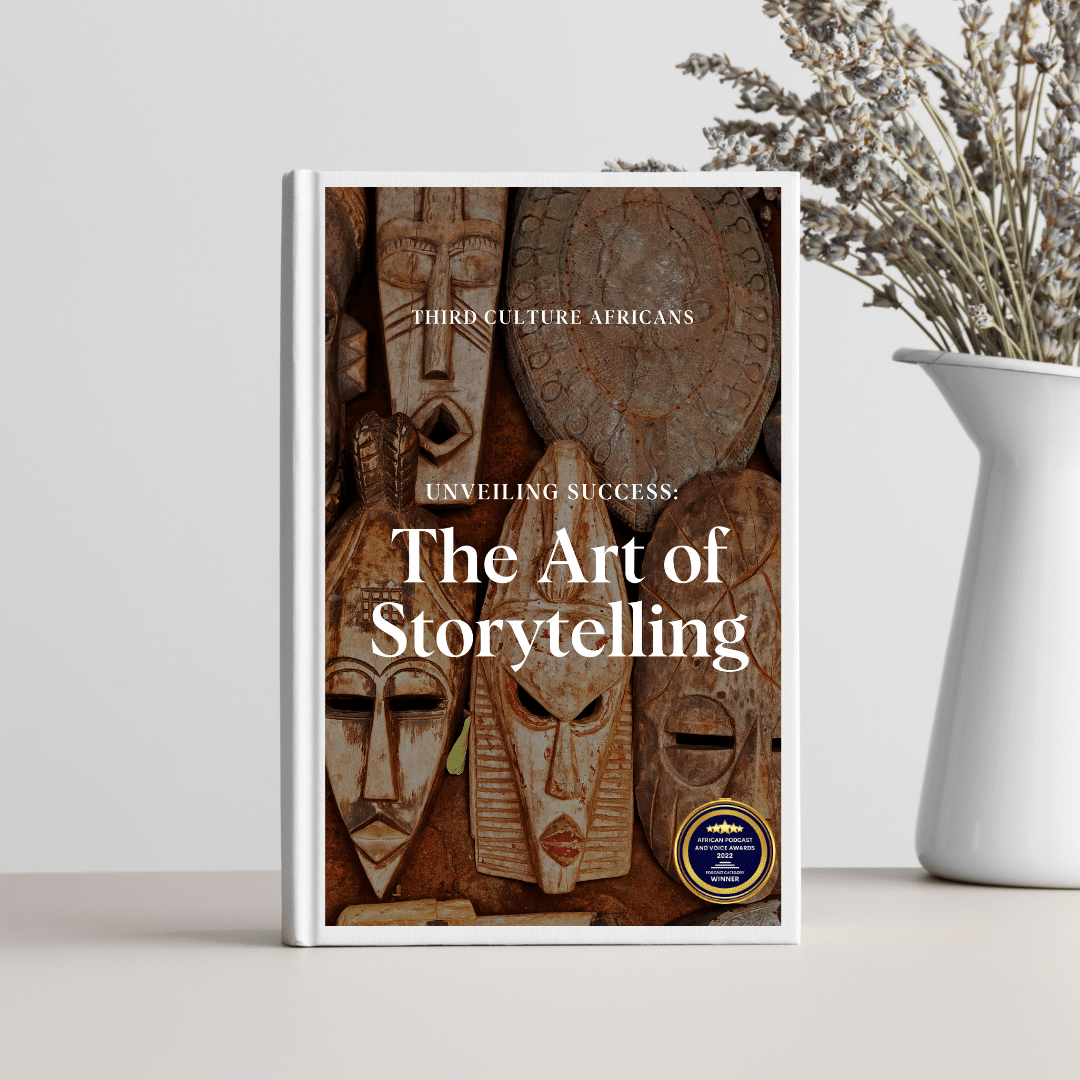
In the realm of literature, few genres captivate readers quite like mystery narratives. The allure of the unknown, coupled with the thrill of piecing together clues, creates an immersive experience that engages the intellect and emotions alike.
Crafting a captivating mystery narrative requires a delicate balance of intrigue, pacing, and character development. Authors must skillfully weave together complex plotlines, meticulously developing red herrings and unexpected twists that keep readers on the edge of their seats.
This article explores the essential elements that contribute to a compelling mystery, offering insights into effective storytelling techniques that enhance suspense and maintain reader engagement. From establishing an enigmatic setting to designing multifaceted characters, each component plays a crucial role in building a narrative that not only challenges the mind but also elicits an emotional response.
By examining the foundational principles of mystery writing, aspiring authors can learn to create narratives that not only entertain but also compel readers to unravel the secrets hidden within the text. This guide serves as a valuable resource for both novice and seasoned writers, aiming to elevate their craft and ensure their mystery tales leave an indelible mark on their audience.
Develop intriguing characters with secrets.
Creating characters with secrets adds layers of complexity and intrigue to any narrative. Each character should possess a hidden aspect of their past or a concealed desire that can be gradually revealed throughout the story.
These secrets should not only drive the plot forward but also influence the character’s motivations and relationships with others. As readers uncover these hidden truths over time, they become more engaged, eager to piece together the puzzle and understand the character’s true nature.
To effectively implement secrets, it is essential to weave subtle clues throughout the narrative. These hints can take the form of brief flashbacks, cryptic dialogue, or even the character’s internal monologue. Balancing the revelation of secrets is key; too much information too soon can diminish the suspense, while too little can frustrate the reader.
By carefully timing these revelations, the author creates a sense of anticipation, encouraging the reader to form their own theories and invest emotionally in the character’s journey.
Pacing plays a crucial role in shaping the reader's experience and enhancing engagement within a mystery narrative.
Create suspenseful plots with red herrings.
Incorporating red herrings is a powerful technique to heighten suspense and keep readers on their toes. A red herring is a distraction or false clue that diverts attention from the real issues at play, creating a labyrinth of possibilities.
To master this technique, the author must strategically place these misleading elements throughout the plot, ensuring they seem plausible enough to draw in readers’ suspicions. These red herrings can take many forms, including misdirected motives, deceptive character behaviors, or seemingly significant events that ultimately hold no real importance to the core mystery.
It’s crucial for the author to balance the presence of red herrings with genuine clues that lead to the ultimate resolution. The key lies in the skillful misdirection that keeps readers guessing without leading them to feel cheated when the truth is finally revealed.
By layering these distractions with authentic clues, the plot maintains an intricate dance of suspense, compelling readers to continuously reassess their assumptions while racing toward the story’s conclusion. This technique not only enhances the mystery but also engages the audience’s critical thinking, making each twist and turn feel both unexpected and satisfying.

Check out this podcast!
Build tension through unexpected twists.
Incorporating unexpected twists throughout the narrative is essential for maintaining tension and keeping readers engaged. Authors should aim to subvert expectations at critical moments, introducing unforeseen developments that not only shock but also deepen the story’s complexity.
When an event occurs that challenges the established understanding of the characters or the plot, it prompts readers to reassess their assumptions and encourages them to remain invested in the unfolding mystery. The unexpected twist should feel organic to the narrative, seamlessly weaving into the storyline while still providing a jolt that propels the reader forward.
To effectively execute these twists, careful planning and foreshadowing are paramount. Authors can drop subtle hints or clues that, upon reflection, make the twist feel both surprising and inevitable.
The surprise should be coupled with genuine emotional stakes, ensuring that readers are not only caught off guard but also feel the weight of the revelations. This careful balance creates a rich experience, drawing readers deeper into the narrative and keeping them yearning for resolution amidst the chaos of unexpected developments.
Use pacing to enhance reader engagement.
Pacing plays a crucial role in shaping the reader’s experience and enhancing engagement within a mystery narrative. By manipulating the rhythm of the story, authors can create moments of tension and suspense that compel readers to turn the pages.
To achieve this, it is essential to alternate between fast-paced sequences, filled with action and revelation, and slower, reflective moments that allow for character development and world-building. This ebb and flow can heighten anticipation, making readers eager to uncover the next clue while also providing them with the necessary breathing room to absorb the intricacies of the plot.
Additionally, authors should consider the use of cliffhangers at the end of chapters to maintain momentum and encourage readers to continue. By placing pivotal revelations or tense confrontations just before a chapter break, they instill a sense of urgency that compels readers to delve into the next chapter.
Strategic pacing not only keeps the narrative moving forward but also amplifies the emotional impact of key moments, drawing readers deeper into the story and ensuring they remain invested in the mystery until the very end.
Check out our Resource Library Page!
Craft compelling endings that surprise.
To create endings that leave readers both satisfied and astonished, authors should focus on planting subtle clues throughout the narrative that hint at the resolution without revealing it. This technique allows for a twist that feels both unexpected and earned.
By weaving in red herrings and layering complexity within character motivations, the outcome can flip the reader’s expectations while still aligning with the established story. The key lies in ensuring that the ending ties back to the thematic elements presented earlier, granting a sense of cohesion even amidst the surprise.
Furthermore, effective endings often benefit from an emotional component that resonates with the reader. By delving into the psychological intricacies of the characters, the author can craft scenarios that challenge initial perceptions.
As the final pieces fall into place, the revelation should evoke a strong emotional response—be it shock, relief, or even a bittersweet sense of justice. This emotional punch not only enhances the surprise but also leaves a lasting impression, making the narrative unforgettable.
In conclusion, crafting captivating mystery narratives that keep readers guessing requires a delicate balance of intrigue, pacing, and character development.
By employing techniques such as planting subtle clues, building tension through unexpected twists, and creating well-rounded characters with secrets, writers can engage their audience from start to finish. Additionally, utilizing red herrings and maintaining an air of suspense ensures that readers remain invested in the story.
With these strategies in mind, aspiring authors can effectively draw their readers into a web of uncertainty, making the final reveal all the more satisfying. Ultimately, the journey of crafting a gripping mystery lies in the writer’s ability to keep the audience on their toes, eager to unravel the enigma until the very last page.