In an increasingly interconnected world, embracing and celebrating diverse cultures within a community has become essential for fostering understanding, respect, and harmony among residents. Recognizing cultural diversity not only enriches the social fabric of a community but also enhances the collective experience by promoting inclusivity and creativity. The celebration of varied traditions, customs, and perspectives invites individuals to broaden their horizons and engage in meaningful dialogues. Communities that prioritize cultural appreciation often experience benefits such as improved social cohesion, increased civic engagement, and a heightened sense of belonging among residents. However, effectively celebrating these differences requires thoughtful planning and genuine interest in the myriad cultures represented. This article aims to provide practical tips for community leaders, organizations, and individuals seeking to honor and promote cultural diversity. By implementing these strategies, communities can create vibrant, inclusive environments where everyone feels valued and empowered to share their unique heritage. From organizing cultural festivals to encouraging educational initiatives, the following insights will guide readers in their efforts to celebrate the rich tapestry of cultures that coexist within their neighborhoods, ultimately cultivating a more harmonious and unified community.
Encourage local events showcasing diverse traditions.
Organizing local events that highlight diverse traditions can significantly enrich community life and foster a deeper understanding among residents. Communities are encouraged to collaborate with cultural organizations, schools, and local artists to create festivals, workshops, or exhibitions that celebrate various heritages. This could involve setting up food stalls offering traditional dishes, organizing performances featuring cultural music and dance, or hosting interactive workshops where community members can learn crafts that reflect different traditions. By actively promoting these events through social media, local newspapers, and community boards, organizers can ensure a wider reach and greater participation.
In addition to showcasing cultural diversity, it is essential to make these events accessible and inclusive to all community members. This may involve considering factors such as location, timing, and available resources to cater to different demographics. Offering multilingual materials and ensuring that activities are suitable for all age groups can help bridge barriers and encourage engagement. By creating a welcoming atmosphere where everyone feels valued and represented, communities can not only celebrate their differences but also build stronger, more cohesive ties among residents.
By providing all necessary materials and ensuring a welcoming environment, participants can gain a deeper appreciation for the artistry involved while creating something tangible to take home.
Promote food festivals with cultural cuisines.
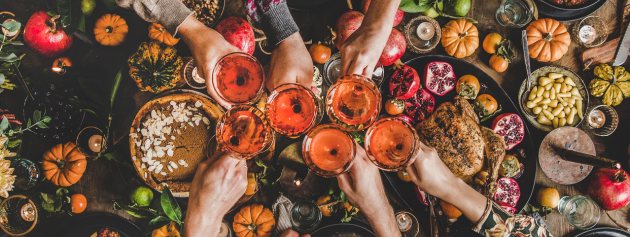
Bringing food festivals centered around cultural cuisines to the forefront can serve as a vibrant way to celebrate and educate the community about different traditions. Organizers should curate a diverse lineup of food vendors that represent various culinary heritages, ensuring that each stall offers authentic dishes prepared by members of the respective cultures. To further enhance the experience, they can provide cooking demonstrations and tastings, allowing attendees to sample unique flavors while learning about their origins and significance. Coordination with local chefs and home cooks can also amplify authenticity and community involvement, fostering a sense of pride among participants.
Advertising these food festivals effectively is crucial for maximizing turnout and engagement. Utilizing visually appealing flyers, social media campaigns, and partnerships with local businesses can help generate buzz and attract a diverse audience. Additionally, incorporating cultural storytelling at the event—through signage, announcements, or interactive sessions—can deepen the educational aspect, allowing attendees to appreciate not just the food but the rich narratives behind it. By fostering an environment of curiosity and respect, food festivals can become a cherished platform for building connections and celebrating the rich tapestry of cultures within the community.
Organize workshops for traditional crafts.
Organizing workshops focused on traditional crafts can be an enriching way to immerse the community in cultural practices and heritage. Organizers should seek skilled artisans from various backgrounds to lead these sessions, offering participants a hands-on opportunity to learn techniques that have been passed down through generations. Crafting workshops could include activities such as pottery, weaving, painting, or wood carving, allowing individuals to explore materials and methods that reflect their cultural significance. By providing all necessary materials and ensuring a welcoming environment, participants can gain a deeper appreciation for the artistry involved while creating something tangible to take home.
To attract a diverse group of attendees, outreach efforts should target schools, community centers, and local cultural organizations. Promoting these workshops through social media, flyers, and community events can help build anticipation and interest. Additionally, offering workshops at different skill levels ensures inclusivity, encouraging both beginners and experienced artisans to participate. By establishing an ongoing schedule of workshops, organizers can create a sustained interest in traditional crafts, fostering a sense of community and connection to cultural heritage.

Check Out Our Podcast!
Collaborate with community leaders for inclusive celebrations.
Engaging with community leaders is essential for creating celebrations that truly reflect the diversity within the community. Organizers should identify key figures who represent various cultural groups, such as religious leaders, educators, or heads of local organizations. By inviting these leaders to participate in the planning process, organizers can gain valuable insights into specific cultural traditions, customs, and preferences. This collaboration ensures that the celebrations are respectful, relevant, and genuinely representative of the community’s diverse backgrounds.
Furthermore, community leaders can help mobilize their networks, encouraging participation from a wider audience. By fostering relationships with these influencers, organizers can facilitate the inclusion of performances, food, and activities that highlight different cultural heritages. Hosting joint planning meetings and brainstorming sessions can empower leaders to share their perspectives and contribute ideas, fostering a sense of ownership in the event. This approach not only enhances the richness of the celebration but also strengthens community ties, making the event a true reflection of collective identity.
Share stories highlighting cultural heritage and contributions.
Incorporating stories that illuminate the rich tapestry of cultural heritage and contributions can significantly enhance community celebrations. Organizers can encourage individuals from diverse backgrounds to share their personal narratives, showcasing the unique customs, traditions, and history of their cultures. This storytelling can take various forms, such as oral presentations, written reflections, or multimedia displays that engage attendees and foster understanding. By creating a platform for these stories, organizers not only honor the contributions of diverse cultures but also promote dialogue and connection among community members.
Additionally, organizers should consider integrating workshops or interactive sessions where participants can learn about and experience different cultural practices firsthand. This could include cooking demonstrations, art workshops, or traditional music and dance sessions, allowing attendees to immerse themselves in the cultural contributions being highlighted. By actively involving community members in both sharing and experiencing these stories, organizers can cultivate a deeper appreciation for the diverse heritage present within their community, ultimately leading to a more inclusive and harmonious environment.
In conclusion, celebrating diverse cultures in the community is a rewarding endeavor that fosters understanding and unity. By incorporating these tips—such as organizing multicultural festivals, supporting local businesses, and encouraging educational programs—individuals can help create an inclusive environment that honors and respects all backgrounds. It is essential for community members to actively participate and share their own cultures while also being open to learning about others. Ultimately, embracing diversity enriches the community’s fabric, making it a vibrant place for everyone to thrive. By taking these steps, they will contribute to a more harmonious and interconnected society.