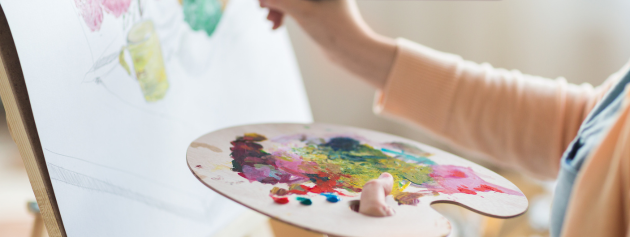
Creative blocks are a common yet frustrating hurdle faced by artists across various disciplines, from visual arts to writing, music and other artistic endeavors. These obstacles can manifest as a lack of inspiration, diminished motivation, or overwhelming self-doubt, often leading individuals to feel disconnected from their creative potential. Understanding the sources of these blocks is crucial for artists seeking to navigate their creative journeys effectively. The process of overcoming these barriers requires not only self-awareness but also the implementation of strategies tailored to one’s unique artistic practice. By cultivating a supportive environment, embracing experimentation, and allowing for moments of rest, artists can unlock new pathways to creativity. This article aims to provide practical insights and techniques for overcoming creative blocks, empowering artists to reclaim their passion and productivity. Whether one is an established creator or a novice exploring their artistic voice, the approaches outlined herein will serve as valuable tools for fostering resilience and innovation in the face of adversity. Through mindful engagement and a willingness to adapt, artists can transform creative stagnation into a dynamic opportunity for growth, ultimately enriching their artistic endeavors and enhancing their overall experiences in the creative realm.
Encourage experimenting with different artistic mediums and styles to spark new ideas and inspiration.
Artists can enhance their creativity by actively exploring diverse mediums and styles. By stepping outside their comfort zones, they open themselves to new techniques and approaches that can invigorate their work. For instance, a painter might try sculpture or digital art, while a photographer could experiment with mixed media or collage. Each new medium presents unique challenges and opportunities, encouraging problem-solving and innovative thinking.
Additionally, embracing various artistic styles can lead to unexpected combinations that inspire fresh ideas. For example, blending elements from abstract art with realism might yield intriguing results. Setting aside time for play and experimentation, without the pressure of final outcomes, allows artists to discover their individual voice and refine their skills. This journey of exploration not only revitalizes their creative energy but also fosters a deeper understanding of their artistic identity.
Feedback from peers or mentors can provide valuable insights that may not be immediately apparent to the artist.
Suggest taking breaks to recharge mentally, allowing creativity to naturally flow back into focus.
Taking regular breaks is essential for artists seeking to recharge their mental energy and cultivate creative flow. By stepping away from their work, they create space for their minds to rest and reset, which can lead to new perspectives and ideas. It’s beneficial for artists to schedule short intervals throughout their work sessions, allowing them to engage in activities that inspire relaxation and reflection, such as going for a walk, practicing mindfulness, or enjoying a hobby unrelated to their art. These moments of respite not only alleviate stress but also provide the subconscious mind an opportunity to process ideas that may have been previously overlooked.
Moreover, integrating longer breaks into one’s routine can further enhance creativity. Artists might consider taking a day or weekend off to immerse themselves in nature, visit galleries, or connect with fellow creatives. This change of scenery and pace can reignite passion and spark inspiration. Upon returning to their work, they often find that their ideas flow more freely, resulting in a more vibrant and innovative artistic practice. Emphasizing the importance of mental recharge helps cultivate a sustainable creative process that values both productivity and personal well-being.
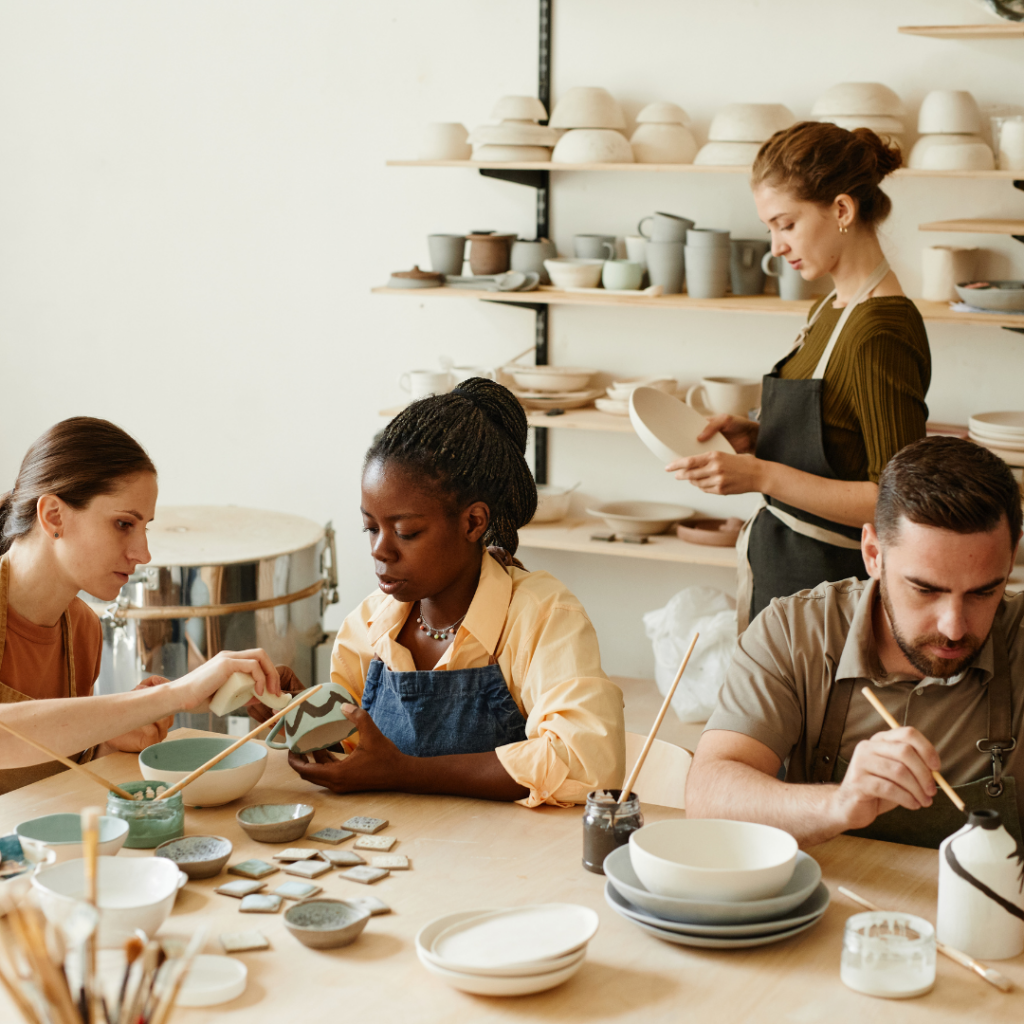
Recommend setting small, achievable goals to build confidence and momentum in artistic projects.
Setting small, achievable goals allows artists to cultivate a sense of accomplishment and build momentum in their projects. By breaking down larger tasks into manageable steps, they can focus on completing individual components, which helps to reduce feelings of overwhelm. For instance, an artist could aim to complete a single sketch each day instead of attempting to finish an entire painting at once. This approach not only fosters motivation but also enables artists to track their progress, reinforcing their confidence with each completed task.
In addition, celebrating these small victories is crucial in maintaining positive momentum. After completing a goal, artists might take a moment to reflect on their achievements, perhaps sharing their work with peers or treating themselves to something special. Such practices encourage a positive feedback loop, where the joy of accomplishing small tasks fuels the desire to tackle larger projects. Ultimately, by prioritizing small, attainable goals, artists can effectively navigate creative blocks, transforming their artistic journey into a more rewarding and fulfilling experience.
Reinventing yourself in a new environment can profoundly impact your creative process.
Helon Habila Listen To The Full Episode Here
Advise seeking feedback from peers or mentors to gain fresh perspectives on their work.
Feedback from peers or mentors can provide valuable insights that may not be immediately apparent to the artist. Engaging with others in a constructive manner allows for the discovery of new interpretations, techniques, and ideas that could enhance their creative process. Artists should consider setting up regular check-ins or critique sessions where they can share their work and receive honest evaluations. This practice not only fosters an environment of collaboration but also encourages artists to step outside their own perspective and appreciate the diversity of thought that exists within their community.
Moreover, seeking out feedback can be particularly beneficial during times of creative stagnation. When artists feel stuck, input from trusted peers or mentors can serve as a catalyst for inspiration. They can offer suggestions for improvement, identify strengths, or highlight areas that require further exploration. By remaining open to constructive criticism and actively incorporating new ideas into their work, artists can reignite their passion and motivation, ultimately leading to a more fulfilling creative journey.
Promote daily journaling to explore thoughts and feelings, unlocking deeper creative expressions and insights.
Incorporating daily journaling into an artist’s routine serves as a powerful tool for unlocking thoughts and feelings that often remain unexamined. By setting aside time each day to reflect and write, artists can delve into their inner experiences, unearthing emotions and ideas that may enhance their creative expressions. This practice encourages clarity of thought, allowing them to articulate their feelings, fears, and aspirations on paper. Over time, journaling can reveal patterns or themes that contribute to their artistry, fostering a deeper understanding of their motivations and creative impulses.
To effectively harness the potential of journaling, artists should create a dedicated space and time for this practice, free from distractions. They can explore various prompts or themes that resonate with their current emotional state or artistic challenges. By writing freely and without judgment, they can tap into their subconscious, which often holds the key to innovative ideas and solutions. Regularly revisiting past entries can also provide valuable insights, as artists may recognize growth or recurring struggles, guiding their future creative endeavors. This reflective process not only nurtures self-awareness but also opens the door to more authentic and profound artistic expression.
In conclusion, overcoming creative blocks is a journey that every artist encounters at some point. By implementing practical strategies such as establishing a routine, seeking inspiration from diverse sources, and allowing for experimentation without judgment, artists can reignite their creativity and push through obstacles. Additionally, engaging with fellow creatives and taking breaks to recharge can provide fresh perspectives and renewed motivation. Ultimately, persistence and a willingness to explore new avenues will enable artists to navigate their creative challenges and emerge stronger and more inspired in their artistic endeavors.