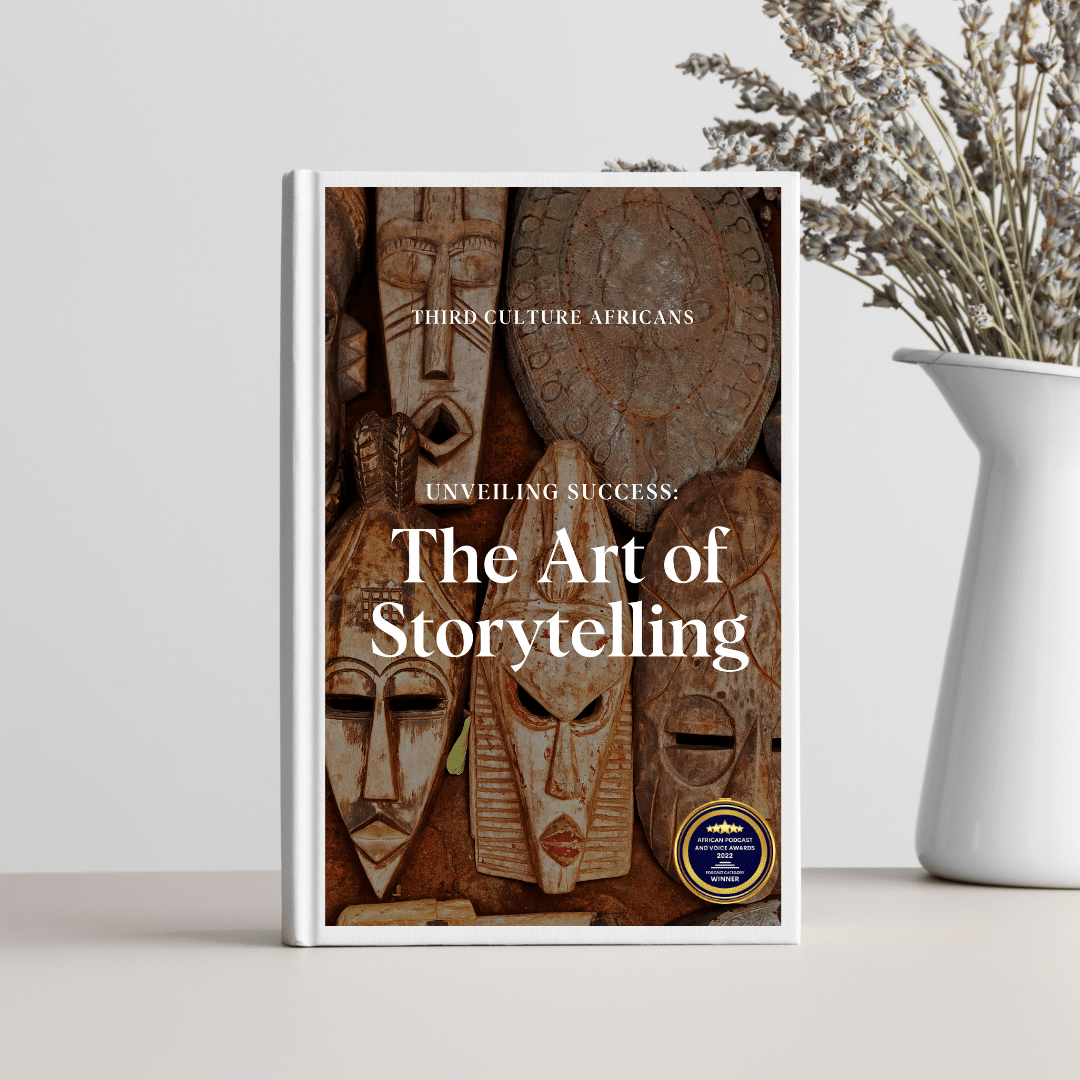
In an increasingly interconnected world, storytelling has emerged as a powerful vehicle for cultural exchange and understanding. The ability to weave cultural insights into narratives not only enriches the storytelling experience but also fosters empathy and appreciation for diverse perspectives. For writers, travelers, and anyone passionate about sharing their experiences, integrating cultural nuances into their stories can elevate their narratives from simple accounts of events to profound explorations of the human experience. This article presents a series of practical tips designed to help individuals effectively incorporate cultural insights into their worldly stories. By drawing on authentic experiences, engaging with local customs, and embracing the complexities of cultural identity, storytellers can create a tapestry of narratives that resonate on multiple levels. Whether one is recounting a personal journey through a foreign land or exploring the intricate dynamics of a multicultural community, understanding and representing cultural aspects thoughtfully can lead to more impactful storytelling. This exploration not only honors the richness of diverse cultures but also invites readers to broaden their horizons and engage deeply with the stories that shape our global tapestry.
Research cultures to enhance storytelling depth.
To enhance storytelling depth, it is essential for writers to immerse themselves in various cultures, cultivating an understanding of their unique histories, beliefs, and traditions. This begins with thorough research—reading books, articles, and studies that provide insight into the cultural practices and values of the communities in question. Engaging with diverse media, such as films, music, and art from those cultures, can reveal the nuances of everyday life and the emotions that shape characters’ experiences. By recognizing the subtleties of language and expression, a writer can create authentic dialogue and relatable scenarios that resonate with a wide audience.
Furthermore, participating in cultural events, festivals, or workshops can offer invaluable firsthand experiences that enrich storytelling. Interacting with individuals from different backgrounds allows for deeper connections and the opportunity to ask questions that may not be addressed in traditional research. This engagement not only fosters empathy and understanding but also helps to avoid cultural stereotypes or misrepresentations. By weaving these rich cultural insights into their narratives, writers can craft more compelling and multifaceted stories that reflect the diversity of human experience.
Understanding and honoring the cultural nuances inherent in character development is essential for creating authentic and relatable characters.
Incorporate authentic voices for rich narratives.
Utilizing genuine voices in storytelling can significantly amplify the richness of a narrative. Writers should actively seek to include perspectives from individuals who embody the cultures they wish to portray. This can be achieved through interviews, personal testimonies, or collaborative writing projects that invite those voices into the narrative fold. By weaving in authentic experiences and viewpoints, the writer creates a tapestry of narratives that reflect the diversity of human experiences, allowing readers to engage with the story on a more profound level.
To ensure these voices are represented accurately and respectfully, sensitivity to the complexities of identity is vital. Writers must approach cultural representation with a willingness to listen and learn, recognizing their own positionality in relation to the cultures they depict. Creating a safe space for contributors to share their stories fosters trust and collaboration, resulting in a narrative that feels genuine and grounded. By integrating these authentic voices, writers can craft compelling stories that honor the intricacies of cultural identity and resonate deeply with readers.
Use sensory details to evoke emotions.
Engaging the senses is crucial for writers aiming to elicit strong emotional responses from their audience. By incorporating vivid sensory details—such as the rich aroma of spices wafting through a bustling market, the vibrant colors of traditional attire, or the sound of laughter echoing in a crowded street—writers can create immersive experiences that resonate deeply with readers. These details not only paint a picture but also allow readers to connect with the characters and setting on a visceral level, making their emotions more palpable and relatable.
To effectively weave sensory elements into storytelling, writers should immerse themselves in the culture they are depicting. Observing and experiencing the sights, sounds, and tastes first-hand can inform their descriptions, lending authenticity that enhances emotional impact. When a writer describes the warmth of a family gathering or the chill of an evening breeze, they invite readers to feel those sensations themselves. This approach not only enriches the narrative but also cultivates empathy, as readers are drawn into the emotional landscape of the characters and their experiences.

Check Out Our Podcast!
Respect cultural nuances in character development.
Understanding and honoring the cultural nuances inherent in character development is essential for creating authentic and relatable characters. Writers should delve into the specific cultural contexts of their characters, considering factors such as traditions, values, beliefs, and social dynamics that shape their identities. By doing so, they can ensure that their characters’ actions, motivations, and dialogues are grounded in realistic cultural frameworks, avoiding stereotypes or oversimplifications that could undermine the story’s integrity.
To accomplish this, writers can conduct thorough research, engage with individuals from the culture they are portraying, and participate in cultural events or practices. This immersive approach not only enhances character depth but also invites readers to explore diverse perspectives, fostering empathy and understanding. Authenticity emerges when characters reflect the complexities of their cultural backgrounds, allowing them to resonate with readers on a deeper level and enriching the overall narrative.
Share personal experiences to connect universally.
When crafting narratives, individuals can draw upon their own life experiences to resonate with readers on a more universal level. By sharing moments of joy, struggle, or growth, a storyteller can bridge cultural divides, allowing others to see their unique journey mirrored in the experiences of different backgrounds. This method not only enriches the narrative but also fosters a sense of shared humanity, as readers find common threads in the emotions and lessons conveyed through personal anecdotes.
Moreover, incorporating relatable themes—such as love, loss, ambition, and resilience—can transform personal stories into collective experiences. Writers should reflect on pivotal moments in their lives that evoke strong emotions, ensuring these moments are articulated with authenticity and vulnerability. By doing so, they create a powerful connection that transcends cultural barriers, inviting readers from various walks of life to engage with the story in a deeply personal way. This approach cultivates empathy and understanding, as individuals recognize that, despite differing backgrounds, they are united by fundamental human experiences.
In conclusion, weaving cultural insights into worldly stories is a powerful way to enrich narratives and engage readers on a deeper level. By encouraging writers to conduct thorough research, embrace authentic voices, and incorporate local customs and traditions, they can create more relatable and immersive experiences. Furthermore, using diverse perspectives adds complexity and nuance, allowing for a more genuine portrayal of different cultures. As writers apply these tips, they will not only enhance their storytelling skills but also foster a greater understanding and appreciation for the rich tapestry of human experience. With a commitment to authenticity and respect, their stories can resonate across borders and connect with audiences everywhere.