In an era marked by rapid technological advancement and increasing globalization, the role of artistic endeavours in shaping contemporary thought and practice has garnered significant attention from scholars, critics, and practitioners alike. This article seeks to evaluate the multifaceted influences of various artistic forms—ranging from visual arts and literature to performance and digital media—on current societal paradigms and individual perspectives. Artistic expressions have historically served as mirrors to society, reflecting cultural, political, and emotional currents, while simultaneously acting as catalysts for change and innovation. By examining a spectrum of contemporary artistic practices, this exploration highlights how these creative outputs engage with pressing issues such as identity, social justice, and environmental sustainability. Furthermore, it investigates the reciprocal relationship between art and thought, considering how contemporary philosophical discourses and methodologies inform artistic practices. Through a critical analysis of case studies that embody this interplay, the article aims to provide insights into the ways in which artistic endeavours not only enrich cultural discourse but also inspire new modes of thinking and living in an increasingly complex world. Ultimately, this examination underscores the essential role of art as a dynamic force in the evolution of contemporary thought and practice.
Artistic endeavours shape societal perspectives and encourage critical thinking among contemporary audiences.
Artistic endeavours serve as powerful vehicles for challenging prevailing societal narratives and fostering critical engagement among contemporary audiences. Through various mediums, artists confront complex issues such as identity, inequality, and power dynamics, prompting viewers to reflect on their own beliefs and assumptions. By presenting alternative viewpoints or reinterpreting historical events, these creative expressions encourage audiences to question the status quo and consider the broader implications of their societal context.
Moreover, artistic endeavours often stimulate dialogue and provoke thought, functioning as catalysts for social change. They create spaces where diverse voices can intersect, allowing for a richer, more nuanced understanding of contemporary issues. In this way, the critical thinking engendered by artistic practices not only enhances individual perspectives but also cultivates a collective consciousness that is essential for addressing the multifaceted challenges of modern society. Through engagement with art, audiences are invited to expand their perspectives, fostering an environment where nuanced discussions can flourish.
The creative process often stimulates critical discussions about identity, power dynamics, and the role of art in advocacy, prompting a deeper examination of socio-political realities.
Creative expressions challenge traditional norms and inspire innovative approaches in various disciplines today.
Artistic endeavours play a pivotal role in redefining the boundaries of traditional disciplines, encouraging practitioners across various fields to explore unconventional methodologies. By integrating imaginative concepts and techniques, artists not only redefine aesthetic standards but also inspire professionals in science, technology, and social sciences to adopt innovative frameworks. This cross-disciplinary exchange fosters an environment where creativity becomes a fundamental component of problem-solving, challenging established paradigms and promoting a culture of experimentation and collaboration.
Furthermore, the influence of artistic practices extends beyond mere aesthetics, impacting how individuals and communities perceive and engage with complex issues. When artists incorporate elements from various disciplines—such as data visualization in visual art or narrative structures in scientific communication—they enhance the accessibility of information and invite broader participation. As a result, these artistic endeavours not only enrich the creative landscape but also serve as essential tools for interdisciplinary dialogue, inspiring transformative approaches that resonate in diverse sectors of society.
Collaborative artistic projects foster community engagement and promote shared understanding within diverse populations.
Through collaborative artistic endeavours, diverse populations are brought together, creating a shared platform for dialogue and mutual understanding. These projects often serve as a catalyst for community engagement, allowing participants from various backgrounds to contribute their unique perspectives and experiences. The collaborative process not only enriches the artistic creation itself but also helps dismantle social barriers, fostering an environment of inclusivity and cooperation. As individuals engage in the co-creation of art, they develop a sense of belonging and collective identity, which is crucial in promoting social cohesion.
Moreover, the transformative power of collaborative artistic endeavours lies in their ability to address social issues and reflect the complexities of human experience. By inviting community members to share their stories and perspectives, these projects cultivate empathy and awareness among participants and audiences alike. This shared creative experience provides an opportunity for participants to engage critically with the narratives of others, ultimately leading to a deeper understanding of the challenges faced by diverse populations. In this way, artistic collaboration becomes a vital tool for community empowerment, encouraging participants to envision and contribute to a more equitable and inclusive society.
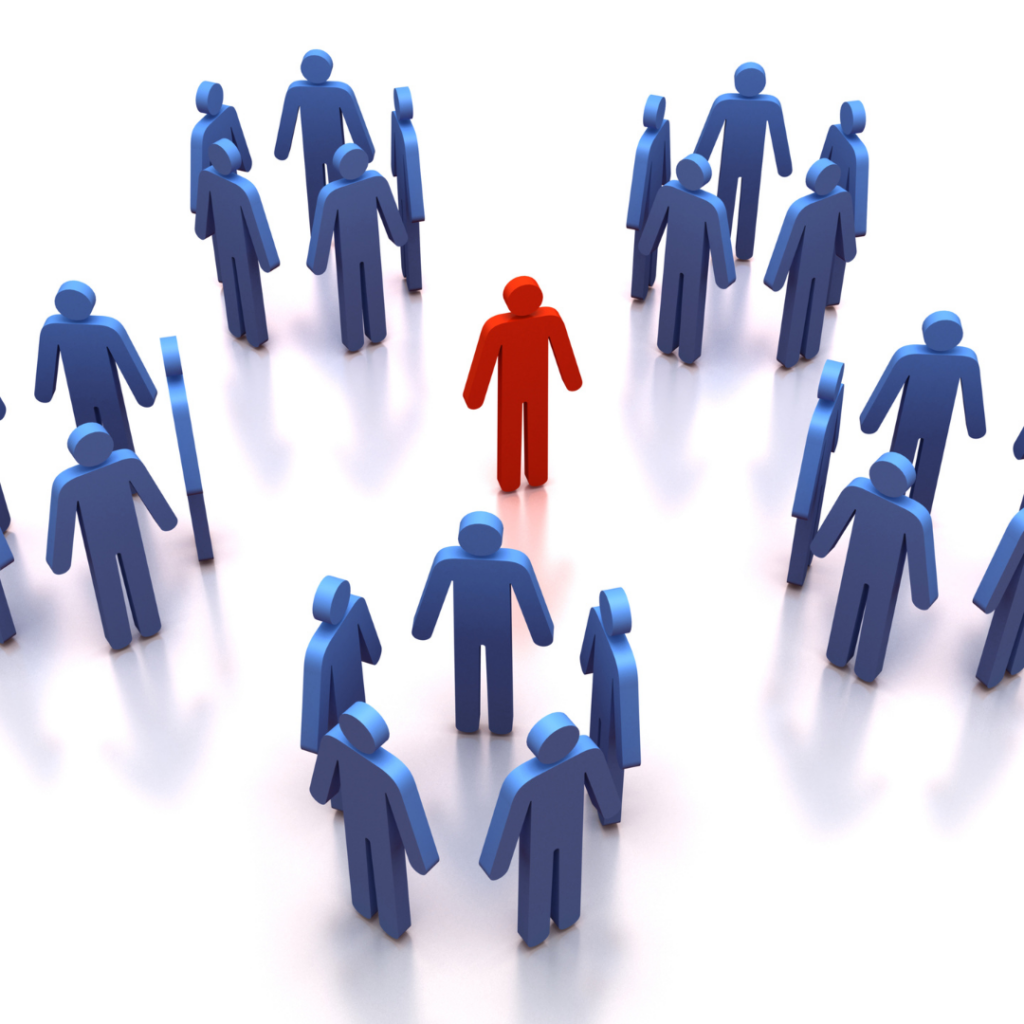
Artistic practices influence contemporary thought, prompting reevaluation of cultural, social, and political contexts.
Artistic endeavours serve as a vital lens through which contemporary thought can be examined and expanded, challenging entrenched cultural narratives and societal norms. By engaging with various artistic forms, individuals and communities are encouraged to question existing paradigms and reconsider the implications of their historical and political contexts. The creative process often stimulates critical discussions about identity, power dynamics, and the role of art in advocacy, prompting a deeper examination of socio-political realities. This re-evaluation fosters a more nuanced understanding of the complexities underpinning contemporary life, enabling a collective confrontation with uncomfortable truths and urging a reconsideration of traditional frameworks.
Furthermore, the intersection of artistic practices and contemporary thought cultivates an environment conducive to innovation and social change. By pushing the boundaries of conventional art forms, artists and thinkers provoke discourse that transcends mere aesthetic appreciation, inviting audiences to engage with pressing global issues. As a result, artistic endeavours not only reflect but actively shape cultural narratives, prompting a broader societal reassessment of values, ethics, and collective responsibilities. Through this lens, the implications of artistic practices extend beyond the realm of aesthetics, becoming instrumental in the ongoing dialogue surrounding cultural identity and social justice in an increasingly interconnected world.
The creative process of designing is a form of storytelling, where every piece reflects African heritage and artistry.
Armando Cabral Listen To The Full Episode Here
The impact of artistic endeavour extends beyond aesthetics, influencing emotional and intellectual growth in society.
Artistic endeavour holds the power to transcend mere aesthetic appreciation, serving as a catalyst for emotional and intellectual development within society. Through the exploration of various themes and expressions, art often elicits profound emotional responses, allowing individuals to connect with their own experiences and those of others. This connection fosters empathy, encouraging a deeper understanding of diverse perspectives and social realities. Consequently, the emotional engagement that arises from artistic endeavours can lead to transformative experiences, fostering community cohesion and personal introspection.
Moreover, the intellectual stimulation derived from engaging with art compels individuals to expand their critical thinking and creativity. Artistic endeavour invites viewers to analyze and interpret complex narratives, often prompting them to confront their own beliefs and assumptions. This process not only enhances cognitive skills but also encourages a culture of inquiry and dialogue, vital for addressing societal challenges. As individuals grapple with the meanings embedded in artistic expressions, they are equipped to engage more thoughtfully in public discourse and civic life, ultimately contributing to a more informed and reflective society.
In conclusion, the examination of artistic endeavors reveals a profound and multifaceted influence on contemporary thought and practice. As this analysis has shown, art serves not only as a reflection of societal values and challenges but also as a catalyst for critical discourse and innovative ideas. The interplay between artistic expression and intellectual inquiry fosters a dynamic environment where creativity can thrive, ultimately shaping cultural narratives and influencing various fields, from politics to technology. Therefore, it is imperative to recognize and support the integral role that art plays in shaping contemporary society, as it continues to inspire, provoke, and challenge the boundaries of conventional thought. Through a deeper understanding of this relationship, one can appreciate how artistic practices contribute to the evolution of human experience and knowledge in today’s world.
FAQ: Here are five questions that explore the influence of artistic endeavors on contemporary thought and practice:
The influence of artistic endeavors on contemporary thought and practice can be explored through questions such as: How do modern artists challenge societal norms and provoke critical dialogue? In what ways does visual art shape public perception of global issues? How do performance arts contribute to community engagement and social change? What role does technology play in transforming artistic expression and accessibility? Lastly, how do interdisciplinary collaborations between artists and scientists foster innovative solutions to contemporary challenges? These inquiries reveal the profound impact of art on culture, identity, and social dynamics today.
How do contemporary artists integrate social and political themes into their work, and what impact does this have on public discourse and awareness?
Contemporary artists integrate social and political themes into their work by using various mediums, such as painting, sculpture, and digital art, to address issues like inequality, climate change, and human rights. Their works often provoke thought and encourage dialogue, challenging audiences to reflect on societal norms. Through public installations and social media, these artists amplify their messages, fostering greater awareness and engagement. The impact is significant, as their art can inspire movements, influence policy, and stimulate public discourse, ultimately driving change and encouraging critical conversations about pressing global issues.
In what ways do artistic movements, such as surrealism or abstract expressionism, continue to shape modern philosophical perspectives and approaches to creativity?
Artistic movements like surrealism and abstract expressionism significantly influence modern philosophical perspectives and creativity. They challenge traditional notions of reality and representation, encouraging thinkers to embrace ambiguity and subjective experience. This shift promotes the idea that creativity stems from the unconscious mind and personal emotion, rather than strict realism. Such movements inspire contemporary artists and philosophers to explore new forms of expression, emphasizing individual interpretation and the exploration of inner worlds. As a result, they foster innovative approaches to creativity, encouraging a dialogue between art, psychology, and existential thought.
How has the rise of digital art and technology influenced traditional artistic practices, and what implications does this have for contemporary cultural identity?
The rise of digital art and technology has significantly influenced traditional artistic practices by merging techniques and expanding creative possibilities. Artists now utilize digital tools to enhance, reinterpret, or even challenge conventional methods, fostering innovation in visual expression. This integration has led to a transformation in cultural identity, as artists navigate the digital landscape, reflecting diverse experiences and global perspectives. Consequently, contemporary art increasingly blurs the lines between digital and traditional forms, creating a dynamic dialogue that shapes cultural narratives and challenges established norms, ultimately enriching the collective understanding of identity in today’s interconnected world.
What role do collaborative artistic projects play in fostering community engagement and social change in urban environments?
Collaborative artistic projects serve as powerful tools for fostering community engagement and driving social change in urban environments. By bringing diverse individuals together, these initiatives create a sense of belonging and shared purpose. Participants engage in dialogue about local issues, promoting awareness and understanding. Art becomes a medium for expression, allowing communities to voice their concerns and aspirations. Furthermore, such projects often beautify public spaces, enhancing community pride. Ultimately, they empower residents, encouraging active participation in shaping their neighborhoods and addressing social challenges collectively.
How can the evaluation of artistic endeavors contribute to our understanding of mental health and well-being in contemporary society?
The evaluation of artistic endeavors provides valuable insights into mental health and well-being by reflecting individual and collective experiences. Through analyzing themes in art, researchers can identify societal issues, emotional struggles, and coping mechanisms. This understanding fosters empathy and awareness, encouraging dialogue about mental health. Engaging with art can also serve as a therapeutic tool, promoting healing and self-expression. Moreover, the accessibility of artistic expression in contemporary society highlights diverse perspectives on mental wellness, ultimately contributing to a more comprehensive understanding of the intricate relationship between creativity and psychological health.