The evolution of Halloween stories in folklore serves as a mirror reflecting societal changes, cultural adaptations, and the deep-rooted human fascination with the supernatural.
This article, titled “Analyzing Cultural Significance: The Evolution of Halloween Stories in Folklore,” delves into the rich tapestry of narratives that have emerged surrounding this enigmatic celebration. Originating from ancient traditions such as Samhain, when the boundary between the living and the dead was believed to blur, Halloween has transformed through centuries of cultural exchange and reinterpretation.
By examining the diverse tales that have survived and evolved, one can uncover not only the historical significance of Halloween but also its role in contemporary society. These stories, ranging from ghostly encounters to whimsical representations of the macabre, encapsulate the fears, values, and beliefs of various communities throughout time.
Through a careful analysis of these narratives, the article aims to shed light on how Halloween stories have transcended mere entertainment, becoming vital components of cultural identity and communal expression.
In doing so, it will explore the ways in which folklore can inform our understanding of societal norms, fears, and the ongoing negotiation between tradition and modernity in the celebration of one of the world’s most intriguing holidays.
Historical Origins of Halloween Folklore Explored
The origins of Halloween folklore can be traced back to ancient Celtic traditions, particularly the festival of Samhain, which marked the end of the harvest season and the onset of winter. This period was imbued with magical significance, as it was believed that the boundary between the living and the dead blurred during Samhain, allowing spirits to wander the earth.
The Celts lit bonfires and donned costumes to ward off these wandering spirits, practices that laid the groundwork for contemporary Halloween customs. As Christianity spread through Celtic regions, the church sought to assimilate pagan traditions, leading to the establishment of All Hallows’ Eve on the eve of All Saints’ Day, which further intertwined the celebration with religious observances.
In the following centuries, the amalgamation of various cultural influences enriched Halloween folklore, incorporating elements from Roman and later European customs. The practice of trick-or-treating, which has its roots in the medieval practice of “souling,” involved the poor visiting homes on All Hallows’ Eve to collect food in exchange for prayers for the deceased.
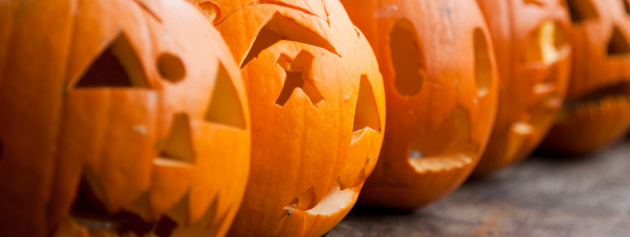
Over time, these rituals evolved, absorbing aspects such as the use of carved pumpkins—initially using turnips as lanterns, a practice derived from Irish folklore—and the popularization of ghostly tales that emerged from the fear of the unknown.
As Halloween transformed into a largely secular celebration in the modern era, its folklore reflected a blend of ancient beliefs and contemporary cultural narratives, demonstrating the fluidity and resilience of tradition in the face of changing societal values.
Current interpretations of Halloween traditions illustrate a remarkable blend of nostalgia and innovation, as communities and individuals increasingly seek to reclaim and redefine the holiday's significance.
Transformation of Halloween Narratives Over Time
Stories that emerged in the 19th century, exemplifies the shifting narrative surrounding Halloween, transforming from a solemn observance into a more community-oriented festivity.
This change coincided with the migration of Irish and Scottish immigrants to America, who brought with them their traditions and beliefs. The fusion of these influences gave rise to the playful and often mischievous spirit of modern Halloween, where the themes of fear and reverence for the dead were supplanted by a focus on merriment and social interaction.
As societal attitudes evolved, so too did the narratives surrounding Halloween. By the mid-20th century, Halloween had transitioned into a secular holiday characterized by a celebration of childhood innocence and imaginative revelry.
This shift was marked by the commercialization of Halloween, with an emphasis on costumes, candies, and public festivities. As such, Halloween narratives became less about invoking fear or connecting with the supernatural, and more about fostering community bonds and collective enjoyment.
The transformation from ancient rituals steeped in spirituality to a contemporary festival of fun highlights the dynamic interplay between tradition and modernity, reflecting broader cultural changes over time.
Check out this author!
Cultural Influences Shaping Halloween Storytelling
The adaptation of Halloween storytelling has been significantly influenced by a myriad of cultural elements, reflecting broader societal dynamics and collective sentiments.
Folklore surrounding Halloween often incorporates motifs from various cultural backgrounds, notably the blending of Celtic traditions with American interpretations. The tales of ghosts, witches, and other supernatural entities have evolved, mirroring the anxieties and curiosities of different generations.
For instance, urban legends and contemporary horror stories have emerged as key components of Halloween narratives, reflecting societal fears related to modern life, such as technology and urbanization.
Furthermore, the globalization of Halloween has introduced diverse cultural practices into storytelling, enriching the holiday’s narrative landscape. Elements from Latin American Día de los Muertos, African American folklore, and even popular media have reshaped the themes and characters found in Halloween stories.
This amalgamation not only fosters a deeper understanding of the cultural significance of death and the afterlife but also encourages a reflective approach to the celebration.
As such, Halloween storytelling remains a dynamic interplay of tradition and innovation, continuously shaped by cultural influences that resonate with the values and experiences of contemporary society.
Halloween Stories Reflect Societal Values
These narratives not only serve as entertainment but also act as a lens through which societal values and norms can be examined and critiqued. For example, traditional stories often highlight the tension between good and evil, reinforcing moral lessons pertinent to the prevailing cultural context.
In contrasting portrayals of heroes and villains, these stories reveal underlying societal fears and aspirations, ultimately providing a framework for understanding collective identity and ethical considerations.
Moreover, the evolution of Halloween stories can be seen as a response to changing social dynamics, including shifts in gender roles, racial representation, and attitudes towards authority. Characters that were once portrayed as mere embodiments of fear or superstition are increasingly reinterpreted, offering commentary on social issues such as gender equality and racial justice.
This transformation reflects a broader societal desire to confront and address the complexities of modern life, illustrating how folklore remains relevant and resonant as it adapts to contemporary values and challenges. Thus, Halloween narratives continue to serve as a powerful medium for exploring and reflecting the moral fabric of society.

Amazon Book List
Contemporary Interpretations of Halloween Tradition
Current interpretations of Halloween traditions illustrate a remarkable blend of nostalgia and innovation, as communities and individuals increasingly seek to reclaim and redefine the holiday’s significance.
The emergence of inclusive practices, such as celebrating diverse cultural representations and blending various traditions, highlights a collective effort to move beyond simplistic notions of spookiness or commercialism.
This shift allows for a more nuanced engagement with the holiday, where participants may embrace personal and communal identities through costumes and festivities that reflect their heritage or socio-political themes.
Furthermore, contemporary expressions of Halloween often critique or parody established norms, using humor and irony to address social issues. Events like “Feminist Halloween” or “Woke Halloween” encourage participants to think critically about their costumes and the messages they convey, fostering a sense of awareness around issues such as appropriation and misrepresentation.
By challenging conventional iconography and questioning the narratives associated with Halloween, these modern interpretations contribute to an ongoing dialogue about cultural identity, inclusivity, and the role of tradition in a rapidly changing society.
In conclusion, the evolution of Halloween stories within folklore underscores the dynamic interplay between cultural traditions and societal transformations. As observed, these narratives have shifted from ancient rituals steeped in superstition to contemporary tales that reflect modern anxieties and values.
The incorporation of diverse elements, such as the blending of pagan customs with Christian themes and the subsequent commercialization of Halloween, illustrates how folklore adapts to the prevailing cultural climate.
Ultimately, the analysis of Halloween stories reveals not only the enduring power of folklore to shape collective identity but also its capacity to evolve, ensuring its relevance in an ever-changing world.