Halloween, a celebration steeped in mystery and intrigue, has undergone a remarkable transformation over the centuries, evolving from ancient folklore to contemporary narratives that capture the imagination of audiences worldwide. This metamorphosis reflects not only changes in cultural attitudes towards death and the supernatural but also the broader societal shifts that accompany each era. Initially rooted in Celtic traditions, Halloween served as a time for honoring the dead and repelling malevolent spirits, with stories that echoed the fears and beliefs of agrarian communities. As time progressed, these tales began to incorporate elements of cautionary folklore, morality, and societal norms, shaping the way communities approached the unknown. The advent of the printing press and the rise of mass media further propelled the evolution of Halloween stories, allowing them to reach wider audiences and adapt to changing tastes. Today, the genre encompasses a vast array of interpretations, from spine-chilling horror to whimsical tales designed for younger audiences, reflecting a diverse spectrum of human experience. This article delves into the rich history of Halloween storytelling, tracing its transformation from ancient legends to the multifaceted modern narratives that continue to enchant and terrify, revealing the enduring power of storytelling in our collective consciousness.
Traditional folklore shapes Halloween narratives.
Influenced by centuries of cultural traditions, Halloween narratives often draw upon a rich tapestry of folklore that informs their themes and motifs. Tales of spirits, witches, and supernatural beings permeate the holiday, reflecting societal fears and moral lessons that have evolved over time. These stories serve not only as entertainment but also as a means to articulate humanity’s fascination with the unknown and the mysteries of death, allowing communities to confront their anxieties in a culturally resonant manner.
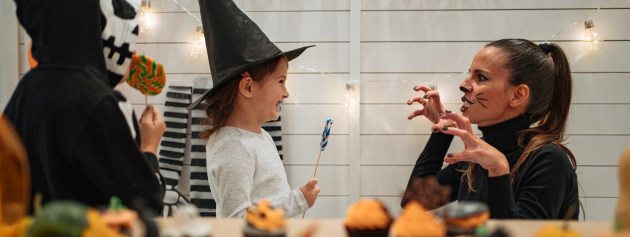
As these narratives were passed down through generations, they adapted to reflect changing societal values and attitudes. The traditional imagery of costumed figures scaring away malevolent forces or seeking to appease spirits during the harvest season has transformed into a more commercialized interpretation prevalent in contemporary celebrations. Nevertheless, the echoes of ancient folklore remain, subtly influencing modern Halloween practices and ensuring that the essence of these age-old stories continues to resonate within the collective memory.
As literary forms evolved, horror fiction began to gain prominence, reflecting societal anxieties and the complexities of the human condition. Authors such as Edgar Allan Poe and H.P. Lovecraft laid the groundwork in the 19th and early 20th centuries, infusing their works with psychological depth and existential dread.
Ghost stories influence modern storytelling.
Ghost stories have long served as a foundational element in the tapestry of storytelling, their influence permeating various genres and mediums in contemporary narratives. The archetype of the ghost—a reflection of unresolved issues, personal loss, or societal fears—has been reinterpreted to explore deeper psychological themes, allowing modern storytellers to delve into the complexities of the human experience. From literature to film, the presence of spectral figures often evokes a sense of unease that compels audiences to confront their own existential dilemmas, reinforcing the notion that narratives involving the supernatural can be vehicles for broader commentary on the human condition.
Moreover, the stylistic elements of ghost stories have permeated other genres, establishing tropes that resonate with audiences beyond the realm of horror. The interplay of suspense and revelation, coupled with the exploration of morality and consequence, has enriched narratives in fantasy, drama, and even romance. This cross-pollination has led to a more nuanced understanding of narrative structure, where the ghostly presence often serves as a catalyst for character development and thematic depth. Thus, the legacy of ghost stories not only endures but thrives, shaping the contours of modern storytelling while inviting new interpretations of timeless themes.
Check out this podcast!
Cultural variations enrich Halloween traditions.
Cultural variations play a significant role in shaping Halloween traditions, adding layers of meaning and practice that reflect the values and beliefs of different societies. For instance, while the quintessential American celebration often emphasizes trick-or-treating and costume parties, other cultures might incorporate unique rituals that serve to honor ancestors or celebrate the transition of seasons. In Mexico, the Día de los Muertos (Day of the Dead) merges with Halloween festivities, creating a vibrant tapestry of remembrance where families gather to celebrate the lives of those who have passed, showcasing colorful altars adorned with photographs, marigold flowers, and sugar skulls.
In addition, European customs, such as the ancient Celtic festival of Samhain, highlight the historical roots of Halloween, emphasizing themes of harvest and the supernatural. These diverse cultural practices not only enrich the overall experience of Halloween but also foster a deeper appreciation for the various ways communities engage with the themes of fear, mortality, and festivity. This interplay of traditions encourages individuals to explore their own cultural identities while participating in a shared celebration that transcends geographical boundaries, ultimately creating a more inclusive and multifaceted holiday.
The impact of Victorian literature.
Victorian literature had a profound influence on the evolution of Halloween stories, intertwining themes of morality, the supernatural, and the complexities of human nature with the festivities associated with the season. Writers such as Charles Dickens and Bram Stoker explored the darker aspects of society, reflecting the era’s fascination with both the macabre and the moral lessons embedded within ghostly narratives. The rise of the short story format during this period allowed for more intricate and suspenseful tales, which captivated audiences and contributed to the popularization of Halloween as a time for storytelling. This literary tradition not only provided entertainment but also served as a vehicle for social commentary, allowing authors to critique contemporary issues while engaging readers in the allure of the unknown.
Moreover, the Victorian fascination with the occult and the supernatural significantly shaped the imagery and themes prevalent in modern Halloween narratives. The era’s emphasis on ghosts, spirits, and the exploration of the afterlife gave rise to iconic characters and motifs that remain integral to Halloween literature today. As Victorian tales often blurred the lines between reality and the supernatural, they paved the way for contemporary interpretations of Halloween stories that continue to explore fear and fascination with the unknown. This legacy of rich storytelling and thematic depth continues to resonate, demonstrating how Victorian literature has indelibly impacted the way Halloween is celebrated and conceptualized in modern culture.
Halloween's portrayal in popular media.
The emergence of film as a dominant cultural force in the 20th century transformed Halloween from a night of local folklore into a nationwide celebration characterized by cinematic horror. Iconic movies such as “Halloween” and “Hocus Pocus” not only solidified Halloween’s status as a commercial holiday but also established a visual and thematic lexicon that continues to influence popular perceptions of the season. This portrayal ranged from the chilling and sinister to the whimsical and playful, reflecting a duality that appeals to a diverse audience. Television programming, particularly during the late October season, has further popularized Halloween, showcasing special episodes of beloved series that explore its festive and spooky elements, thus embedding the holiday deeply into the fabric of American culture.
In the realm of literature and graphic novels, contemporary authors have expanded the boundaries of Halloween narratives, incorporating diverse genres and perspectives. Modern tales often blend traditional horror elements with themes of identity, social justice, and environmentalism, demonstrating that Halloween can serve as a canvas for a broad spectrum of cultural dialogues. As a result, Halloween’s portrayal in popular media continues to evolve, adapting to the changing values and anxieties of society while retaining its core essence as a celebration of the mysterious and the macabre. This ongoing transformation signifies not just a seasonal event, but a complex cultural phenomenon that reflects humanity’s enduring fascination with fear and the supernatural.
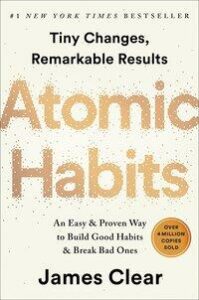
Amazon Book List
The rise of horror fiction.
As literary forms evolved, horror fiction began to gain prominence, reflecting societal anxieties and the complexities of the human condition. Authors such as Edgar Allan Poe and H.P. Lovecraft laid the groundwork in the 19th and early 20th centuries, infusing their works with psychological depth and existential dread. Their contributions established a foundation for subsequent generations, who would explore themes of fear, isolation, and the macabre in increasingly innovative ways. The genre flourished throughout the 20th century with figures like Stephen King and Shirley Jackson, who harnessed both supernatural elements and everyday terrors, making horror not only accessible but also a mirror of societal issues.
In recent years, the rise of horror fiction has witnessed a remarkable resurgence, driven by a new wave of authors who challenge traditional conventions and expand the genre’s scope. Emerging voices often focus on intersectionality, exploring themes of race, gender, and identity in ways that resonate with contemporary audiences. This evolution has led to a diversification of horror narratives, moving beyond classic archetypes to encompass psychological thrillers, social commentary, and experimental forms. The horror genre now serves as both a reflection of cultural fears and a platform for broader dialogues, solidifying its place as a vital and dynamic component of modern literature.
Influence of movies on storytelling.
Movies have profoundly shaped the landscape of storytelling, particularly within the horror genre. With the advent of cinema, the visual medium introduced new techniques for building suspense and conveying emotion that were not possible in literature. The use of sound, lighting, and cinematography allowed filmmakers to manipulate audience perceptions in ways that transformed the narrative experience. Iconic films like Alfred Hitchcock’s “Psycho” and John Carpenter’s “Halloween” not only set new benchmarks for horror but also influenced narrative structure and character development in literature, prompting authors to adopt cinematic pacing and tension-building techniques in their storytelling.
Furthermore, the incorporation of diverse perspectives in contemporary films has pushed writers to explore more inclusive narratives. The success of films that highlight underrepresented voices has encouraged authors to delve into stories that reflect broader social issues, thereby enriching the genre. As a result, the interplay between film and literature continues to evolve, as storytellers draw inspiration from both mediums to craft narratives that resonate on multiple levels, challenging audiences to reconsider their understanding of fear and the human experience.
Contemporary tales redefine Halloween themes.
As contemporary narratives evolve, they increasingly challenge traditional Halloween themes, offering fresh interpretations that resonate with modern audiences. These tales often deconstruct classic horror tropes, presenting narratives that blur the lines between villain and victim, thus shifting the focus from mere fear to a deeper exploration of psychological and social complexities. This approach allows authors to create multifaceted characters whose motivations and backgrounds provide insight into their actions, prompting readers to reconsider their preconceived notions of good and evil.
Additionally, the integration of contemporary societal issues, such as mental health, identity, and cultural anxieties, infuses Halloween storytelling with relevance and urgency. Writers are now adept at intertwining horror with real-world concerns, transforming Halloween from a celebration of fear into a platform for dialogue regarding the human condition. This nuanced storytelling not only enriches the genre but also invites audiences to engage with the material on a more profound level, fostering a reimagined appreciation for the seasonal themes that once primarily centered around fright and superstition.
In conclusion, the evolution of Halloween stories reflects a fascinating interplay between tradition and innovation. From their roots in ancient folklore, steeped in rituals and cultural significance, to the modern narratives that blend horror, humor, and social commentary, these tales have continually adapted to the changing landscape of society. As audiences seek new ways to engage with the themes of fear and festivity, it is clear that Halloween stories will continue to thrive and evolve, bridging the gap between the past and the present. This ongoing transformation not only honors the rich history of Halloween but also invites future generations to contribute their own interpretations, ensuring that the spirit of the holiday remains vibrant and relevant.