Artistic endeavours serve as a vital conduit through which cultural identity is expressed, preserved, and transformed. In an increasingly globalized world, the interplay between art and cultural identity becomes ever more significant, as artists navigate the complexities of tradition and modernity. This article seeks to explore the multifaceted impact of artistic practices—ranging from visual arts and music to literature and performance—on the formation and evolution of cultural identities. By examining various case studies and theoretical frameworks, the discussion will illuminate how artistic expressions not only reflect the values and beliefs of a community but also challenge and redefine them. Furthermore, the article will delve into the role of art in fostering dialogue and understanding among diverse cultural groups, highlighting its potential to bridge divides and promote social cohesion. As societies grapple with issues of migration, globalization, and technological advancement, the relationship between art and cultural identity becomes increasingly complex, warranting a nuanced examination. Through this exploration, the article aims to contribute to a deeper understanding of the ways in which artistic endeavours shape, and are shaped by, the cultural landscapes in which they emerge.
Artistic endeavours shape cultural identity through shared values and beliefs among community members.
Artistic endeavours serve as a crucial medium through which communities express their collective values and beliefs, fostering a sense of belonging and identity. Through various forms of art—such as music, dance, visual arts, and literature—individuals communicate shared experiences and historical narratives that bind them together. These creative expressions not only reflect the unique characteristics of a community but also reinforce the cultural norms and traditions that define it. By participating in these artistic activities, community members actively engage in a dialogue that strengthens their cultural ties, allowing them to celebrate their heritage while simultaneously adapting to new influences.
Moreover, the collaborative nature of artistic endeavours encourages inclusivity and participation, enabling diverse voices within a community to be heard and valued. As individuals come together to create, they share knowledge and skills, fostering mutual respect and understanding among different cultural backgrounds. This collaborative spirit helps to cultivate a shared identity that honors both tradition and innovation, making artistic expression a vital component of cultural resilience. Through these communal experiences, art becomes a vehicle for not only preserving cultural identity but also for inspiring social change and unity, allowing communities to navigate the complexities of modern life while remaining rooted in their collective heritage.
This rich tapestry of artistic innovation underscores the interconnectedness of communities while also celebrating their individual legacies.
Artists reflect societal issues, influencing cultural narratives and identity formation in their communities.
Artistic expressions often serve as a mirror to societal issues, capturing the complexities and challenges faced by communities. Through their work, artists highlight pressing social concerns such as inequality, injustice, and displacement, provoking thought and dialogue among their audience. This engagement not only raises awareness but also encourages critical reflection on the societal structures that shape daily lives. As artists convey these narratives, they challenge prevailing norms and assumptions, prompting society to reconsider its collective values and priorities.
Furthermore, the influence of artists extends beyond mere reflection; they actively shape cultural narratives and identity formation within their communities. By portraying marginalized experiences and voices, artists create spaces for empathy and understanding, fostering a deeper connection among community members. This process allows individuals to confront their own identities in relation to the broader societal context, as art becomes a vehicle for both personal and communal exploration. Through this interplay, artistic initiatives empower communities to redefine themselves, embracing their histories while envisioning new futures influenced by their artistic heritage.
Traditional art forms preserve history, connecting generations and strengthening cultural bonds within societies.
These age-old practices serve as vessels of collective memory, encapsulating the values, beliefs, and customs that define a culture. Through storytelling, music, dance, and visual arts, communities pass down their histories, ensuring that the wisdom of ancestors is not lost. This continuity not only fosters a sense of belonging among individuals but also instills pride in cultural heritage, as younger generations learn about their roots through engaging and immersive experiences.
Moreover, traditional art forms facilitate intergenerational dialogue, allowing older community members to share their knowledge and experiences with youth. This exchange strengthens familial ties and cultivates an appreciation for cultural diversity within broader society. As these artistic practices evolve, they adapt to contemporary contexts while maintaining their historical significance, ensuring that the essence of a culture endures. In this way, traditional arts become a vital framework through which communities navigate their identities and navigate the complexities of modern life, reinforcing the bonds that unite them.
Collaborative art projects foster unity, encouraging diverse voices to contribute to cultural identity discussions.
Collaborative art projects serve as a powerful means of bringing together individuals from various backgrounds, creating a platform where diverse voices can converge and share their unique perspectives on cultural identity. By engaging participants in a collective creative process, these initiatives promote dialogues that challenge preconceived notions and highlight the richness of multicultural experiences. Through the act of co-creating art, individuals not only express their own narratives but also gain insight into the experiences of others, fostering empathy and understanding within communities.
Furthermore, the inclusive nature of collaborative art transcends geographic and social barriers, allowing marginalized voices to be amplified in discussions about culture and identity. As artists and participants work together, they weave a tapestry of shared experiences that reflects the complexity of contemporary society. This collaborative approach not only enriches the artistic landscape but also cultivates a sense of belonging and unity, ultimately contributing to a more nuanced understanding of cultural identity in an increasingly interconnected world.
Art promotes dialogue about identity, challenging stereotypes and fostering understanding among different cultures.
Artistic expressions, whether through visual mediums, performing arts, or literature, serve as vital instruments for examining and deconstructing stereotypes. By presenting narratives that reflect the diverse dimensions of identity, artists challenge dominant narratives that often oversimplify or misrepresent cultural groups. Through their work, artists can subvert societal expectations, offering fresh perspectives that encourage viewers to reconsider their assumptions. This re-evaluation can lead to more nuanced understandings of identity, ultimately prompting audiences to engage in conversations that celebrate differences rather than perpetuate divisions.
Moreover, art has the unique ability to evoke emotional responses, creating connections that transcend language and cultural barriers. By conveying shared human experiences, artists invite individuals from different backgrounds to engage with one another, fostering an environment of curiosity and openness. As viewers encounter artworks that resonate with their own experiences or illuminate the narratives of others, they are encouraged to reflect on the complexities of their identities and those of others. This transformative process not only deepens cultural appreciation but also cultivates a greater sense of community among diverse populations, paving the way for a more inclusive society.
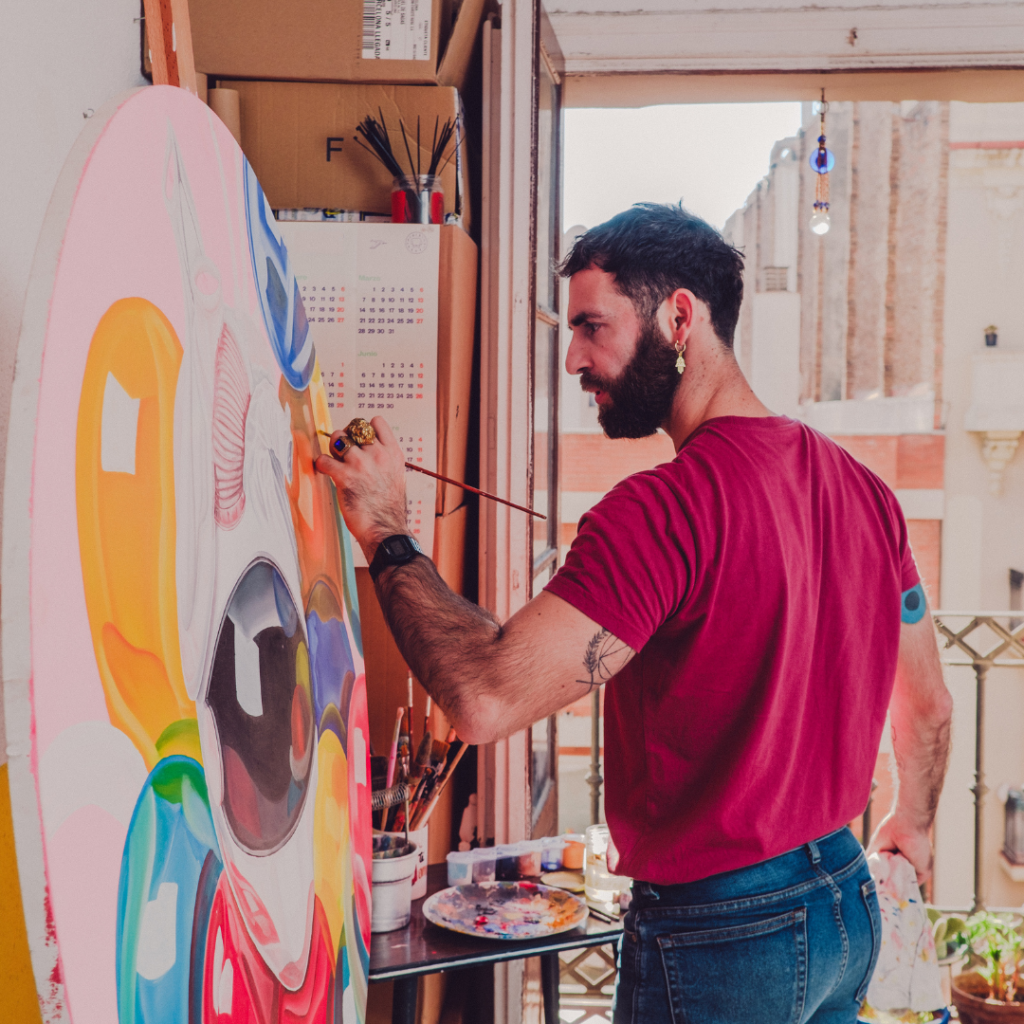
The creative process of designing is a form of storytelling, where every piece reflects African heritage and artistry.
Armando Cabral Listen To The Full Episode Here
Cultural festivals celebrate artistic expression, reinforcing community identity and pride through shared experiences.
Cultural festivals play a crucial role in showcasing the wealth of artistic expression found within communities, offering a platform for diverse voices and traditions to flourish. These events not only entertain but also educate attendees about their heritage, encouraging a sense of belonging and continuity among participants. By bringing together artists, performers, and audiences, festivals create spaces where cultural narratives are shared, celebrated, and preserved, reinforcing the community’s collective identity.
In addition to highlighting artistic achievements, cultural festivals foster pride among community members by showcasing their unique customs, histories, and values. The shared experiences cultivated during these celebrations promote unity and cooperation, allowing individuals to connect through their cultural roots. As attendees engage in collaborative activities, from dance performances to artisan workshops, they collectively reinforce their identity, transforming the festival into a powerful affirmation of their cultural narrative. This communal participation not only enriches the festival experience but also strengthens the social fabric of the community.
Global art movements showcase cultural diversity, highlighting the importance of artistic contributions to identity.
Art movements from various regions of the world have emerged as significant reflections of cultural diversity, each embodying unique historical narratives, societal values, and aesthetic philosophies. These movements not only capture the artistic endeavours and expressions of different communities but also serve as vital instruments for asserting cultural identity and heritage. Through visual art, music, literature, and performance, artists contribute to a broader understanding of their cultural context, allowing their distinct voices to resonate on a global stage. This rich tapestry of artistic innovation underscores the interconnectedness of communities while also celebrating their individual legacies.
Furthermore, the global exchange of ideas and techniques within these art movements enriches the cultural landscape, fostering dialogue and collaboration among diverse groups. By engaging with and appreciating different artistic contributions, individuals can gain insight into the unique experiences that shape one another’s identities. This interaction not only enhances cross-cultural understanding but also reinforces the notion that art is a powerful medium for bridging divides, ultimately affirming the importance of preserving and valuing diverse artistic expressions as integral components of collective identity.
Education in the arts enhances appreciation for cultural identity, encouraging respect for different traditions.
Exposure to the arts, particularly through educational initiatives, plays a crucial role in fostering an appreciation for cultural identities. By integrating diverse artistic expressions into curricula, students are encouraged to explore various traditions, promoting a deeper understanding of the values and histories that shape different communities. This exploration not only cultivates an awareness of the richness inherent in multiple cultural backgrounds but also instills a sense of respect for the traditions that define them. As students engage with art from various cultures, they learn to recognize the significance of these expressions in articulating collective experiences and narratives.
Moreover, educational practices that emphasize the arts create opportunities for dialogue and critical thinking about cultural identity. Activities that involve hands-on experiences, such as workshops or collaborative projects, allow learners to immerse themselves in different artistic forms and techniques, bridging gaps between diverse groups. This engagement fosters empathy and appreciation for the complexities of cultural heritage, empowering individuals to advocate for inclusivity and celebrate the contributions of all communities. In this way, arts education not only enhances personal growth but also promotes a harmonious societal fabric enriched by a multitude of cultural narratives.
In conclusion, the exploration of artistic endeavours reveals their profound influence on cultural identity. Through various forms of expression—be it visual arts, music, literature, or performance—artists play a crucial role in shaping and reflecting the values, beliefs, and narratives of their communities. As this analysis has shown, the interplay between art and cultural identity not only fosters a sense of belonging but also encourages dialogue and understanding across diverse groups. By recognizing and supporting these artistic contributions, society can enhance cultural awareness and appreciation, ultimately leading to a richer, more inclusive understanding of the human experience.