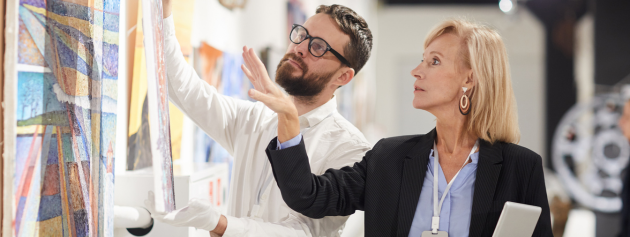
Artistic endeavours play a pivotal role in personal development, serving as vital conduits for self-expression, emotional exploration, and cognitive growth. As individuals engage with various forms of art—be it painting, music, writing, or dance—they often find themselves navigating a transformative journey that enhances their understanding of both themselves and the world around them. This exploration not only fosters creativity but also cultivates critical thinking and problem-solving skills, allowing individuals to approach challenges from diverse perspectives. Furthermore, participation in artistic activities has been linked to improved mental health outcomes, offering an outlet for stress relief and emotional regulation. In a society that increasingly values innovation and adaptability, the ability to think creatively has become more crucial than ever. Therefore, recognizing the significance of artistic pursuits is essential for educators, mental health professionals, and individuals themselves, as they navigate their paths toward holistic personal growth. This article delves into the myriad ways in which artistic endeavours contribute to personal development, illuminating the profound impact that creativity can have on identity formation, emotional intelligence, and social connections. Through this exploration, a deeper appreciation for the arts as a cornerstone of human experience will emerge, highlighting their essential role in fostering well-rounded individuals.
Artistic activities enhance creativity and problem-solving skills in individuals.
Engaging in artistic activities allows individuals to explore new perspectives and think outside conventional boundaries. Whether through painting, music, or dance, participants are encouraged to express their thoughts and emotions freely, fostering an environment where innovative ideas can flourish. This process of exploration not only nurtures creative thinking but also sharpens the ability to approach problems from multiple angles, allowing for more effective solutions. By integrating various elements of art, individuals learn to analyze situations and envision outcomes in ways that traditional methods may not facilitate.
Moreover, artistic pursuits often require experimentation and adaptation, which are essential components of effective problem-solving. As individuals navigate the challenges inherent in creating art—such as overcoming a creative block or mastering a new technique—they develop resilience and flexibility in their thinking. This resilience translates into real-world scenarios, where individuals can tackle complex issues with a renewed sense of confidence and resourcefulness. Thus, the skills cultivated through artistic endeavours extend far beyond the realm of creativity, equipping individuals with the tools to navigate challenges across various aspects of their lives.
Artistic projects often require individuals to work together, fostering an environment where teamwork and communication skills can flourish.
Engaging in art promotes emotional expression and self-discovery.
Art serves as a powerful medium for individuals to articulate their emotions and experiences, often leading to deeper self-understanding. Through various forms of creative expression, such as writing, visual arts, or performance, individuals can confront their feelings in a safe and constructive manner. This creative process acts as a bridge to self-reflection, enabling individuals to examine their thoughts and emotions more closely. By externalizing their inner experiences, they can gain clarity and insights that might otherwise remain hidden, fostering a stronger sense of identity.
In addition to enhancing emotional expression, artistic engagement also facilitates a journey of self-discovery. As individuals experiment with different materials and techniques, they uncover aspects of themselves that may have been previously unrecognized. This journey often leads to increased self-awareness, as individuals confront their fears, desires, and beliefs. The act of creation can reveal personal narratives and themes that resonate deeply, guiding individuals on a path to understanding their unique perspectives and place in the world. Ultimately, the interplay between art and personal exploration enriches one’s emotional landscape and lays the groundwork for personal growth.
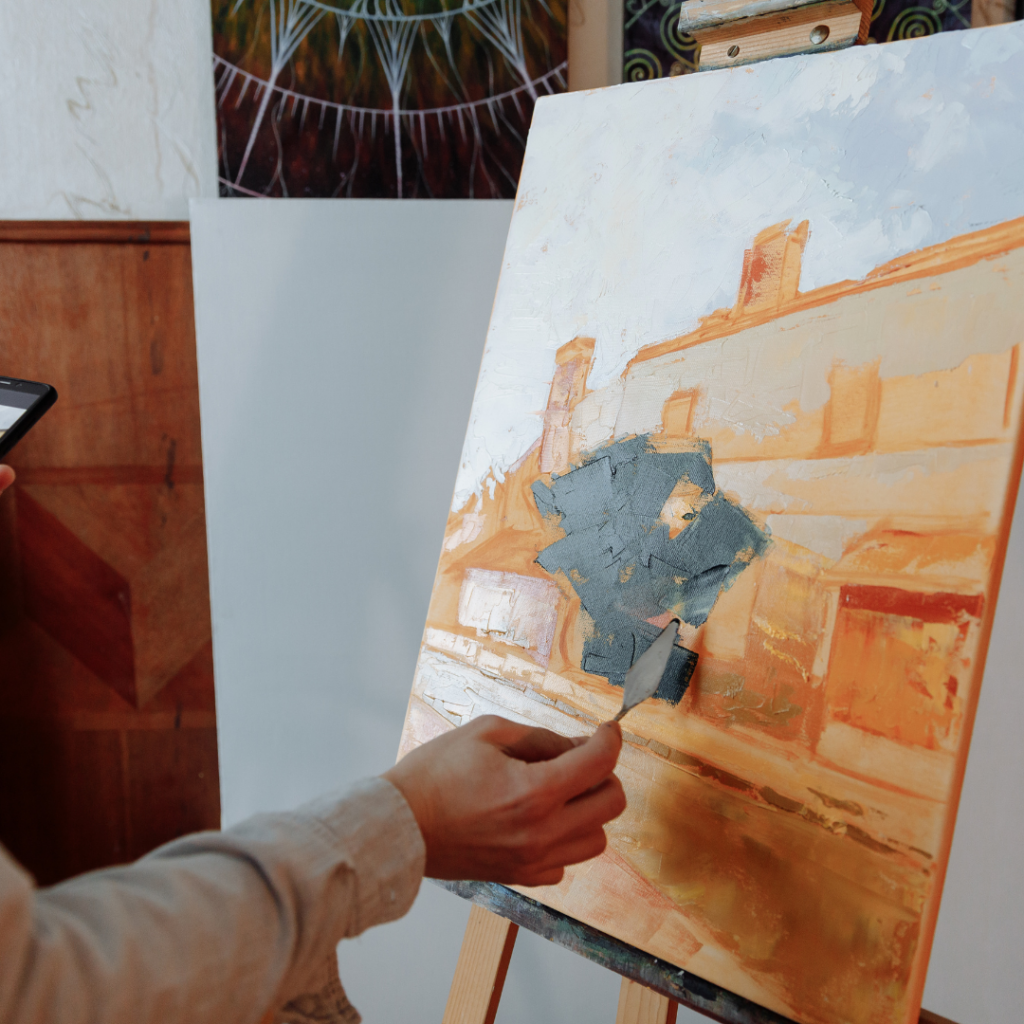
Art fosters resilience by encouraging perseverance through challenges.
Through the process of creating art, individuals are often confronted with obstacles that require problem-solving, adaptability, and a willingness to embrace failure. Each of their artistic endeavours presents unique challenges, whether it is a blank canvas, an unfinished poem, or a complex musical composition. Navigating these hurdles fosters resilience, as artists learn to persist despite setbacks and criticisms. This perseverance not only applies to their creative pursuits but also translates into other areas of their lives, equipping them with the confidence and skills necessary to tackle a variety of personal and professional challenges.
Moreover, the iterative nature of artistic work teaches individuals that progress is often non-linear. Artists frequently revisit and revise their creations, an approach that cultivates a mindset of growth and learning. This understanding reinforces the idea that challenges can lead to improvement and innovation, encouraging individuals to take risks and embrace uncertainty. The tenacity developed through artistic practice empowers individuals to face life’s complexities with greater resilience, proving that the ability to adapt and persist can be a powerful asset in overcoming adversity.
Collaboration in artistic projects builds teamwork and communication abilities.
Artistic projects often require individuals to work together, fostering an environment where teamwork and communication skills can flourish. When artists collaborate, they must articulate their ideas clearly, listen actively to one another, and navigate differing perspectives. This shared creative process not only enhances the final product but also strengthens interpersonal relationships among team members. Through discussions, feedback sessions, and joint decision-making, participants learn to value diverse viewpoints, promoting a deeper understanding of collective creativity.
Furthermore, the collaborative aspect of artistic endeavours encourages individuals to adapt their communication styles to suit different team dynamics. This flexibility is essential, as each member brings unique skills and insights to the table. As they negotiate roles and responsibilities, artists develop a sense of accountability and a shared commitment to the project’s success. The experience of working harmoniously with others not only enriches the artistic outcome but also equips individuals with essential life skills that can be applied in various professional environments. Ultimately, such collaborations serve as a powerful catalyst for personal growth, enhancing both individual capabilities and group cohesion.
Every design decision is rooted in creating something that speaks to the identity of the people who live there
Tara Gbolade Listen To The Full Episode Here
Artistic pursuits contribute to overall mental well-being and personal fulfillment.
Engaging in artistic pursuits can significantly enhance mental well-being and foster a sense of personal fulfillment. The act of creating—whether through painting, writing, or music—serves as a form of self-expression that allows individuals to process emotions, explore thoughts, and communicate experiences. This creative outlet can lead to reduced stress and anxiety, as it encourages mindfulness and provides a therapeutic escape from everyday pressures. Moreover, the satisfaction derived from completing an artistic project can boost self-esteem and instill a sense of accomplishment, reinforcing an individual’s identity and purpose.
Additionally, the personal fulfillment gained from artistic activities extends beyond the individual to influence community connection and social belonging. When individuals share their work, whether through exhibitions, performances, or publications, they invite others into their creative journey. This sharing fosters a sense of validation and appreciation, as audiences resonate with the stories and emotions conveyed through art. As a result, participants in artistic pursuits often report increased feelings of happiness and connectedness, contributing to a more profound sense of overall well-being.
In conclusion, the exploration of artistic endeavours reveals their profound importance in personal development. Engaging in creative activities not only fosters self-expression but also enhances critical thinking and problem-solving skills. As individuals immerse themselves in the arts, they cultivate emotional intelligence and resilience, allowing for a deeper understanding of themselves and others. Moreover, the collaborative nature of many artistic pursuits encourages social connections and community engagement, further enriching personal growth. Ultimately, embracing artistic endeavours can serve as a transformative journey, providing individuals with the tools needed to navigate life’s challenges and discover their unique voices in the world.