Halloween, a celebration marked by costumes, trick-or-treating, and an abundance of spooky lore, has deep historical roots that intertwine with ancient traditions and cultural practices.
The origins of Halloween stories can be traced back to a confluence of Celtic harvest festivals, particularly Samhain, a time when the boundary between the living and the dead was believed to be at its thinnest. As the centuries unfolded, these ancient customs were woven into the fabric of Christianity, giving rise to All Hallows’ Eve, the precursor to modern Halloween.
This article seeks to explore the historical evolution of Halloween narratives, examining how they have transformed over time and across geographies. From the eerie tales shared around the fire in ancient villages to the commercialized ghost stories of today, the narratives surrounding Halloween reflect broader societal fears, cultural exchanges, and the enduring human fascination with the supernatural.
By delving into the rich tapestry of Halloween’s past, we can gain a deeper understanding of how these stories have shaped contemporary celebrations and continue to resonate with audiences around the world. Join us as we uncover the fascinating historical perspectives that inform the Halloween stories we know and love today.
Ancient Celtic Traditions Influencing Halloween Narratives
Celtic traditions, particularly those associated with the festival of Samhain, played a significant role in shaping modern Halloween narratives. Celebrated at the end of October, Samhain marked the transition from the harvest season to winter, a time believed to be fraught with supernatural activity.
During this festival, the Celts performed rituals intended to honor the deceased and ward off malevolent spirits, blurring the lines between the living and the dead. Bonfires were lit, and offerings were made to appease the spirits, reflecting a deep connection to the cycles of nature and the afterlife, themes that resonate in contemporary Halloween customs.
The concept of costumes and disguises also has its roots in these ancient practices. Celts would often wear masks and costumes during Samhain to deceive wandering spirits or to assume the identities of the deceased.
This tradition of disguising oneself to either blend in or scare away supernatural entities evolved into the modern practice of trick-or-treating and costume-wearing during Halloween. As these ancient customs merged with other cultural influences over time, they laid the groundwork for the lively, albeit eerie, celebrations that characterize Halloween today.
In medieval Europe, “souling” became common, where the poor would go door-to-door on All Hallows' Eve, offering prayers for the dead in exchange for food. This practice was later amalgamated with a variety of European traditions brought over by immigrants to North America, where it morphed into the modern custom we recognize today.
The Influence of All Hallows' Eve
Hallow’s eve evolved over time, merging with various cultural influences as Halloween spread across Europe and into America. The introduction of All Hallows’ Eve, designated as the night before All Saints’ Day, further transformed these customs.
This Christian adaptation retained many elements of the original Samhain celebrations while also incorporating new practices, such as the remembrance of saints and the belief in purgatory. The blending of these traditions fostered a unique cultural tapestry, where the themes of mortality, the afterlife, and community remembrance became integral to the festivities.
As Halloween evolved into a more secular holiday, the influence of All Hallows’ Eve persisted, particularly in the emphasis on communal gatherings, festivities, and playful interactions with fear.
The modern ritual of trick-or-treating, a practice that has become synonymous with Halloween, draws from both the ancient customs of offering and the later traditions associated with All Hallows’ Eve.
This interplay of historical influences has allowed Halloween to maintain a connection to its ancestral roots while adapting to contemporary societal norms, resulting in a celebration that continues to intrigue and engage people of all ages.
Folklore's Role in Halloween Tales
Folklore serves as a crucial vessel for transmitting the stories and beliefs that shape Halloween narratives. These tales often draw upon local legends, myths, and superstitions, imbuing the holiday with a rich tapestry of regional variations.
They explore themes such as the supernatural, encounters with spirits, and the boundary between the living and the dead, inviting listeners to engage with the mysterious and the unknown. Through storytelling, communities preserve their unique cultural identities while also fostering a collective sense of caution and curiosity about the darker aspects of life.
In many instances, these folklore traditions manifest in the creation of iconic characters associated with Halloween, such as witches, ghosts, and skeletons. These figures often embody societal fears and moral lessons, reflecting the values and anxieties of their time.
As families share their favorite Halloween tales, they not only entertain but also connect generations, ensuring that the underlying messages and cultural significance of these stories endure. This interplay between folklore and Halloween underscores the importance of storytelling as a means to navigate and understand the complexities of life, death, and the uncanny.
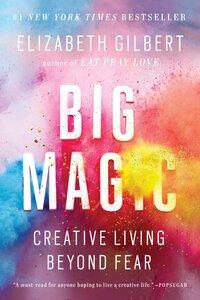
Amazon Book List
Halloween Stories Across Different Cultures
Halloween narratives extend beyond Western traditions, revealing a diverse array of cultural practices worldwide that celebrate similar themes of death, the supernatural, and the harvest season.
In Mexico, for instance, the Day of the Dead (Día de los Muertos) honors deceased loved ones with vibrant altars and festive gatherings, highlighting a unique perspective on mortality that celebrates rather than fears death.
This celebration involves storytelling through the recitation of folk tales and the sharing of memories, allowing communities to maintain a connection with their ancestors while embracing the cycle of life and death.
Similarly, in many Asian cultures, festivals like the Ghost Festival in China pay homage to wandering spirits, with families offering food and burning incense to appease them. These rituals are steeped in folklore that speaks to the respect for ancestors and the belief in the afterlife.
By weaving together these different cultural narratives, we gain insight into how societies grapple with the unknown and the universal human experience of loss, reminding us that while the stories may differ, the emotions they evoke and the lessons they impart resonate across borders.
The Evolution of Trick-or-Treating Customs
The practice of trick-or-treating has undergone significant transformation since its inception, reflecting broader societal changes and the blending of various cultural traditions.
Rooted in ancient Celtic customs, where festivities would often involve disguising oneself to ward off malevolent spirits, the practice evolved over centuries.
In medieval Europe, “souling” became common, where the poor would go door-to-door on All Hallows’ Eve, offering prayers for the dead in exchange for food. This practice was later amalgamated with a variety of European traditions brought over by immigrants to North America, where it morphed into the modern custom we recognize today.
By the mid-20th century, trick-or-treating had become a staple Halloween activity, especially in the United States.
This shift was significantly influenced by the commercialization of Halloween, with the emergence of themed costumes and an array of candies designed specifically for the holiday. Communities began organizing events, providing a safe environment for children to partake in the festivities.
As societal attitudes toward Halloween evolved, so did the practices surrounding trick-or-treating, integrating elements of community building and family participation, thus solidifying its place as a beloved tradition that continues to adapt with each generation.
Gothic Literature's Impact on Halloween
Gothic literature has profoundly shaped the thematic landscape of Halloween, bringing to life the eerie and supernatural elements that define the holiday’s celebration.
Works by authors such as Mary Shelley, Edgar Allan Poe, and Bram Stoker introduced readers to the macabre, intertwining narratives of horror, the uncanny, and the exploration of the human psyche.
Their vivid depictions of haunted settings, tragic heroines, and grotesque figures have permeated popular culture, instilling a fascination with the dark and the mysterious that aligns seamlessly with the Halloween spirit.
As these narratives became entrenched in the collective imagination, they influenced Halloween customs and festivities, fostering a culture that embraces fear and the supernatural. Modern Halloween celebrations often draw upon the archetypes and motifs established by Gothic literature, from haunted houses to costume choices that reflect the genre’s iconic characters.
This literary tradition not only enriches the atmosphere of the holiday but also encourages a playful engagement with themes of mortality and the unknown, ensuring that the essence of Gothic storytelling remains vital in contemporary Halloween festivities.
Check out this podcast!
Modern Media Shaping Halloween Storytelling
Contemporary storytelling around Halloween has been significantly transformed by the advent of modern media, including films, television shows, and digital platforms. Today, streaming services and social media provide an unprecedented array of horror narratives that reach audiences worldwide, allowing for a diverse expression of Halloween themes.
With the ability to instantly share content, users can curate their own experiences, recommending chilling films or sharing spine-tingling tales that resonate with the spirit of the season.
This democratization of storytelling has led to a rich tapestry of voices and interpretations, from independent horror films to viral ghost stories, each contributing to the evolving narrative landscape.
Moreover, the blending of traditional and modern storytelling techniques has revitalized Halloween lore. Interactive experiences, such as escape rooms and immersive theater, allow audiences to engage directly with the story, blurring the lines between spectator and participant.
Augmented reality and virtual reality technologies further enhance this interaction, inviting individuals to confront their fears in novel ways. As a result, Halloween storytelling has become more than just a series of narratives; it has evolved into a multifaceted cultural phenomenon that invites exploration, connection, and even personal reflection on the themes of fear and the unknown.
Halloween Themes in Contemporary Society
The themes associated with Halloween in contemporary society often reflect deeper cultural anxieties and societal shifts.
The rise of horror as a genre speaks to a collective fascination with fear, often serving as a cathartic means of confronting real-life issues such as violence, societal breakdown, and existential dread. Popular media frequently portrays these themes through the lens of supernatural elements, allowing audiences to explore their fears in a controlled environment.
Additionally, the celebration of Halloween has evolved into a time for community bonding, where costumes and festivities foster creativity and social interaction, transforming the holiday into a canvas for personal and cultural expression.
This blending of fear and festivity is further exemplified by the increasing popularity of themed events and seasonal traditions that emphasize inclusivity and participation. Neighborhoods host elaborate decorations and community gatherings, encouraging families to engage in playful interactions that highlight the whimsical aspects of Halloween.
The commercialization of the holiday has also contributed to a diverse range of interpretations, from playful to grotesque, inviting people from various backgrounds to find their unique connection to the season. This multifaceted approach to Halloween allows it to remain relevant, reflecting contemporary values and concerns while providing an annual opportunity for renewal and reflection.
In conclusion, the origins of Halloween stories are deeply rooted in a rich tapestry of history, folklore, and cultural evolution.
From the ancient Celtic festival of Samhain to the modern-day traditions that blend various influences, Halloween has transformed into a celebration that reflects both our fears and our fascination with the supernatural. By understanding the historical context behind these tales, we gain insight into how societal beliefs and practices have shaped our contemporary celebrations.
As we tell spooky stories and embrace the spirit of Halloween, we honor the legacy of those who came before us, reminding ourselves of the power of storytelling in connecting us to our past and enriching our present.