Halloween, a holiday celebrated with a unique blend of festivities, costumes, and supernatural themes, holds a significant cultural presence in various regions around the globe.
While its modern incarnation is largely associated with the United States, the roots of Halloween stretch back through centuries and across continents, intertwining with diverse cultural traditions and folklore. This article delves into the rich tapestry of Halloween stories and their cultural significance, examining how different societies interpret the themes of fear, mythology, and the supernatural.
From the ancient Celtic customs of Samhain, which marked the onset of winter and the thinning of the veil between the living and the dead, to the Mexican Dia de los Muertos, a vibrant celebration honoring deceased loved ones, the stories surrounding this time of year offer profound insights into human beliefs and practices surrounding mortality and the afterlife.
By exploring various Halloween narratives, this article aims to illuminate how these tales reflect societal values, historical contexts, and the enduring human fascination with life, death, and the unknown, ultimately revealing the universal threads that connect diverse cultures through their hauntingly beautiful stories.
Halloween stories reflect diverse traditions.
Various cultures have their own unique narratives and customs that coincide with the themes of Halloween, showcasing a rich tapestry of beliefs and practices surrounding death and the supernatural.
In Mexico, the Day of the Dead offers a vibrant celebration where families honor deceased loved ones with altars, offerings, and colorful festivities. This contrasts with the more somber tones associated with traditional Halloween in the United States, where ghost stories and haunted houses dominate.
Similarly, in Ireland, which is often considered the birthplace of Halloween, ancient Celtic traditions such as Samhain are intertwined with folklore featuring spirits and the transition between the worlds of the living and the dead.
These narratives not only serve to entertain but also reflect deeper societal values and historical contexts. From the playful tricks and treats of children in Western celebrations to the solemn remembrance seen in Asian customs like the Hungry Ghost Festival, these stories illustrate the diverse ways in which cultures approach themes of mortality and the afterlife.
By examining these varied traditions, one can appreciate how Halloween stories contribute to a broader understanding of human experience and the universal quest to make sense of life, death, and the mysteries that lie beyond.
Narratives passed down through oral traditions serve not only to entertain but also to impart essential knowledge about cultural practices, moral lessons, and historical events.
Folklore shapes cultural Halloween celebrations.
Ghost festivals in various cultures illustrate how folklore influences local Halloween celebrations, imbuing them with unique meanings and practices. In regions where the belief in spirits is strong, such as parts of Asia, festivals often feature rituals aimed at appeasing restless souls.
For instance, the Hungry Ghost Festival in China emphasizes the importance of honoring ancestors and making offerings to ensure peace for the departed. Similar practices can be observed in other cultures, where folklore dictates specific customs that invite or repel spirits, shaping the way communities engage with themes of mortality and the afterlife during Halloween.
Moreover, tales of legendary figures and mythical creatures play a pivotal role in defining the character of Halloween festivities across the globe. In many cultures, stories of witches, goblins, and other supernatural beings not only entertain but also serve as cautionary tales, reinforcing moral lessons or cultural norms.
Such folklore enhances the celebratory atmosphere, allowing communities to connect with their heritage while expressing their fears, hopes, and values. As a result, Halloween becomes more than just a night of fright; it transforms into a meaningful occasion for reflection, remembrance, and communal bonding, rooted in the rich traditions passed down through generations.
Ghost stories vary by region.
Ghost stories are deeply influenced by the cultural and historical context of specific regions, often reflecting the fears, values, and beliefs of the communities that tell them.
In some Western cultures, for instance, ghost narratives frequently revolve around vengeful spirits seeking justice or closure, mirroring societal concerns about unresolved issues and emotional turmoil. These stories often take place in haunted houses or historic sites, emphasizing a connection to the past and the idea that unresolved conflicts linger beyond death.
In contrast, many Indigenous cultures weave ghost stories into their broader spiritual beliefs, portraying spirits as integral to the natural world and the cycle of life and death. These narratives often serve to teach respect for the environment and the interconnectedness of all beings.
Across regions, the supernatural elements in ghost stories can vary significantly, with influences from local mythology and history shaping the narrative.
In Latin America, for example, tales of La Llorona, the weeping woman, encapsulate themes of loss and maternal grief, illustrating how personal tragedies are entwined with community memory. Similarly, in Japan, the story of the Yurei highlights the importance of proper funerary rites and the consequences of neglecting familial duties.
Such regional variations in ghost stories not only entertain but also provide insight into the cultural psyche, offering a lens through which to understand the values, traditions, and collective anxieties of different societies.

Check out this episode!
Symbolism connects Halloween to harvest.
The symbolism of Halloween as a celebration of the harvest is deeply rooted in ancient agricultural traditions. Originally, this festival marked the end of the harvest season, a time when communities came together to give thanks for the abundance of crops gathered and to prepare for the winter months ahead.
This connection is evident in many Halloween customs, such as the use of pumpkins and other gourds, which have their origins in the agricultural practices of early societies. Carving pumpkins into jack-o’-lanterns can be seen as a way to honor the bounty of the harvest while also warding off negative spirits, merging the themes of gratitude and protection.
These harvest themes are intertwined with the spiritual aspects of Halloween, as the time of year coincides with the thinning veil between the living and the dead, according to ancient beliefs.
Many cultures viewed this period as an opportunity to honor ancestors and deceased loved ones, reinforcing the idea that death is a natural part of the cycle of life, much like the seasonal transitions within agriculture. Thus, Halloween embodies a duality that reflects both the celebration of abundance and the acknowledgment of mortality, emphasizing the interconnectedness of life, death, and the rhythms of nature.
Myths influence modern Halloween practices.
Myths and folklore play a significant role in shaping modern Halloween practices, echoing ancient narratives that have been passed down through generations. Stories of spirits, witches, and creatures from various cultures have infused contemporary celebrations with elements of enchantment and fear.
For instance, the character of the witch, often depicted as a figure similar to those found in European folklore, embodies the clash between the mundane and the magical.
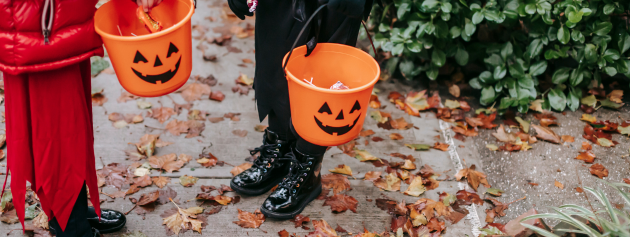
This archetype, combined with tales of supernatural happenings, has influenced not only costumes but also traditions such as trick-or-treating, where children embody these mythic figures while seeking sweets—a practice rooted in both ancient rituals and storytelling.
Additionally, the prevalence of ghost stories during Halloween highlights the ongoing fascination with the afterlife and the unknown. These narratives, which often serve to entertain while conveying moral lessons or historical warnings, have become integral to Halloween celebrations.
The act of sharing such tales around bonfires or at parties fosters a communal experience that ties participants to a collective heritage. In this way, the myths surrounding Halloween not only enrich the festivities but also preserve cultural identities, inviting individuals to engage with the past while celebrating in the present.

Check out this podcast!
Halloween tales promote community bonding.
A good tale has the power to unite individuals within a community through shared experiences and collective memories. Local storytelling events, whether they take place around campfires or in urban festivals, create spaces where people can gather to recount their favorite tales of hauntings or encounters with the supernatural.
Such gatherings foster a sense of belonging, as participants not only listen to stories but also contribute their own, deepening the connections among neighbors and friends.
Moreover, the tradition of sharing Halloween tales encourages intergenerational bonding, allowing older generations to impart their cultural heritage to younger audiences. Children are often captivated by the eerie and imaginative aspects of these stories, which can spark their creativity and instill a sense of wonder.
As families recount their own adaptations of classic tales or invent new narratives inspired by local legends, they create a shared tapestry of experiences that strengthens community ties while preserving the essence of Halloween as a time of connection, reflection, and celebration.
Festivals showcase unique cultural narratives.
Each festival serves as a canvas that highlights the distinct cultural narratives inherent to a specific place, reflecting the values, beliefs, and historical contexts of its people. Through rituals, costumes, and performances, participants convey the stories that shape their collective identity.
For instance, Halloween celebrations in different cultures may incorporate local folklore, resulting in variations that not only entertain but also educate attendees about their heritage and the societal influences that define them.
These events often serve as a reminder of the diversity that exists within human experiences, allowing individuals to appreciate different perspectives. By engaging with narratives that are celebrated during festivals, communities gain insights into the unique customs and traditions of others, fostering mutual respect and understanding.
In this way, Halloween becomes more than just a night of costumes and candy; it transforms into a platform for storytelling, where each participant contributes to a larger understanding of their cultural legacy and the universal themes of fear, courage, and the unknown that transcend borders.
Storytelling preserves heritage and beliefs.
Through the ages, storytelling has played a vital role in preserving heritage and beliefs, acting as a bridge between generations. Narratives passed down through oral traditions serve not only to entertain but also to impart essential knowledge about cultural practices, moral lessons, and historical events.
In many societies, these stories encompass the values and customs that define a community’s identity, ensuring that younger generations remain connected to their roots. Whether through tales of ancient spirits or recounts of community heroes, these stories encapsulate the essence of what a culture holds sacred, allowing individuals to navigate their place within a larger historical narrative.
Moreover, the act of sharing these stories reinforces communal ties, fostering a sense of belonging among participants. As families and friends gather to partake in storytelling sessions, they weave together personal and collective histories, enriching the fabric of their cultural identity.
This dynamic exchange not only nurtures a deeper understanding of one’s heritage but also inspires reflection on contemporary beliefs and practices. In this manner, storytelling transcends mere entertainment; it becomes an essential tool for cultural preservation, enabling communities to honor their past while shaping their future.
In conclusion, the exploration of Halloween stories across various cultures reveals a rich tapestry of traditions, beliefs, and values that transcend geographic boundaries. These narratives not only reflect the fears and hopes of different societies but also serve as a means of preserving history and fostering community bonds.
By examining the diverse ways in which Halloween is celebrated—from the vibrant festivities in Mexico’s Día de los Muertos to the eerie tales told in European folklore—one can appreciate the universal themes of mortality, remembrance, and transformation that resonate within these stories.
Ultimately, understanding the cultural significance of Halloween narratives encourages a deeper appreciation for global diversity and the shared human experience, enriching the way individuals engage with this hauntingly festive time of year.