In an increasingly interconnected world, the celebration of diversity has emerged as a crucial aspect of fostering understanding and appreciation among various cultures. “Celebrating Diversity: Exploring Unique Global Traditions Around the World” delves into the rich tapestry of customs and practices that define communities across the globe. Each tradition, steeped in history and cultural significance, serves as a testament to the unique identities and values held by different societies. From the vibrant festivals of color in India’s Holi to the solemnity of Japan’s Obon, these traditions not only highlight the distinctive characteristics of their respective cultures but also promote a sense of belonging and unity among individuals. By examining these diverse practices, the article aims to illuminate the ways in which traditions can transcend geographical boundaries, fostering connections that enrich the global community. Through thoughtful exploration of various rituals, celebrations, and communal gatherings, readers will gain insight into the profound significance these traditions hold, as well as the universal themes of love, remembrance, and gratitude that resonate across cultures. This journey into the world’s unique traditions underscores the importance of embracing diversity as a pathway toward greater empathy and cooperation in an ever-evolving global landscape.
Understanding the Importance of Diversity in Celebrations
Diversity in celebrations serves as a reflection of the rich tapestry of cultures, beliefs, and histories that shape societies. When communities come together to honor their unique traditions, they not only preserve their heritage but also foster mutual respect and understanding among different groups. This amalgamation of practices encourages individuals to engage with one another, promoting empathy and reducing prejudices. By recognizing and participating in a variety of celebrations, individuals can learn about the values and customs that define other cultures, ultimately enriching their own perspectives and experiences.
Moreover, inclusive celebrations can strengthen social cohesion by bridging gaps between different communities. When people partake in each other’s festivities, they create opportunities for dialogue and interaction that might not otherwise occur. This exchange can lead to the emergence of new traditions that incorporate elements from various cultures, further enhancing the sense of community and belonging. As societies become increasingly interconnected, the importance of embracing diversity in celebrations becomes even more apparent, paving the way for a more harmonious coexistence among diverse populations.
Recipes passed down through generations encapsulate lessons learned and experiences shared, often reflecting the geographical and agricultural realities of a region. Ingredients, preparation methods, and dining rituals can reveal much about resource availability, climate, and social structures.
Unique Festivals Reflecting Cultural Heritage Worldwide
Festivals around the globe serve as vibrant manifestations of cultural heritage, each uniquely reflective of local traditions, histories, and values. Events like Diwali in India, which signifies the triumph of light over darkness, showcase intricate rituals, colorful decorations, and communal feasting that embody the spirit of togetherness and renewal. Similarly, the Chinese New Year, rich with symbolism and age-old customs, invites families to honor their ancestors while celebrating new beginnings. Such festivals not only preserve the storytelling and rituals passed down through generations but also provide a stage for younger generations to engage actively with their cultural identities and communal legacies.
In addition, the local variations of global festivals highlight the adaptability and resilience of cultural practices in response to contemporary challenges. The Brazilian Carnival, characterized by its lively parades and samba music, has evolved over the years, incorporating elements from various cultural influences while remaining a pillar of Brazilian identity. This dynamic nature of festivals underscores the importance of cultural heritage in shaping social narratives and fostering a sense of belonging. By experiencing these rich traditions, individuals gain insights into the complexities of human experience, paving the way for a deeper appreciation of the world’s diverse cultural mosaics.
Traditional Customs Promoting Community and Togetherness
Many traditional customs are deeply embedded in the social fabric of communities, fostering a sense of belonging and mutual support among individuals. Events such as potlucks or communal gatherings allow neighbors to share their culinary traditions and foster connections, reinforcing social bonds and encouraging collective participation. In various cultures, rituals surrounding rites of passage—such as weddings, births, and coming-of-age ceremonies—serve not only to celebrate individual milestones but also to unite families and friends in shared joy and communal responsibility. These customs offer a framework for social interaction, emphasizing the importance of collaboration and mutual respect within the community.
Additionally, traditional practices often emphasize the significance of storytelling, where community members gather to share tales of their ancestors or local history. This oral tradition not only preserves cultural narratives but also strengthens intergenerational bonds, allowing younger members to learn from the experiences of their elders. By participating in these shared activities, individuals reinforce their sense of identity and belonging, illustrating how customs can act as a catalyst for community cohesion. Together, these traditions provide essential touchpoints that celebrate shared identities while promoting understanding and empathy among diverse community members.

Check Out Our Podcast!
Food as a Reflection of Tradition
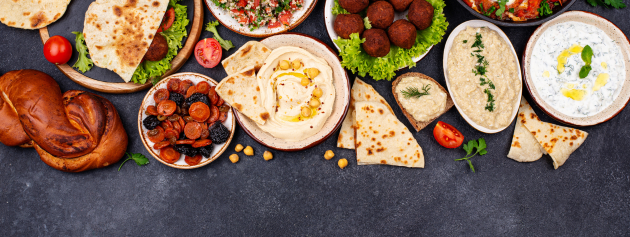
Culinary practices serve as a vital expression of cultural identity, showcasing the unique history and values of a community. Recipes passed down through generations encapsulate lessons learned and experiences shared, often reflecting the geographical and agricultural realities of a region. Ingredients, preparation methods, and dining rituals can reveal much about resource availability, climate, and social structures. For instance, the use of specific spices or cooking techniques can highlight historical trade routes and cultural exchanges, illustrating how foodways adapt and evolve while remaining tethered to their origins.
Moreover, food often plays a pivotal role in significant cultural events and celebrations, embodying the essence of tradition. Festive dishes, prepared for special occasions, are laden with symbolism, representing prosperity, fertility, or remembrance. Through the act of gathering around a shared meal, communities not only honor their heritage but also create opportunities for intergenerational connection and cultural continuity. This intertwining of food and tradition fosters a sense of pride and identity, allowing individuals to understand their place within a broader historical narrative, while also inviting others to partake in the richness of their cultural experiences.
Music and Dance Celebrating Global Cultures
Music and dance serve as powerful vehicles for expressing cultural identity, often encapsulating the histories, struggles, and triumphs of diverse communities. Various musical styles and dance forms reflect the social, political, and spiritual narratives that shape the lives of people around the world. For example, the rhythmic patterns of African drumming not only entertain but also convey messages, celebrate communal bonds, and recount the histories of ancestors. Similarly, traditional dance forms, such as the Indian Bharatanatyam or the Brazilian Samba, incorporate intricate movements and storytelling techniques that illustrate the cultural and spiritual values unique to their origins.
The interplay between music and dance also fosters a sense of belonging and continuity within communities. Festivals and gatherings often feature performances that unite individuals through shared heritage, allowing participants to engage with their cultural roots actively. These events highlight the communal aspect of artistic expression, reinforcing social ties and encouraging intergenerational exchange of knowledge. In this way, music and dance become integral to cultural preservation, offering a dynamic means for individuals to connect with their past while inviting others to participate in and appreciate the rich tapestry of global traditions.
In conclusion, the exploration of unique global traditions underscores the importance of celebrating diversity in all its forms. By examining the rich tapestry of cultural practices, customs, and celebrations from around the world, one gains a deeper understanding of the values and histories that shape different communities. These traditions not only highlight the creativity and resilience of various cultures but also foster a sense of connection and respect among individuals from diverse backgrounds. As the world becomes increasingly interconnected, embracing these differences can lead to greater empathy and collaboration, enriching the human experience for everyone. Ultimately, the celebration of diversity through global traditions serves as a reminder that while cultures may vary, the shared joy of human expression unites us all.